
Iron + Vitamin C: For Energy and Vitality
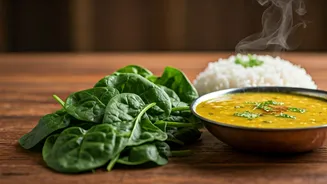
If you’ve ever felt sluggish, you know how important iron is for energy. But not all iron is created equal. The iron found in plants (non-heme iron), like spinach, lentils, and beans, is harder for our bodies to absorb than the iron in meat. This is where
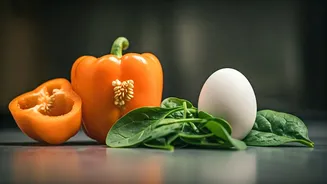
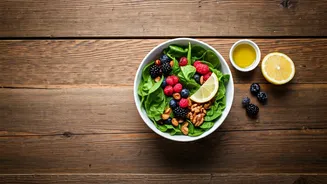
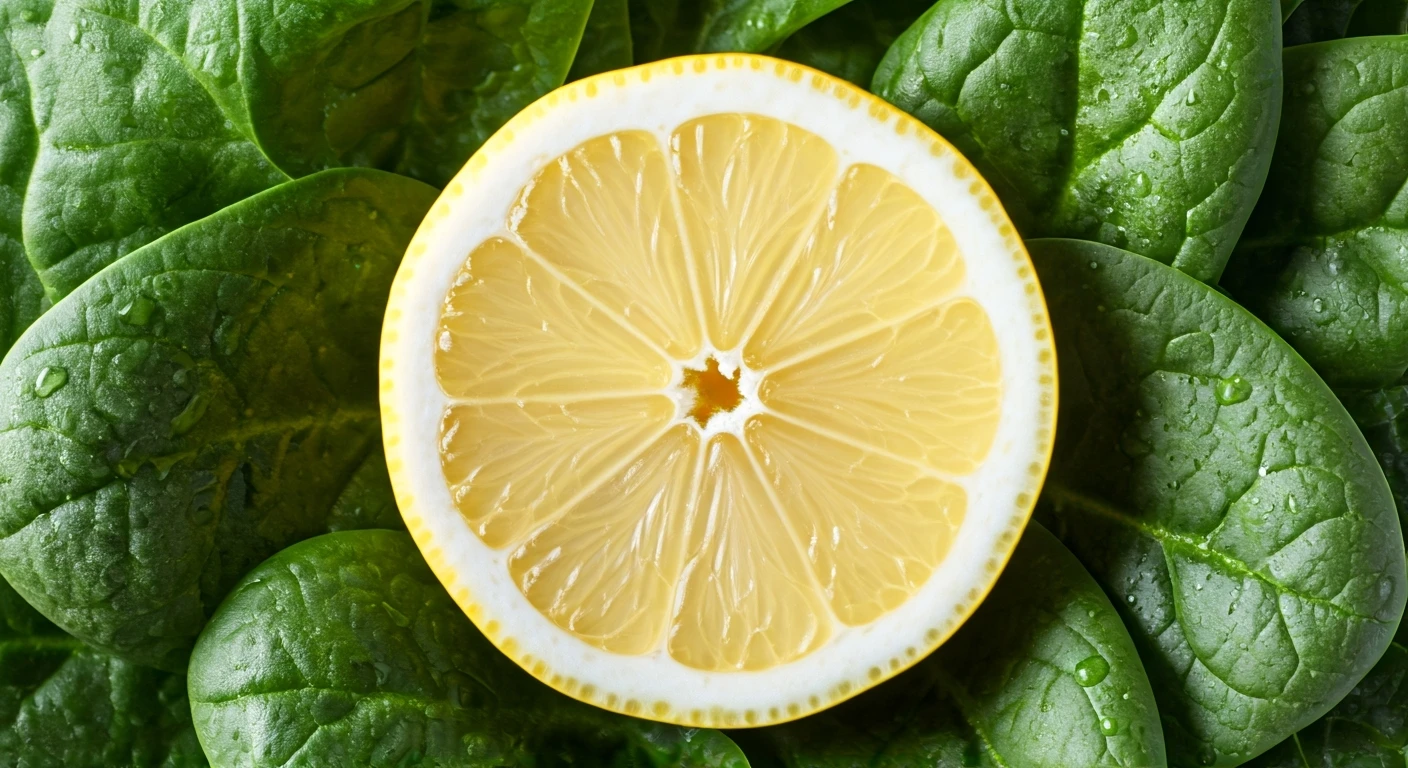
Vitamin C comes in to play the hero. Research consistently shows that Vitamin C dramatically increases the absorption of non-heme iron, converting it into a form that's more readily available to your body. Think of it as giving your system a special key to unlock the energy stored in your plant-based foods. It’s one of the most effective and well-documented food pairings you can make. *How to do it:* Squeeze fresh lemon juice over a spinach or kale salad. Add bell peppers (which are packed with Vitamin C) to your bean chili. Toss some strawberries into your oatmeal with a sprinkle of iron-fortified seeds. Or simply enjoy a small glass of orange juice with your lentil soup.
Tomatoes + Olive Oil: A Powerful Antioxidant Boost
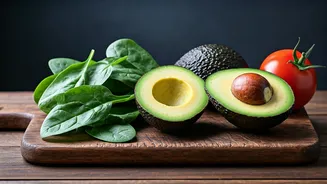
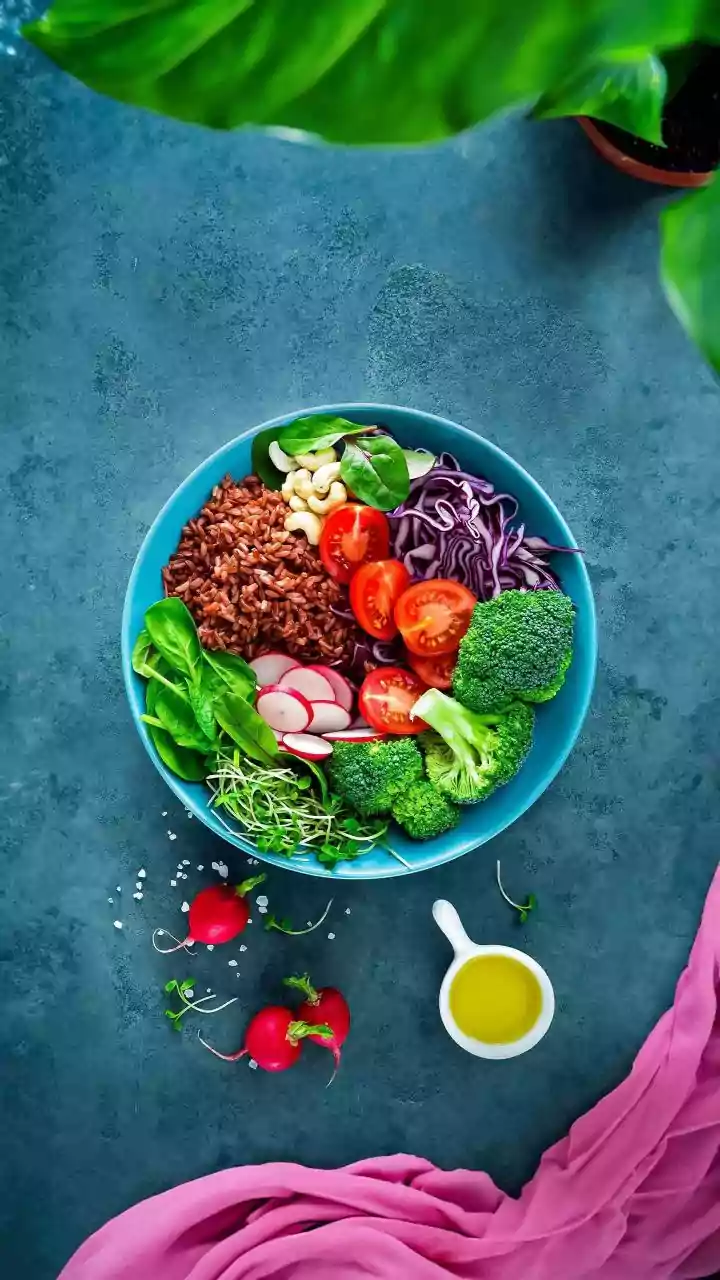
Tomatoes are famous for lycopene, a powerful antioxidant linked to reduced risk of certain cancers and improved heart health. But here’s the catch: lycopene is fat-soluble. That means your body needs fat to absorb it effectively. Eating a plain, raw tomato gives you some benefits, but pairing it with a healthy fat like olive oil supercharges its potential. The act of cooking the tomatoes also helps; heat breaks down the plant’s cell walls, making the lycopene even more accessible. This is why a simple tomato sauce made with good olive oil is a nutritional powerhouse. *How to do it:* The classic Italian bruschetta is a perfect example. Drizzle olive oil over sliced tomatoes on toast. Make a caprese salad with fresh mozzarella, tomatoes, basil, and a generous pour of extra virgin olive oil. When you make pasta sauce, be sure to sauté your tomatoes in olive oil at the start.
Turmeric + Black Pepper: The Anti-Inflammatory Duo
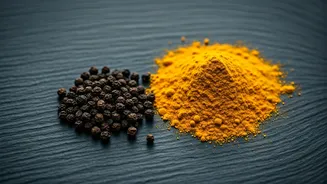
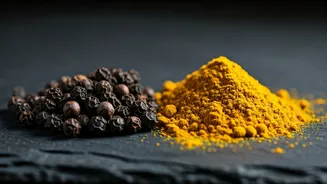
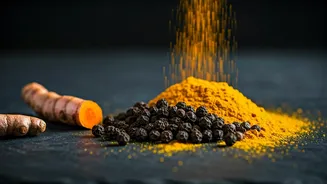
Turmeric has become a wellness superstar, thanks to its active compound, curcumin, which has potent anti-inflammatory and antioxidant properties. The problem? Curcumin is notoriously difficult for the body to absorb on its own. In fact, most of it gets metabolized before it can do its job. Enter black pepper. A compound in black pepper called piperine can increase curcumin absorption by a staggering 2,000%, according to some studies. This simple spice rack combination turns turmeric from a mild-mannered ingredient into a truly functional food. *How to do it:* This one is easy. Whenever you cook with turmeric, whether in a curry, a soup, a scramble, or a golden milk latte, just add a few generous grinds of black pepper. The two flavors are naturally complementary, so it's an effortless win for both your palate and your body.
Calcium + Vitamin D: The Classic Bone-Building Team
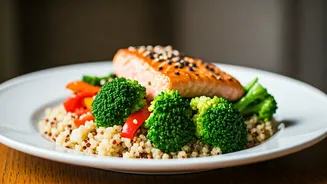
You already know that calcium is essential for strong bones and teeth. But your body can't put that calcium to good use without its partner, Vitamin D. Vitamin D acts like a traffic cop, directing calcium out of your digestive system and into your bloodstream, where it can be transported to your skeleton. Without enough Vitamin D, you could be consuming plenty of calcium, but it won't reach its final, critical destination. While sunlight is our primary source of Vitamin D, pairing calcium-rich foods with D-rich foods ensures your body has all the tools it needs for bone health. *How to do it:* Enjoy fatty fish like salmon or mackerel (rich in Vitamin D) alongside leafy greens like kale or bok choy (rich in calcium). Look for Vitamin D-fortified dairy or plant-milks and use them with calcium-rich foods like tofu, yogurt, or cheese. An omelet made with eggs (the yolks contain Vitamin D) and cheese is another simple way to nail this pairing.
Beans + Whole Grains: The Complete Protein Power-Up
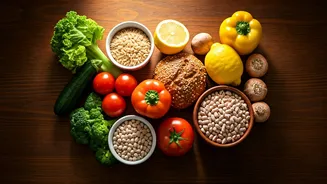
For those who follow a plant-based diet, or anyone looking to eat less meat, creating 'complete proteins' is key. Proteins are made of amino acids, and while animal products contain all nine essential amino acids, most plants are missing one or two. However, when you combine certain plant foods, they fill in each other's gaps. Legumes like beans, lentils, and chickpeas are typically low in the amino acid methionine, while whole grains like rice, quinoa, and wheat are often low in lysine. Eaten together, they form a complete protein that’s just as effective as one from an animal source. *How to do it:* This combination is a staple in cultures around the world for a reason. Think rice and beans, a whole-wheat pita with hummus, lentil soup with a side of whole-grain bread, or a peanut butter sandwich on whole-wheat toast. You don't even have to eat them in the exact same meal—as long as you eat them over the course of the same day, your body can put the pieces together.