




The High Cost of Perfection
Our obsession with flawless-looking produce comes at a staggering price. According to estimates from organizations like ReFED, a nonprofit dedicated to ending food waste, billions of pounds of perfectly edible fruits and vegetables are discarded or left
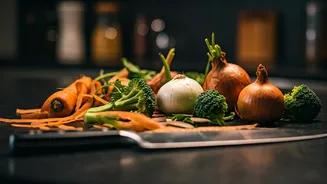
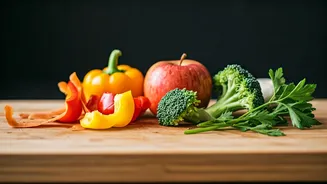
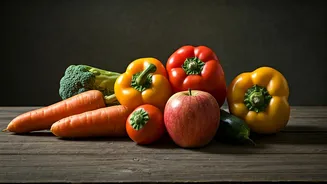
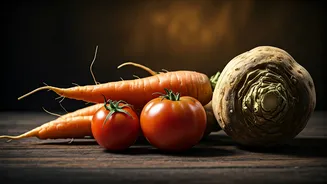
to rot in fields each year simply because they don't meet strict cosmetic standards. A carrot with a second leg, a tomato with a sun scar, or a cucumber that’s a little too curvy have historically been deemed unsellable. This isn't a case of food being spoiled or unsafe; it’s a purely aesthetic judgment that contributes significantly to the 30-40% of the U.S. food supply that goes uneaten. This system not only wastes food but also the water, labor, and land used to grow it, creating a cascade of environmental and economic inefficiencies. For farmers, it’s a constant source of frustration, forcing them to discard a portion of their harvest for reasons that have nothing to do with quality or taste.
Chefs Leading the Culinary Rebellion
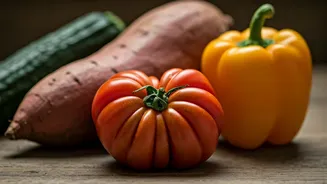
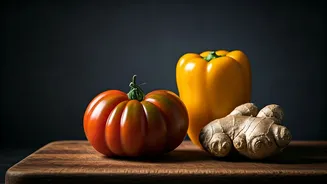
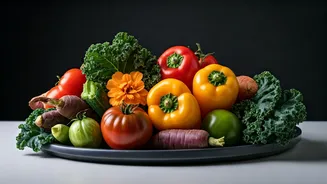
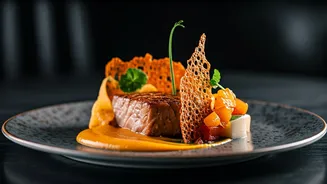
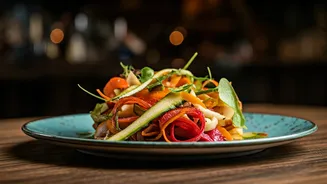
The frontline of this change is in the restaurant kitchen, where creative chefs are actively seeking out these so-called “ugly” vegetables. For them, it’s not an act of charity; it’s a culinary opportunity. Forward-thinking chefs see a gnarled heirloom tomato or a batch of knobby potatoes not as defects, but as ingredients with character and, often, more concentrated flavor. By building relationships directly with farmers, they can purchase produce that would otherwise be rejected by large distributors. This philosophy, once confined to the most elite farm-to-table establishments, is now becoming more mainstream. Menus are proudly featuring dishes made with “misfit” produce, turning what was once a source of agricultural shame into a badge of honor. By doing so, they are not just reducing waste; they are re-educating diners’ palates and eyes, proving that the most delicious food doesn’t always come in the prettiest package.
Flavor Over Form
The secret that chefs have unlocked is that imperfect produce can often be superior in taste. A smaller, slightly misshapen strawberry might have had to struggle more on the vine, concentrating its sugars and resulting in a burst of flavor that its larger, picture-perfect cousin lacks. Carrots that have been forced to grow around a rock may develop a more complex, earthy sweetness. These variations are a direct reflection of the natural, unpredictable process of farming. Industrial agriculture, which prioritizes uniformity and durability for shipping, can sometimes breed the flavor out of produce in favor of shelf stability and cosmetic appeal. By embracing fruits and vegetables in all their natural diversity, chefs and home cooks are rediscovering a depth of flavor that has been sidelined for far too long. This movement reframes the conversation from “saving” ugly produce to seeking it out for its superior culinary qualities.
From Niche Trend to Your Front Door
What started in high-end kitchens is now a full-fledged consumer movement. The rise of subscription services like Misfits Market and Imperfect Foods has been a game-changer, bringing cosmetically challenged produce directly to consumers’ homes at a discount. These companies have successfully built a business model around rescuing this food from the waste stream and marketing it as a smart, sustainable, and affordable choice. This direct-to-consumer approach has normalized the idea that lumpy potatoes and undersized avocados are perfectly good. It empowers home cooks to participate in the solution, saving money and reducing their environmental footprint with each delivery. As more people experience the quality of this produce firsthand, the stigma surrounding imperfection continues to erode, creating a powerful market signal that farmers, distributors, and grocery chains can no longer ignore.