
Beyond the Butter Chicken
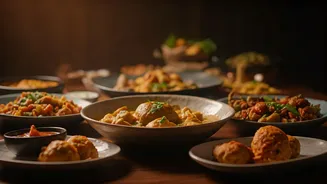
When you think of an Indian restaurant in the U.S., a certain picture comes to mind: velvety sauces, decadent paneer, and tender morsels of chicken swimming in a rich, tomato-based gravy. Dishes like chicken tikka masala, saag paneer, and malai kofta
have long been the beloved ambassadors of Indian cuisine. They are delicious, comforting, and undeniably satisfying. But they are also a very narrow, Anglicized slice of what India—a subcontinent with dozens of distinct regional cuisines—actually eats. This North Indian, Punjabi-influenced menu became the standard for a reason. It was palatable, rich, and catered perfectly to Western tastes accustomed to meat-centric dishes with heavy sauces. It was the perfect introduction. For many diners, however, the introduction never graduated to the main course. The perception of Indian food became locked into this single, albeit tasty, style: heavy, indulgent, and reserved for special occasions rather than everyday eating.
The Simplicity of Home Cooking
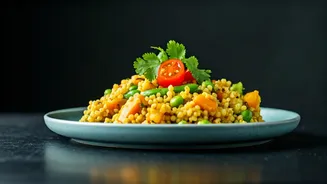
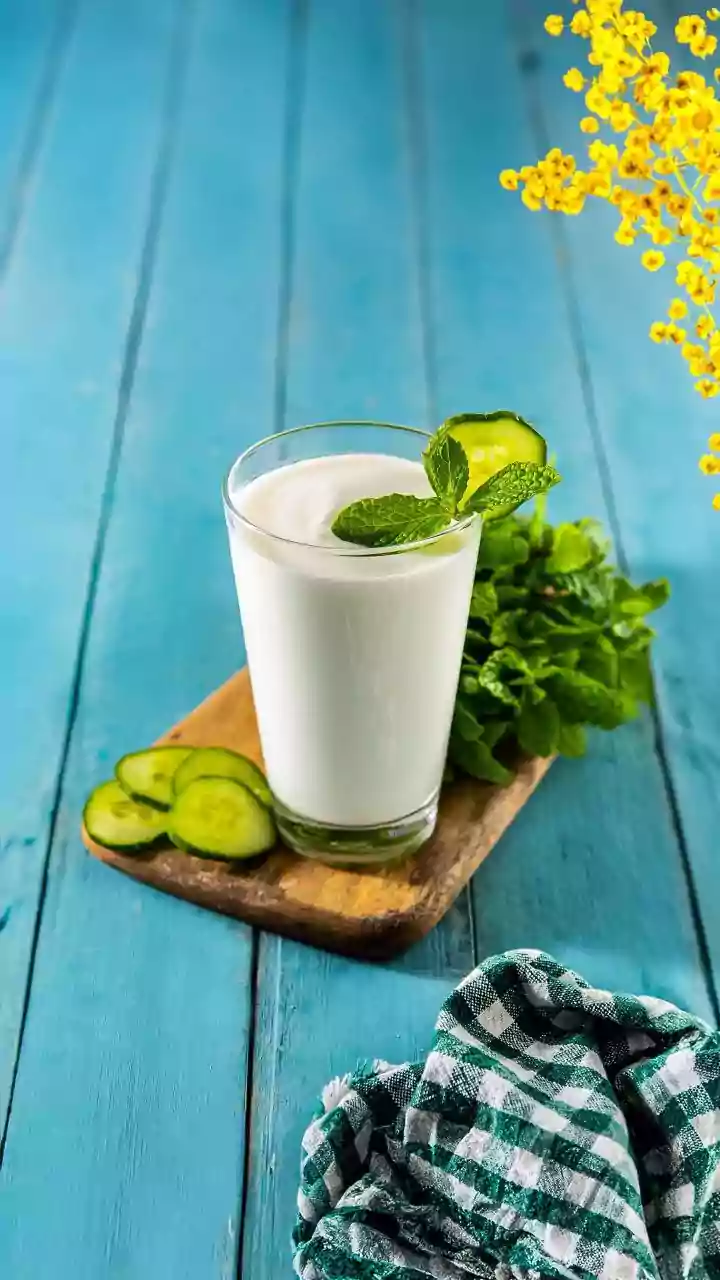
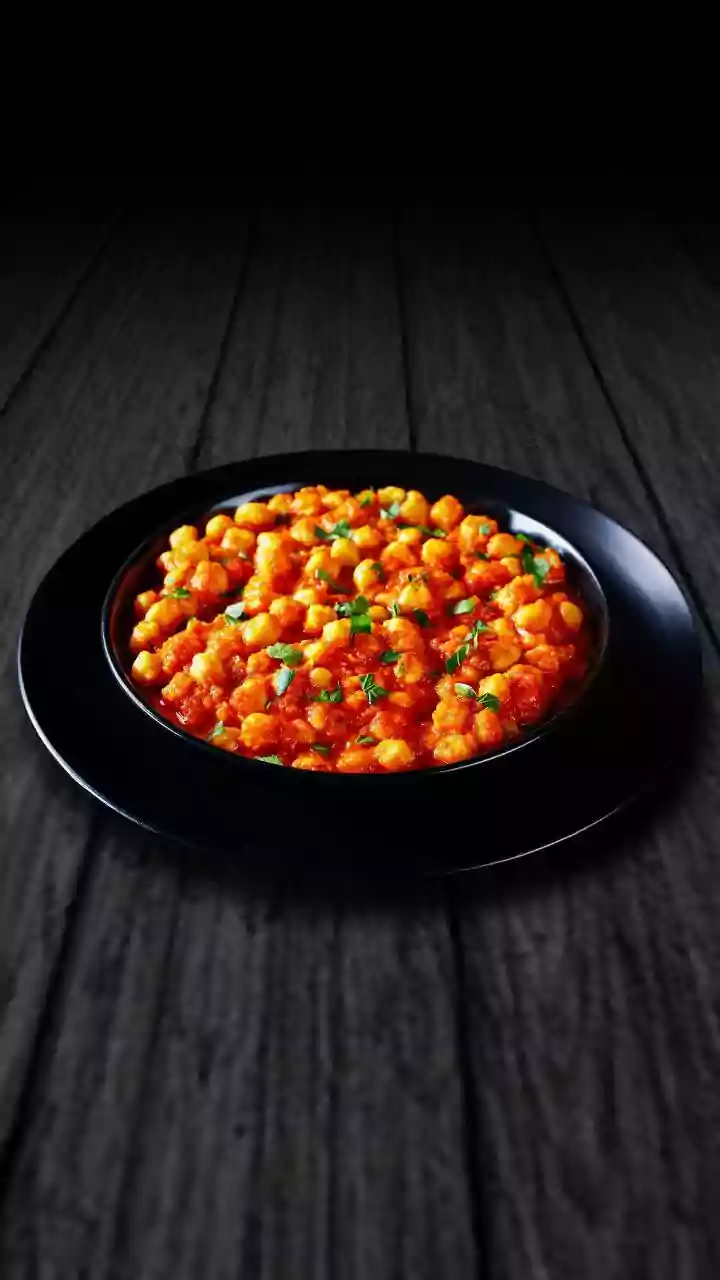
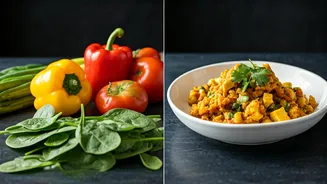
The “back to basics” movement is a direct response to that perception. It’s a shift toward what is known in Hindi as *ghar ka khana*, or “home food.” This style is lighter, more vegetable-forward, and deeply rooted in seasonality and regionality. It’s the food Indians eat day-to-day, and it looks very different from the typical restaurant buffet. Instead of heavy cream, home cooking often relies on yogurt, coconut, or simply water to create gravies. Spices are used to subtly enhance, not overwhelm, the primary ingredients. The star of the show is often a simple lentil stew (dal), a seasonal vegetable dish (sabzi), and whole wheat flatbreads (roti) or rice. Dishes like khichdi—a humble, comforting porridge of rice and lentils—are becoming symbols of this movement. Once considered plain sick-day food, it’s now celebrated on progressive menus for its nourishing simplicity and hailed as a one-pot powerhouse of nutrition.
A Return to Ancient Grains
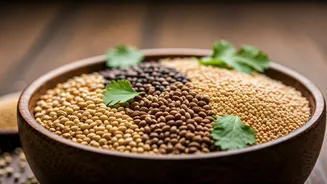
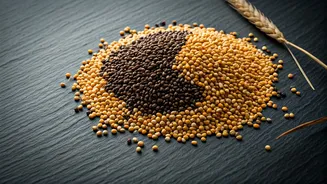
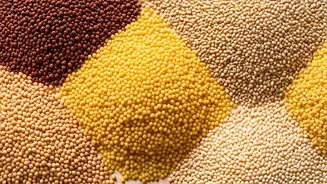
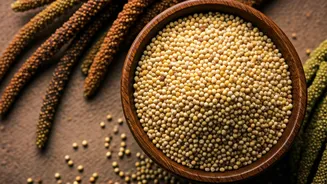
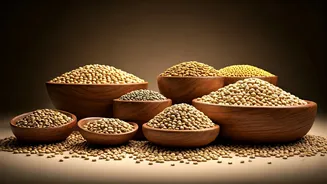
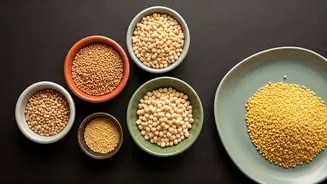
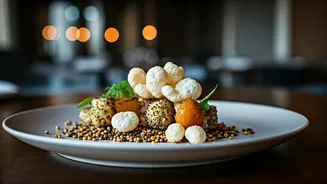
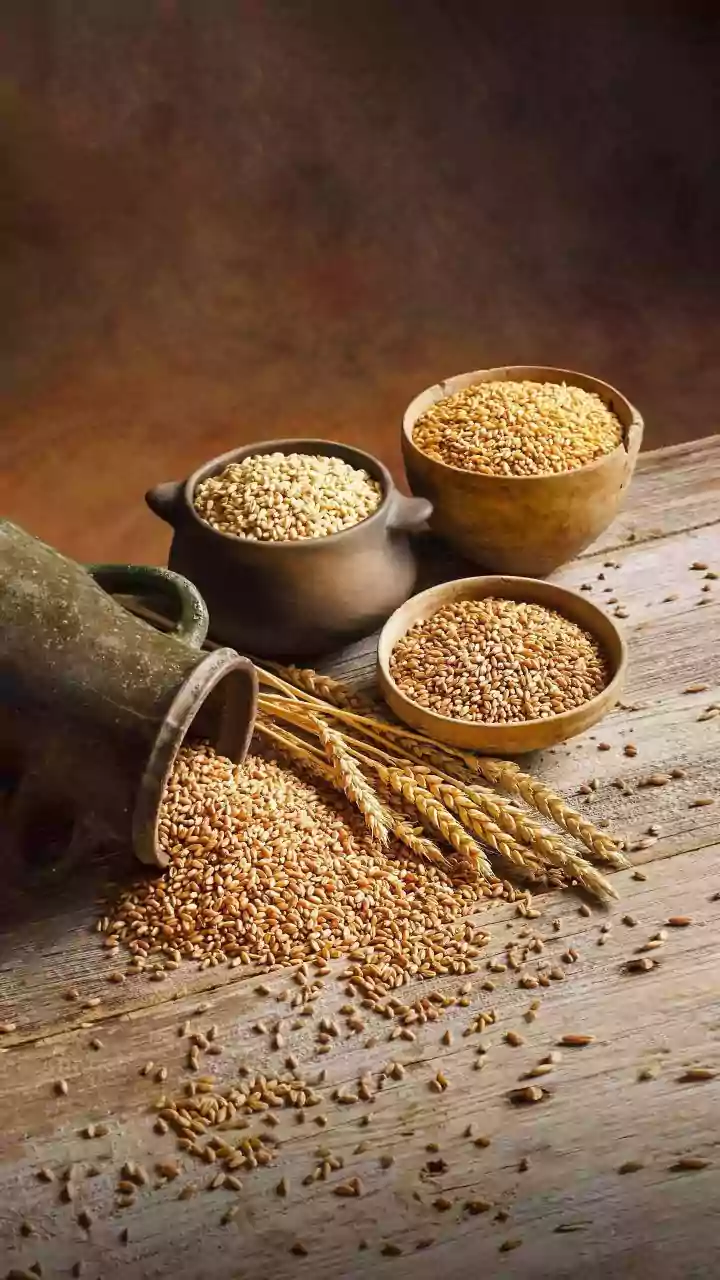
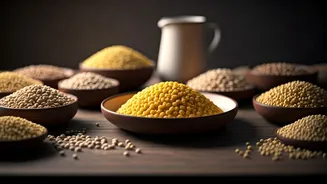
A key pillar of this back-to-basics trend is the rediscovery of ancient grains. For years, fluffy white basmati rice and refined-flour naan bread have dominated the Indian table in America. Now, chefs and health-conscious eaters are championing millets, a group of hardy, nutrient-dense grains that have been a staple in India for millennia. Varieties like sorghum (jowar), pearl millet (bajra), and finger millet (ragi) are naturally gluten-free, high in fiber, and have a lower glycemic index than white rice. Their resurgence was even supported by the United Nations, which declared 2023 the International Year of Millets to promote their health benefits and climate resilience. In modern Indian-American kitchens, these grains are appearing in everything from porridges and pilafs to flatbreads, replacing their more processed counterparts and offering a taste of a more rustic, agrarian past.
Why Now? Health and Authenticity
So why is this shift happening now? It’s a convergence of two powerful cultural currents. First, the global wellness movement has diners everywhere scrutinizing what they eat. People are actively seeking out meals that are less processed, lower in fat, and plant-forward. The principles of traditional Indian home cooking—with its emphasis on vegetables, lentils, and mindful spice use—fit perfectly into this modern ideal of healthy living. Second, there’s a growing demand for authenticity. This is driven by a new generation of Indian-American chefs who are eager to showcase the food of their specific heritage, moving beyond the generic “Indian” label. They are introducing Americans to the coastal seafood curries of Goa, the fermented batters of the South, and the delicate vegetarian thalis of Gujarat. At the same time, diners have become more adventurous, eager to explore the world through their plates. They no longer want just the introduction; they want the real story.