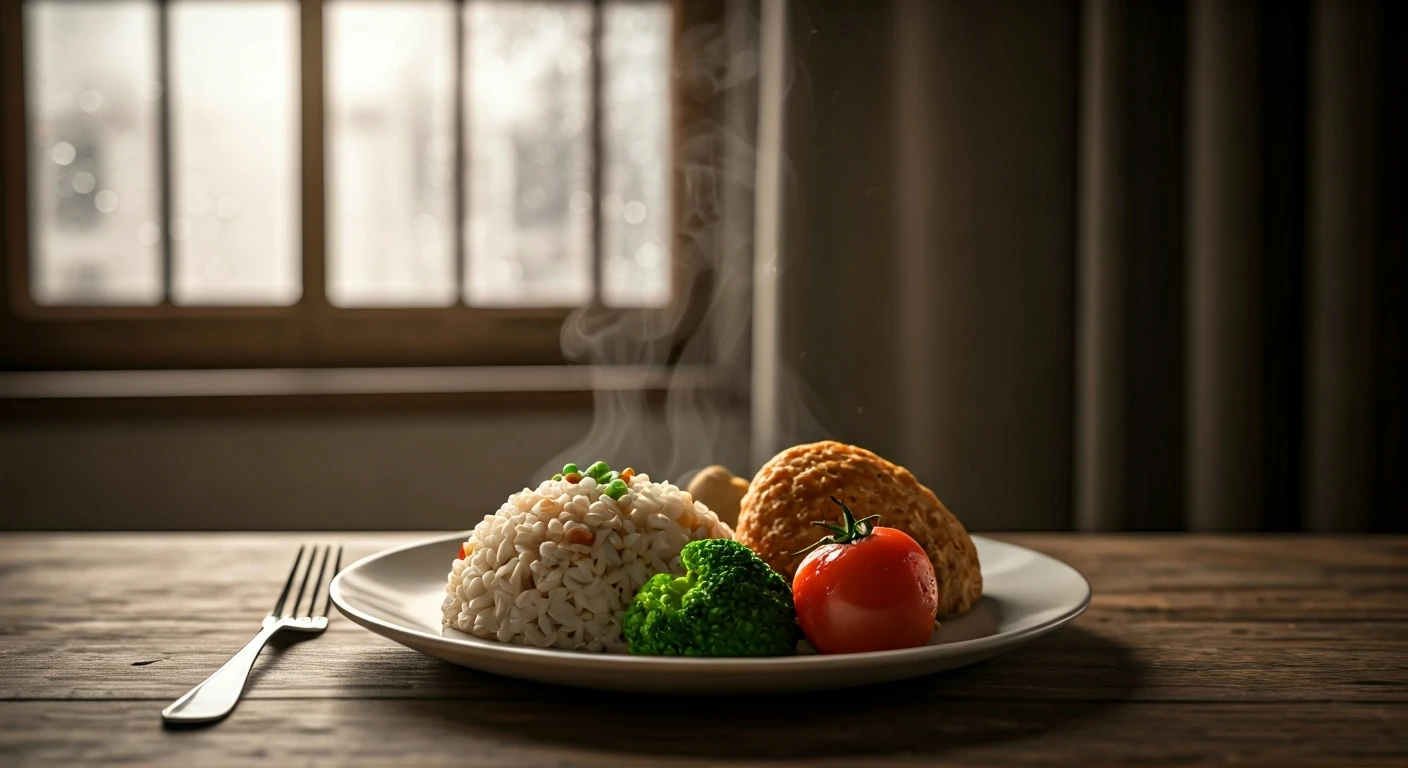







An Ancient Approach to Rainy Days
The conversation starts with Ayurveda, the traditional system of medicine from India that’s been practiced for thousands of years. A core tenet of Ayurveda is the idea of 'Ritucharya,' or living in tune with the seasons. The belief is that our bodies,
like the world around us, change with the weather. During the monsoon season ('Varsha Ritu' in Sanskrit), the environment is cool, damp, and humid. According to Ayurvedic principles, this change weakens our 'agni,' or digestive fire. Think of it like trying to keep a campfire lit in the drizzling rain—it takes more effort and doesn't burn as brightly. This weakened digestive state is believed to make us more susceptible to issues like bloating, indigestion, and lowered immunity. The entire philosophy is built on a simple premise: to stay healthy, you should adapt your diet and lifestyle to support your body's needs as the seasons shift.
Why Warm and Cooked Is King
This is where warm food enters the picture. If your digestive fire is already struggling against the dampness of the season, the last thing you want to do is throw cold, heavy fuel on it. Ayurveda suggests opting for foods that are warm, light, and easy to digest. Cooking food essentially 'pre-digests' it, breaking down fibers and complex nutrients so your body doesn't have to work as hard. Warm soups, steamed vegetables, brothy stews, and well-cooked grains are considered ideal. Spices like ginger, turmeric, black pepper, and cumin are also heavily featured. Not only do they add warmth and flavor, but they are believed to help stoke that digestive fire, improving metabolism and helping the body process food more efficiently. The goal isn't just to eat; it's to nourish the body in a way that conserves energy and bolsters your internal systems when the external environment is challenging.
The Case Against Salads and Smoothies
If warm food is the hero, then cold, raw, and heavy foods are the villains of the monsoon diet. This can feel counterintuitive to a Western wellness mindset, where a big raw salad or a green smoothie is often seen as the peak of health. But from an Ayurvedic perspective, these foods are difficult to digest. Raw vegetables require a strong digestive fire to break down, and during a damp season, they can lead to gas and bloating. Similarly, cold drinks, iced foods, and even certain dairy products like yogurt are seen as heavy and channel-clogging, contributing to that sluggish, lethargic feeling many of us get on gray, rainy days. It’s not that these foods are inherently 'bad,' but that they are ill-suited for the body's state during this particular season. The focus shifts from what is universally healthy to what is healthy for you, right now.
Bringing Monsoon Wisdom Home
You don't need to live in Mumbai to apply these principles. The 'monsoon' mindset is relevant for any transitional season where the weather turns cool and damp—think of the shift from late summer to autumn or the drizzly, unpredictable days of spring. It's about paying closer attention to how your body feels. On a cold, rainy day, do you genuinely crave an iced latte and a raw kale salad, or does a bowl of soup and a cup of ginger tea sound more appealing? You can start with simple swaps. Try a bowl of oatmeal instead of a cold smoothie for breakfast. Opt for a hearty lentil soup or a vegetable curry for lunch instead of a sandwich. Choose roasted or steamed vegetables over a raw salad at dinner. It's less of a strict diet and more of an intuitive approach to eating that encourages you to listen to your body and give it the warm, comforting support it naturally craves when the weather turns.