




From Boring Bran to Gut-Health Glamour
Let’s be honest: fiber’s old reputation was terrible. It was associated with digestive regularity and joyless health foods your grandparents ate. But the fiber comeback isn't about cardboard-tasting cereals. It’s about a radical rebranding driven by science.
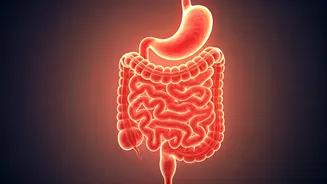
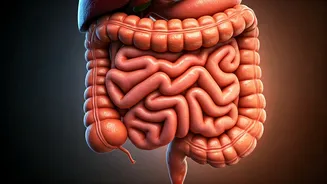
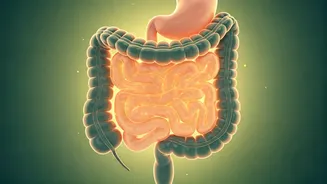
The hero of this new story is the gut microbiome—the trillions of bacteria living in your digestive tract. Scientists have discovered that these microbes are crucial for everything from immunity and mood to metabolism. And what do they eat? Fiber. Specifically, soluble fiber acts as a prebiotic, feeding the good bacteria and helping them thrive. This shift in understanding has turned fiber from a simple 'bulking agent' into the preferred fuel for a healthy internal ecosystem. Suddenly, eating fiber isn't just about avoiding constipation; it's about actively cultivating a flourishing garden inside you.
The Social Media Effect
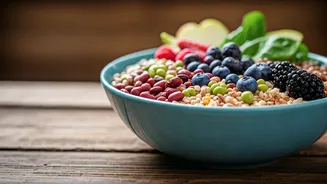
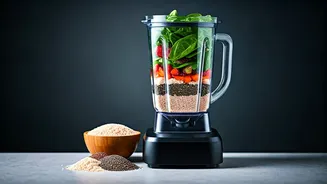
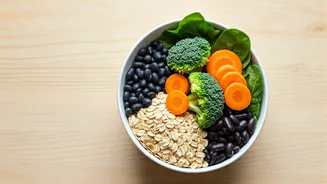
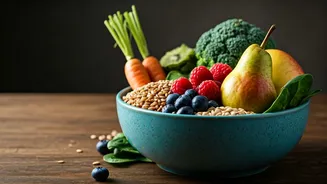
Science laid the groundwork, but social media lit the fire. Platforms like TikTok and Instagram have become massive engines for food trends, and 'gut health' is one of their biggest stars. Under hashtags like #GutTok, you’ll find millions of videos of influencers and everyday users showcasing colorful, fiber-packed meals. They’re whipping up 'internal shower' drinks with chia seeds, building beautiful 'probiotic bowls' loaded with fermented foods and high-fiber veggies, and sharing personal stories of how improving their gut health transformed their skin and energy levels. This visual, personal, and easily shareable content has made the benefits of fiber feel immediate and aspirational, not a dry recommendation from a doctor’s office. It has successfully translated complex science into a compelling and attractive lifestyle choice.
A Backlash to Low-Carb Culture
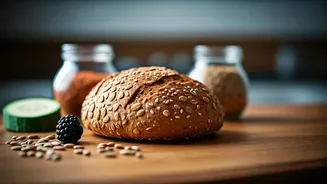
For much of the 2010s, carbohydrates were the public enemy. Diets like keto and paleo, which severely restrict or eliminate grains, legumes, and certain fruits, dominated the wellness conversation. While effective for some, these restrictive approaches left many people feeling deprived and concerned about missing key nutrients. Fiber’s resurgence is, in part, a gentle rebellion against that carb-phobic culture. People are rediscovering the satisfaction and health benefits of whole foods that were once demonized. Eating a bowl of oatmeal with berries, a hearty lentil soup, or a sandwich on whole-grain bread is no longer seen as a dietary sin but as a smart, nourishing choice. This represents a broader shift toward a more balanced, less dogmatic approach to eating—one that prioritizes inclusion and nourishment over restriction and elimination.
Beyond the Gut: The Full-Body Benefits
While gut health is the new, exciting part of the story, fiber’s classic benefits haven't gone anywhere. They just have a better publicist now. A diet rich in fiber is one of the most well-researched ways to support long-term health. It’s strongly linked to a lower risk of heart disease, stroke, type 2 diabetes, and certain types of cancer. It helps manage blood sugar by slowing down the absorption of sugar, preventing sharp spikes and crashes. And because it’s so filling, fiber is an incredible tool for weight management, helping you feel satisfied on fewer calories. This combination of new science and old, proven wisdom makes fiber a uniquely powerful nutrient. It’s not just a passing fad; it’s a foundational element of good health that we are finally learning to appreciate properly.
How to Actually Get More Fiber
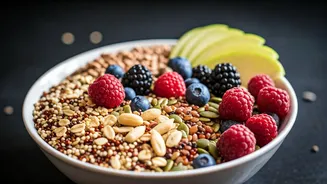
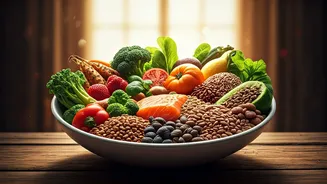
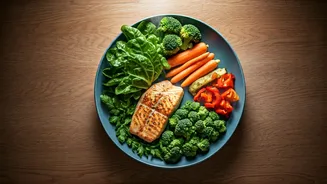
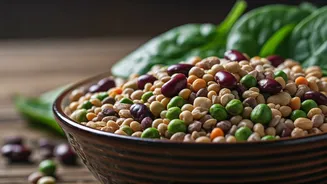
The great news is that embracing this trend doesn't require a special diet or expensive supplements. It’s about making simple, delicious swaps. Start by aiming for whole foods. Instead of white bread, try whole wheat or sourdough. Swap sugary cereal for oatmeal topped with berries and nuts. Add a can of rinsed beans or lentils to your favorite soup or salad. Snack on an apple (with the skin on), a handful of almonds, or some baby carrots with hummus. The key is to add fiber gradually to give your system time to adjust, and be sure to drink plenty of water, as fiber needs it to do its job effectively. It's not about perfection, but progress.