


Beyond the Generic Diet Chart
For decades, health advice in India often felt generic. A doctor might hand you a photocopied diet chart with the same list of approved foods: dal, chapati, a side of vegetables. It was sensible, but hardly inspiring or tailored to an individual’s unique
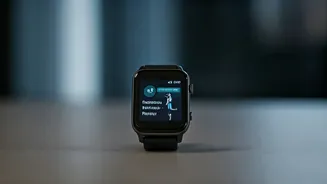
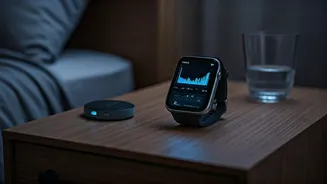
lifestyle, genetics, or even taste preferences. That model is being rapidly disrupted by a generation that grew up with smartphones and expects personalization in every aspect of their lives, from streaming recommendations to their daily meals. This shift represents a major cultural and commercial pivot. Young urban Indians are increasingly health-conscious, but they're also armed with disposable income and a demand for solutions that fit their modern reality. They aren't just looking to lose weight; they're aiming for holistic wellness—managing stress, improving athletic performance, and preventing lifestyle diseases. The old, generalized approach simply doesn’t cut it for a consumer who can track their sleep on a smartwatch and order gourmet ingredients with a tap.
The Rise of the 'Health-Tech' Coach
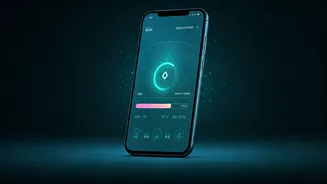
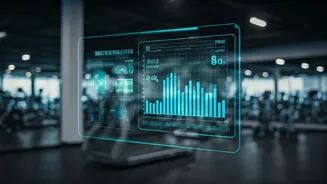
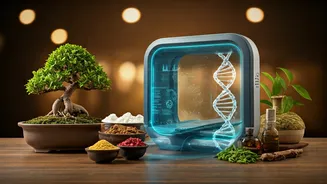
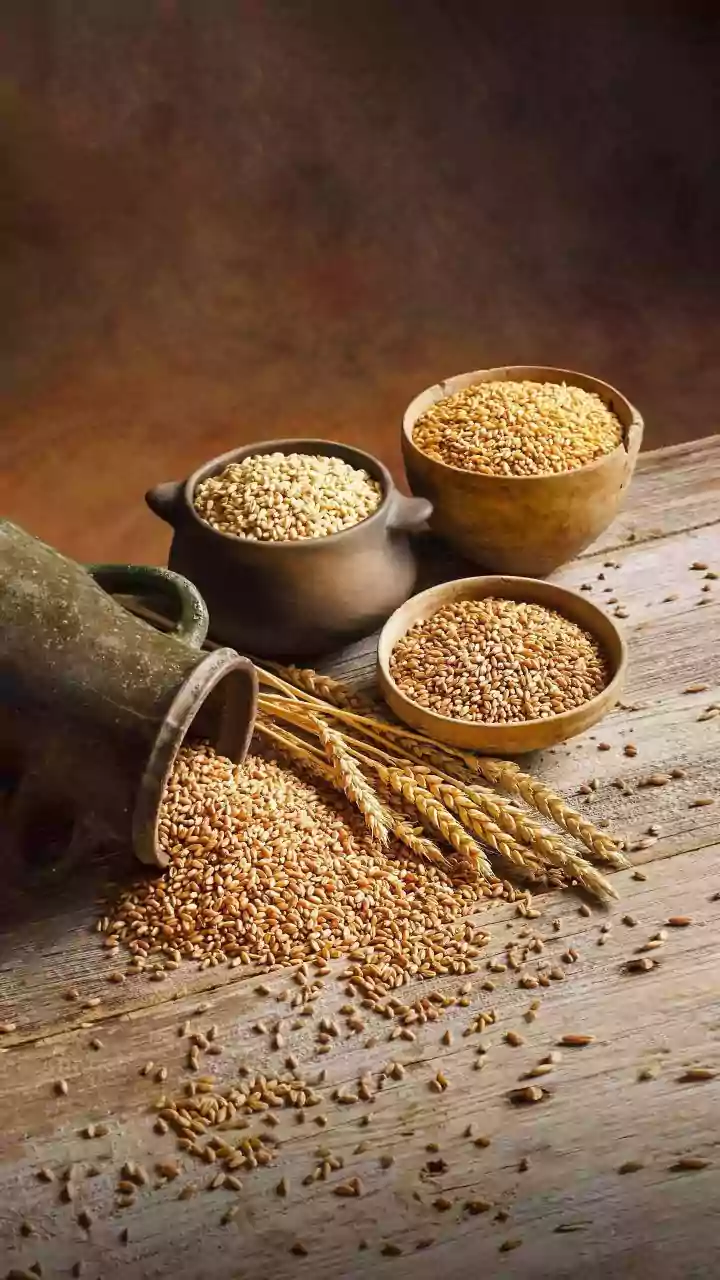
Stepping into this gap is a wave of sophisticated 'health-tech' startups. Companies like HealthifyMe, Possible, and Fittr have become household names among millions of young Indians. These platforms are far more than simple calorie counters. They offer a powerful blend of artificial intelligence and human expertise, creating a uniquely personalized experience. A typical user journey involves logging meals by simply taking a photo, which an AI then analyzes for nutritional content. The app tracks calories, macronutrients, and micronutrients, providing real-time feedback. But the secret sauce is often the human touch. For a monthly fee, users get access to certified nutritionists and fitness coaches who provide guidance, accountability, and customized plans via chat. These coaches understand the nuances of India's incredibly diverse cuisine, offering advice on how to make a healthier butter chicken or which regional millet is best for their goals. It's the personalization of a high-end dietitian, delivered at scale and an accessible price point through technology.
A Post-Pandemic Awakening
While this trend was building for years, the COVID-19 pandemic acted as a massive accelerant. With a new, urgent focus on immunity and overall health, millions of Indians turned to digital tools for guidance. The confluence of nationwide lockdowns, widespread smartphone adoption, and some of the world's cheapest data plans created a perfect storm for the growth of at-home digital wellness. This wasn't just a fleeting interest. The pandemic fundamentally shifted attitudes toward health from being a reactive concern to a proactive priority. For young professionals juggling demanding jobs and sedentary urban lifestyles, these apps provided a structured, data-driven way to regain control over their well-being. It became less about aesthetics and more about building resilience, a powerful motivator that has sustained the industry's growth long after the lockdowns ended.
Silicon Valley Model, Desi Flavor
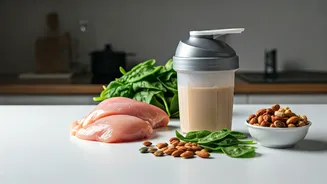
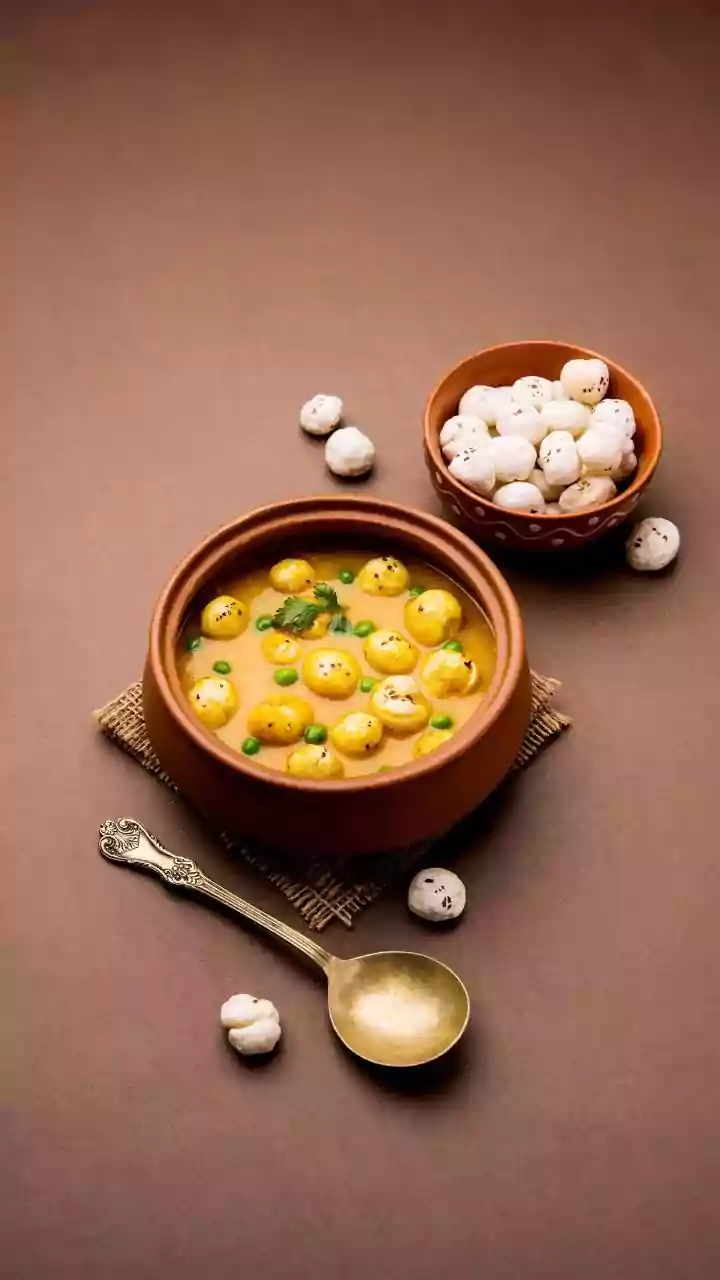
What makes this trend particularly compelling is that it’s not just a copy-paste of Western wellness apps. Success in India requires deep cultural and culinary fluency. An app that doesn't recognize 'poha' or 'idli' is dead on arrival. The most successful platforms have built massive databases of Indian foods, including hyper-regional dishes and popular restaurant items. Their AI can tell the difference between a Hyderabadi biryani and a Lucknowi one. This localization is key to their success. The advice is practical and fits into the existing food culture rather than demanding a complete overhaul with foreign ingredients like kale and quinoa. The coaches understand festivals, family gatherings, and the challenges of sticking to a diet in a food-centric society. By building a product that is authentically Indian, these companies have created something far more sticky and effective than a generic Silicon Valley import, proving that the future of global tech is often local.