




From Conquest to Connection
For decades, the ethos of American hiking has been intertwined with conquest. We sought to climb the highest peaks, complete the longest thru-hikes, and push our physical limits. It was about accomplishment, a battle against elevation and endurance. But
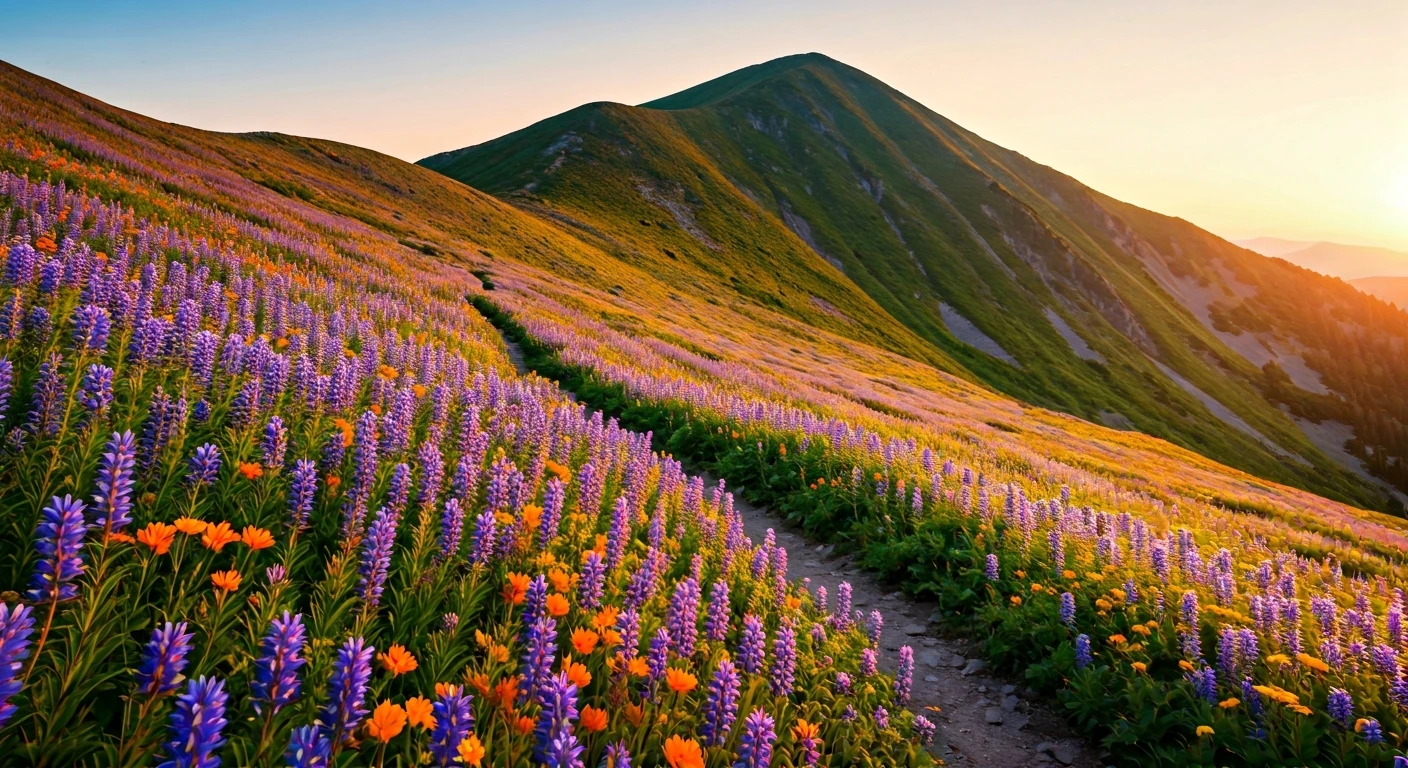
a subtle and beautiful shift is underway. Travelers are increasingly seeking experiences that are less about conquering nature and more about connecting with it. Instead of a singular, dramatic destination—the summit—flower trails offer a rolling, immersive reward. The journey *is* the destination. This mindset swap resonates in a post-pandemic world where many are re-evaluating their priorities, finding profound joy not in grand achievements, but in fleeting, beautiful moments. A field of lupine that wasn't there last week and won't be there next week feels more precious than a granite peak that has stood for millennia. It’s a move from a static postcard view to a living, breathing landscape.
The Instagram Effect, But Not How You Think
It’s easy to blame social media for the rise of any photogenic trend, and wildflower ‘superblooms’ are certainly catnip for the algorithm. But the relationship is more nuanced than simple vanity. While the desire for a stunning photo of oneself in a sea of poppies is a powerful motivator, it’s also driving awareness. People who might never have considered a trip to the desert are suddenly planning vacations around the Anza-Borrego bloom cycle. More importantly, the ephemeral nature of these floral displays creates a sense of urgency and community. Hashtags and location tags become real-time field guides, with hikers sharing tips on what’s blooming and where. This transforms a solitary activity into a shared, time-sensitive treasure hunt. You aren’t just hiking; you’re participating in a brief, magical event that the entire outdoor community is buzzing about.
California's Superbloom Spectacle
When conditions are right—a wet winter followed by a warm, gradual spring—parts of California erupt in a floral explosion known as a “superbloom.” Deserts like Antelope Valley California Poppy Reserve and Anza-Borrego Desert State Park are famous for this. Instead of a sparse, rocky landscape, you find rolling hills blanketed in a hallucinatory tapestry of orange poppies, purple lupine, and yellow goldfields. Hiking here isn't about the trail's difficulty; it's about finding a vantage point where you can simply sit and absorb the sheer, overwhelming scale of the color. The timing is everything, typically from March to early May, making it a perfect antidote to the late-winter blues.
The Wildflower Capital of Colorado
If the desert bloom is a rare, dramatic event, the scene in Crested Butte, Colorado, is a reliable annual festival. Dubbed the “Wildflower Capital of Colorado,” this mountain town is surrounded by trails that come alive in July and August. The high-altitude meadows host an astonishing variety of flora. Hikes like the one to Rustler’s Gulch or Trail 401 take you through shoulder-high thickets of columbine, Indian paintbrush, and delphinium. Unlike a grueling 14er ascent, many of these trails are moderate, allowing you to focus on identifying the flowers around you rather than just catching your breath. The town even hosts a week-long Wildflower Festival, cementing its identity around this natural wonder.
Appalachia's Gentle Spring Awakening
Out East, the floral magic is more subtle but no less enchanting. In places like Shenandoah National Park or the Great Smoky Mountains, the show begins on the forest floor in April and May. These are the spring ephemerals—trillium, bloodroot, and Dutchman's breeches—that must bloom, fruit, and fade before the dense tree canopy leafs out and blocks the sun. Hiking a trail like the Appalachian Trail through these sections in spring feels like walking through an enchanted forest. The reward isn’t a vast, open vista, but an intimate, close-up view of nature’s resilience and perfect timing. It’s a quiet, contemplative experience that feels a world away from the crowded summits of summer.