






Not Your Grandmother’s Wardrobe
When you picture traditional Indian attire, you might imagine intricate, heavy saris or elaborate wedding wear. But for young, urban Indians, the new wave of retro is something else entirely. It’s less about historical reenactment and more about a creative
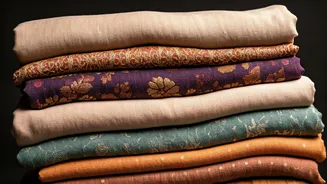
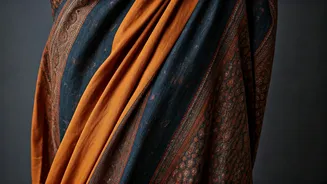
remix. Think of it as fashion sampling. They’re taking the key elements—the vibrant block prints of Rajasthan, the delicate chikankari embroidery of Lucknow, the rich luster of Banarasi silk—and integrating them into silhouettes that fit a contemporary lifestyle. This isn't about donning a full, formal six-yard sari for a trip to the cafe. It's about a pre-draped sari pant, a handloom crop top paired with high-waisted jeans, or a classic men’s kurta shortened to be worn over linen trousers. The goal is to evoke a sense of heritage without being burdened by it, creating a look that’s uniquely Indo-modern.
A Search for Authentic Identity
So, why now? For India’s millennials and Gen Z, this trend is a powerful response to a world saturated with generic fast fashion. After years of global brands like Zara and H&M dominating malls, there's a growing desire for clothing that tells a story—specifically, their story. Wearing a piece made from a regional textile or featuring a traditional craft is a quiet declaration of identity. It’s a way to connect with their roots in a tangible way, especially for a generation that has grown up in an increasingly globalized and digital landscape. In a sea of algorithm-driven trends, wearing a piece of handcrafted history feels personal and authentic. This isn't just nationalism expressed through clothing; it's a more nuanced search for cultural self-confidence, a way of saying, “This is where I’m from, and it’s beautiful.”
The Key Is 'Wearable'
The “make it wearable” mandate is the most critical part of this movement. Traditional Indian garments, for all their beauty, were often designed for a different era and pace of life. The modern Indian woman or man is navigating crowded public transport, working in air-conditioned offices, and meeting friends for brunch. A cumbersome, difficult-to-drape garment just doesn’t fit. Designers and brands have tapped into this by re-engineering tradition. They’re using lighter, breathable fabrics like mulmul (fine muslin) and linen. They’re adding practical features like pockets to kurtas and lehengas (long skirts). Silhouettes are becoming more fluid and relaxed. The sari, for example, is being reimagined as a pre-stitched gown, a jumpsuit, or even a chic dress, removing the barrier of complex draping while retaining its elegant form. This focus on practicality ensures that heritage pieces are not just for festivals and weddings, but for everyday life.
The Instagram and Sustainability Effect
Naturally, social media has been a huge accelerator. Fashion influencers on Instagram showcase their “heirloom-chic” by styling their grandmother’s vintage jewelry with a modern blazer or documenting their visit to a weaver's cooperative. This has not only made the trend visible but also aspirational. It has reframed old as cool and artisanal as luxurious. Parallel to this is a growing consciousness around sustainability. Young consumers are increasingly aware of the environmental and human cost of fast fashion. Turning to local, handcrafted textiles—often called “slow fashion”—is seen as an ethical and more sustainable choice. It supports local artisans, preserves generational skills, and results in a higher-quality garment that lasts longer than its mass-produced counterpart. In this context, choosing a hand-block printed shirt isn't just a style choice; it's a statement of values.