

The Old Rules of Restriction
Remember the peak of “clean eating”? It was a movement that, while well-intentioned, often devolved into a stressful game of elimination. The rules were strict and ever-changing: no gluten, no dairy, no sugar, no processed foods. Recipes promised “guilt-free”
brownies made from black beans and avocado, framing their conventional counterparts as inherently sinful. This approach created a strong binary: there were “good” foods and “bad” foods. Eating the former made you virtuous; consuming the latter was a moral failure requiring a “detox.” This all-or-nothing mindset, amplified by social media, created enormous pressure. It wasn't just about being healthy; it was about performing healthiness. The focus was on what you were cutting out, with the implicit promise that enough restriction would lead to a perfect body and a perfect life. For many, this pursuit became a source of anxiety, social isolation (ever been the person at a party who can’t eat anything?), and a disordered relationship with food.
The Rise of 'Soft Health'
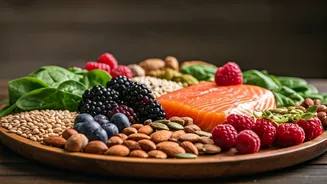
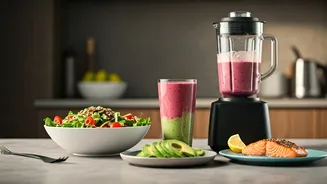
The softer rebrand of healthy eating flips the script entirely. Instead of focusing on restriction, the new philosophy is about addition. It’s less about what to avoid and more about what to include to make you feel good. This approach is sometimes called “gentle nutrition” or “food freedom.” It’s a core tenet of the Intuitive Eating movement, which encourages people to listen to their body’s hunger and satisfaction cues rather than external rules. The new goal isn’t a number on a scale but a feeling of vitality. Do you have sustained energy? Is your digestion comfortable? Are you enjoying your meals? This kinder, more realistic approach acknowledges that all foods can fit into a healthy lifestyle. A cookie isn’t a failure; it’s a cookie. And maybe you can make that cookie work even better for you by pairing it with a protein-rich glass of milk to balance your blood sugar, rather than eating it in shame.
Why the Backlash Against 'Wellness'?
This shift didn’t happen in a vacuum. It’s a direct response to diet culture burnout. After decades of chasing fads—from low-fat to low-carb to keto—many Americans are simply tired. The promises of quick fixes and transformative diets repeatedly failed to deliver long-term, sustainable results, leaving people feeling defeated. Simultaneously, conversations around mental health have become more mainstream. This has shed light on the dark side of obsessive “healthy” eating, including the rise of orthorexia, an eating disorder characterized by an unhealthy fixation on eating “pure” or “correct” foods. The body positivity movement also played a crucial role, challenging the narrow, often unattainable beauty standards that diet culture promotes. People began questioning who “wellness” was really for and demanding a more inclusive, less judgmental model of health that celebrates all body types.
What 'Soft Health' Looks Like in Practice
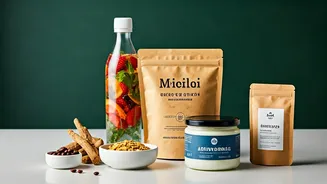
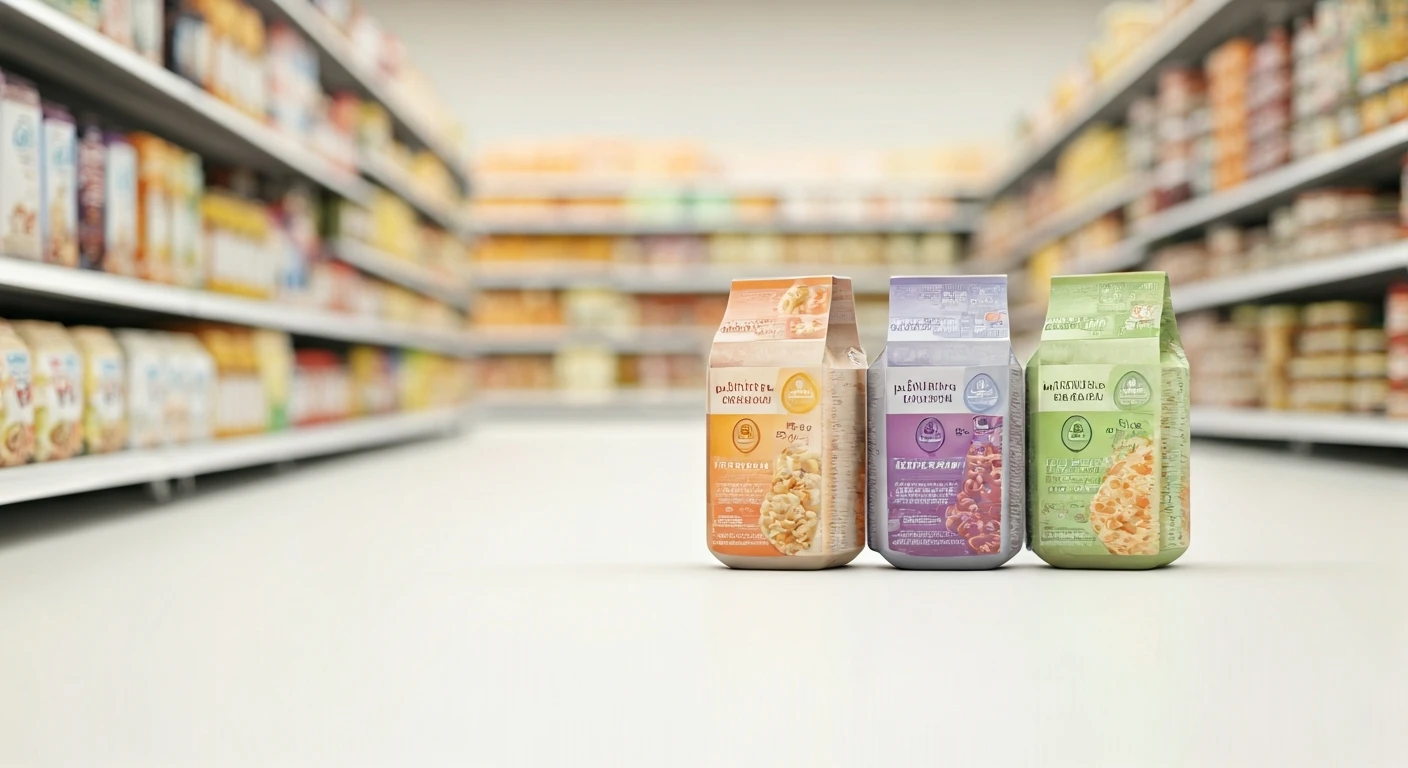
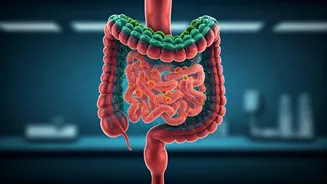
You can see this rebrand everywhere you look. On TikTok, dietitians are going viral for showing how to “add, not restrict”—like adding fiber-rich chia seeds to a sugary yogurt or enjoying pasta with a side of protein and vegetables. Food brands are also catching on. Marketing language has shifted from “low-calorie” and “zero-fat” to highlighting positive attributes like “high in fiber,” “gut-friendly probiotics,” or “plant-based protein.” Products like Olipop and Poppi have made a splash by offering a healthier take on soda, focusing on what they add (prebiotics, botanicals) rather than just the sugar they lack. Influencers who once promoted restrictive cleanses are now talking about hormonal balance and listening to their bodies. The message is no longer about deprivation. It’s about empowerment and pleasure—finding ways to nourish your body that are both effective and, just as importantly, enjoyable.