


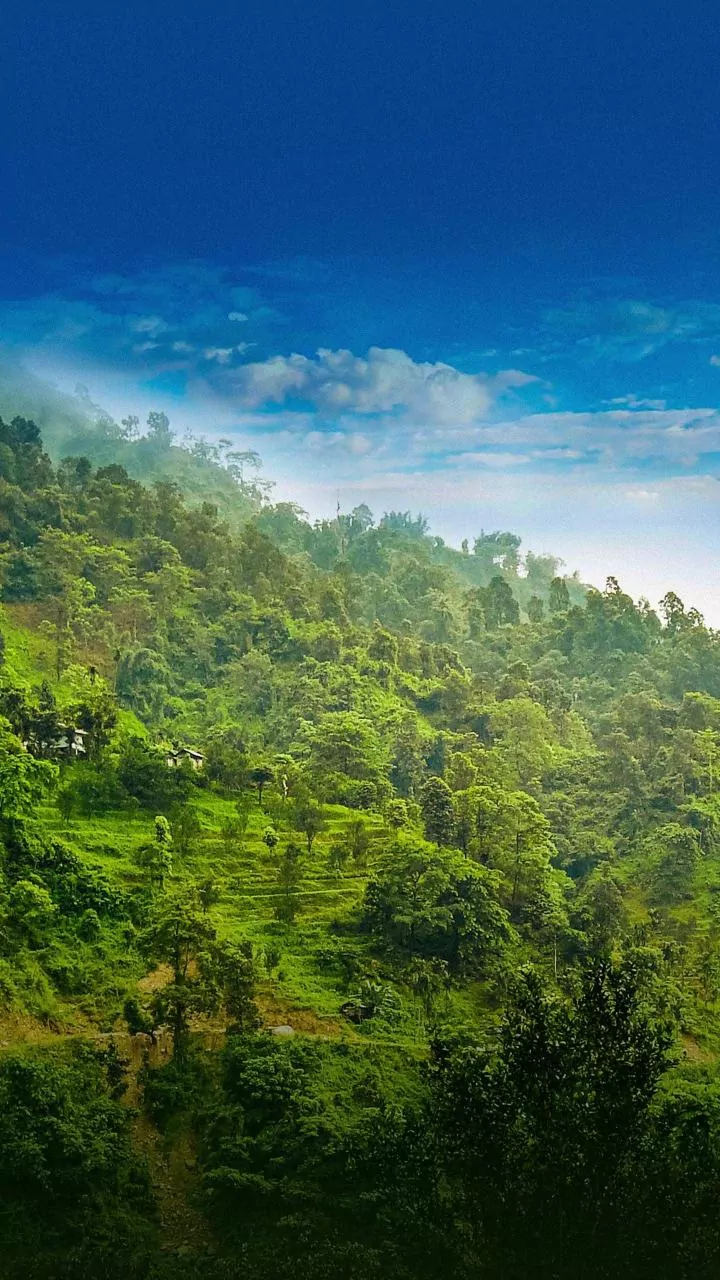




1. The State Park Weekend
Forget transcontinental flights and packed itineraries. The most restorative trips are often the ones hiding in plain sight. Most Americans live within an hour or two of a state park, offering a perfect, low-stress weekend escape. A two-night stay in a rustic
cabin or a pre-pitched tent site removes the pressure of extensive planning. The goal isn’t to conquer a mountain; it’s to simply exist in a different environment. A simple change of scenery, combined with the natural quiet and fresh air, works wonders on a frazzled nervous system. The benefits are backed by science: studies consistently show that time in natural environments can lower blood pressure, reduce stress hormones like cortisol, and improve mood. A weekend is just long enough to disconnect from your work inbox and reconnect with yourself, returning you to your desk on Monday feeling reset, not more tired.
2. The Urban Botanical Garden Hour
You don’t need to leave the city to find your green break. For those who can’t spare a full weekend, an urban botanical garden or a large, well-maintained city park offers a powerful micro-dose of nature. The key is to treat it like an appointment. Block off 60-90 minutes on your calendar, put your phone on airplane mode, and immerse yourself. The curated beauty of a botanical garden—with its themed sections, quiet greenhouses, and intentional pathways—is designed to soothe. It’s a sensory experience that forces you out of your head and into the present moment. Notice the texture of a leaf, the scent of blooming flowers, the sound of a fountain. This practice, known as mindfulness, is a proven technique for combating the anxiety that fuels work-life chaos. It’s a pocket-sized vacation you can take on your lunch break.
3. The Lakeside or Seaside Day Trip
There’s a reason we’re drawn to water. The concept of “blue space”—the visible presence of oceans, lakes, and rivers—has been linked to significant mental health benefits. A simple day trip to a nearby lake or coastal town can feel as restorative as a much longer vacation. Pack a simple lunch, a book, and a blanket. The agenda is to have no agenda. Listen to the rhythmic sound of the waves or the gentle lapping of lake water against the shore. These natural, repetitive sounds are known to induce a meditative state, calming the overactive mind. Staring at the vast, unchanging horizon provides a sense of perspective, making workplace dramas feel infinitesimally small. It’s a powerful mental reset that requires little more than a tank of gas and a free Saturday.
4. The 'Forest Bathing' Walk
Originating in Japan as Shinrin-yoku, forest bathing is not about hiking or exercise. It is the simple, slow, and deliberate act of being among the trees. Find a local trail or wooded park and leave your fitness tracker and expectations behind. The goal is to wander, not to work out. Engage all your senses: feel the rough bark of a tree, smell the damp earth, listen to the rustle of leaves and birdsong, and notice the way sunlight filters through the canopy. This isn't just poetic; it's therapeutic. Research has shown that forest bathing can boost immune system function, improve focus, and accelerate recovery from stress. A 45-minute walk can be enough to experience these benefits, making it one of the most efficient ways to counteract the effects of a screen-heavy life.
5. The Agri-Tourism Afternoon
For a change of pace that’s both green and grounding, consider a trip to a local farm. Many farms now welcome visitors for U-pick seasons (berries in summer, apples and pumpkins in fall), farm-to-table dinners, or simple tours. This type of outing offers a tangible connection to the natural world and where our food comes from, pulling us out of the abstract realm of digital work. The simple, repetitive motion of picking fruit can be meditative, while the open fields and rural quiet provide a stark, welcome contrast to a crowded office or a chaotic home life. It’s a family-friendly option that combines a pleasant activity with the inherent calm of a pastoral landscape, reminding us of the simple, cyclical rhythms of life that exist outside our 9-to-5 schedules.