






So, What Is a Culture Walk?
Think of it as a walking tour with a Ph.D. in storytelling. Unlike a traditional tour that might point out a dozen famous landmarks in an hour, a culture walk is a curated, thematic journey on foot. It focuses on a single, compelling aspect of a neighborhood's
identity. Instead of just seeing a building, you learn about the immigrant communities that built it. Instead of just passing a mural, you hear the story of the artist and the social movement that inspired it. These walks are hyper-specific, focusing on anything from the street art of Brooklyn's Bushwick to the jazz history of New Orleans' Tremé neighborhood or the culinary evolution of a city's historic market. The guide is often a local expert—an artist, a historian, a chef, or a community activist—who provides a layer of authenticity and personal insight you can’t get from a guidebook.
Beyond the Big Monuments
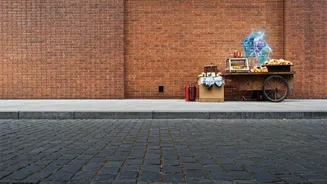
The rise of the culture walk speaks to a fundamental shift in what we want from travel and leisure. In an era of over-tourism and Instagram-cloned photo ops, there’s a growing hunger for authenticity. We’re tired of the sanitized, greatest-hits version of a city. We want the B-sides, the hidden tracks, the stories that reveal a place’s true character. Culture walks deliver on this promise by taking you off the beaten path and into the living fabric of a neighborhood. They celebrate the unofficial landmarks: the ghost signs on old brick buildings, the community gardens, the family-owned bakeries that have survived for generations. They connect you not just to a place, but to its people and its pulse. It’s the difference between seeing a city and understanding it.
A Post-Pandemic Perfect Storm
While themed walking tours aren't brand new, their recent explosion in popularity is no accident. The pandemic created a perfect storm of conditions that accelerated the trend. First, months of lockdown gave us a renewed appreciation for the simple act of being outdoors and exploring on foot. Second, with international travel restricted, many of us started looking for adventure closer to home, rediscovering our own cities with fresh eyes. These walks became a way for locals to connect with their communities and see familiar streets in a new light. Finally, there's an economic component. Culture walks are a fantastic way to support local artists, independent guides, and small businesses that were hit hard by the pandemic. Choosing a food tour or a mural walk is a direct investment in the creative and cultural soul of a city.
From Street Art to Foodie Trails
This trend is unfolding in vibrant and diverse ways across the country. In Philadelphia, Mural Arts Philadelphia runs dozens of tours that showcase the city's status as the “Mural Capital of the World,” telling stories of social justice and community pride through public art. In Los Angeles, culinary tours of neighborhoods like Koreatown or Boyle Heights offer a taste of the city’s rich immigrant history, one taco or plate of kimchi at a time. In Chicago, the iconic architecture tours have been joined by more niche walks exploring everything from the city's gangster past to the literary figures who called it home. Even smaller cities are getting in on the act, with local historical societies and entrepreneurs launching tours that highlight their town's unique industrial heritage, musical roots, or ghost stories. The common thread is a focus on narrative and a passion for place.