




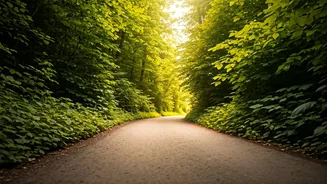
From Itinerary to Immersion
First, let’s define our terms. ‘Slow travel’ isn’t about moving at a snail’s pace. It’s a mindset shift away from the frantic, checklist-driven tourism that has dominated for decades. Instead of trying to see five cities in ten days, the slow traveler
might spend those ten days in a single village, a neighborhood, or a region. The goal isn’t to conquer a destination, but to connect with it. This means swapping hotel chains for local homestays, prioritizing walks over taxi rides, and spending an afternoon in a market instead of rushing between museums. It’s about trading a packed itinerary for the luxury of unstructured time, allowing for spontaneous conversations with shopkeepers, unscheduled detours down interesting alleyways, and a genuine feel for the rhythm of daily life.
The Perfect Storm for an Indian Moment
So why is this philosophy resonating so strongly in India right now? A few powerful forces are converging. First, the pandemic dramatically reshaped travel habits. With international borders closed, a burgeoning Indian middle class rediscovered its own country, seeking refuge from crowded cities in the mountains of Himachal Pradesh or the backwaters of Kerala. This domestic boom created a demand for longer, more meaningful stays. Second, the rise of remote work has untethered millions from their desks. The ‘workation’—where professionals blend labor and leisure—is no longer a niche concept. It’s now common to see travelers with laptops setting up shop for weeks or months in places like Goa or Rishikesh, integrating into the local scene rather than just passing through. This extended timeframe is the foundational ingredient of slow travel.
Beyond the Golden Triangle
This shift is rewriting the tourist map of India. For generations, the classic introductory tour has been the ‘Golden Triangle’—a hurried loop of Delhi, Agra, and Jaipur. While these destinations remain iconic, the new wave of travelers is looking further afield, seeking authenticity over spectacle. They’re spending weeks at a time in the quiet coffee plantations of Coorg, learning to cook regional dishes in a Keralan family’s home, or settling into a guesthouse in a small Himalayan village to hike and meditate. The focus is less on the monumental and more on the personal. It’s about experiencing the hyperlocal: the specific craft of a Rajasthani village, the unique ecosystem of the Sundarbans, or the distinct dialect of a coastal town in Tamil Nadu. Accommodations like farm stays, eco-lodges, and heritage homestays are thriving, offering a direct line into the local culture and economy.
A Deeper, More Sustainable Connection
This trend is more than just a preference; it’s a conscious choice. There’s a growing awareness, particularly among younger Indians and international visitors, of the negative impacts of over-tourism—environmental degradation, strained infrastructure, and the commercialization of culture. Slow travel presents itself as an antidote. By staying longer and spending money at smaller, locally-owned businesses, travelers can ensure their economic impact is more direct and beneficial. It fosters a more respectful form of cultural exchange, one built on mutual curiosity rather than a transactional relationship. It encourages a lighter footprint, both environmentally and culturally. This isn't just about having a better vacation; for many, it’s about being a better, more responsible traveler in a world that desperately needs them.