


Where the Mountains Meet the Sea
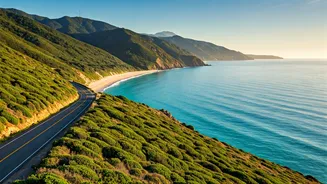
For most American travelers, India conjures images of the Taj Mahal or the bustling markets of Delhi. But hugging the nation’s western edge, south of the sprawling metropolis of Mumbai, lies a 450-mile coastal paradise known as the Konkan. This narrow
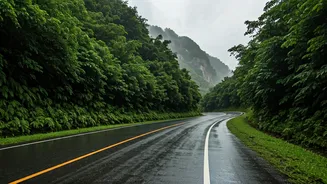
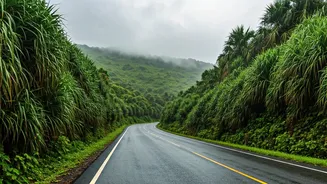
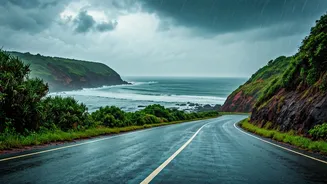
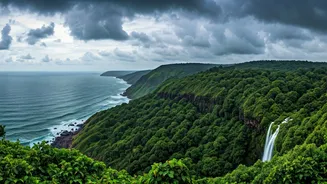
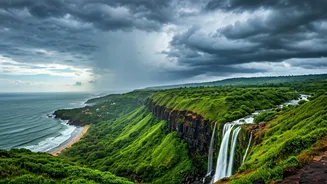
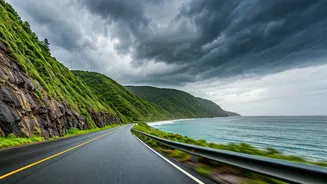
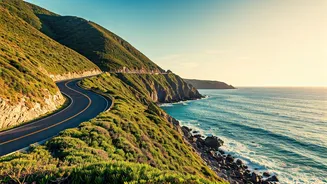
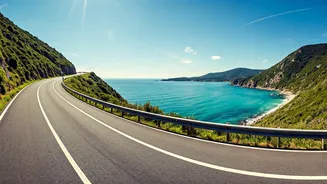
strip of land is a geographical marvel, wedged between the Arabian Sea and a range of lush, steep hills called the Western Ghats. In the dry season, it’s beautiful. But when the monsoon arrives in June, it transforms into something else entirely: a land of breathtaking, almost mythical, drama.
Embracing the Downpour
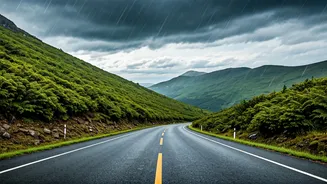
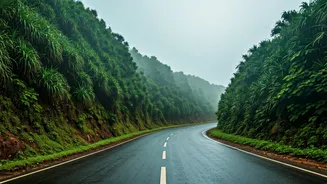
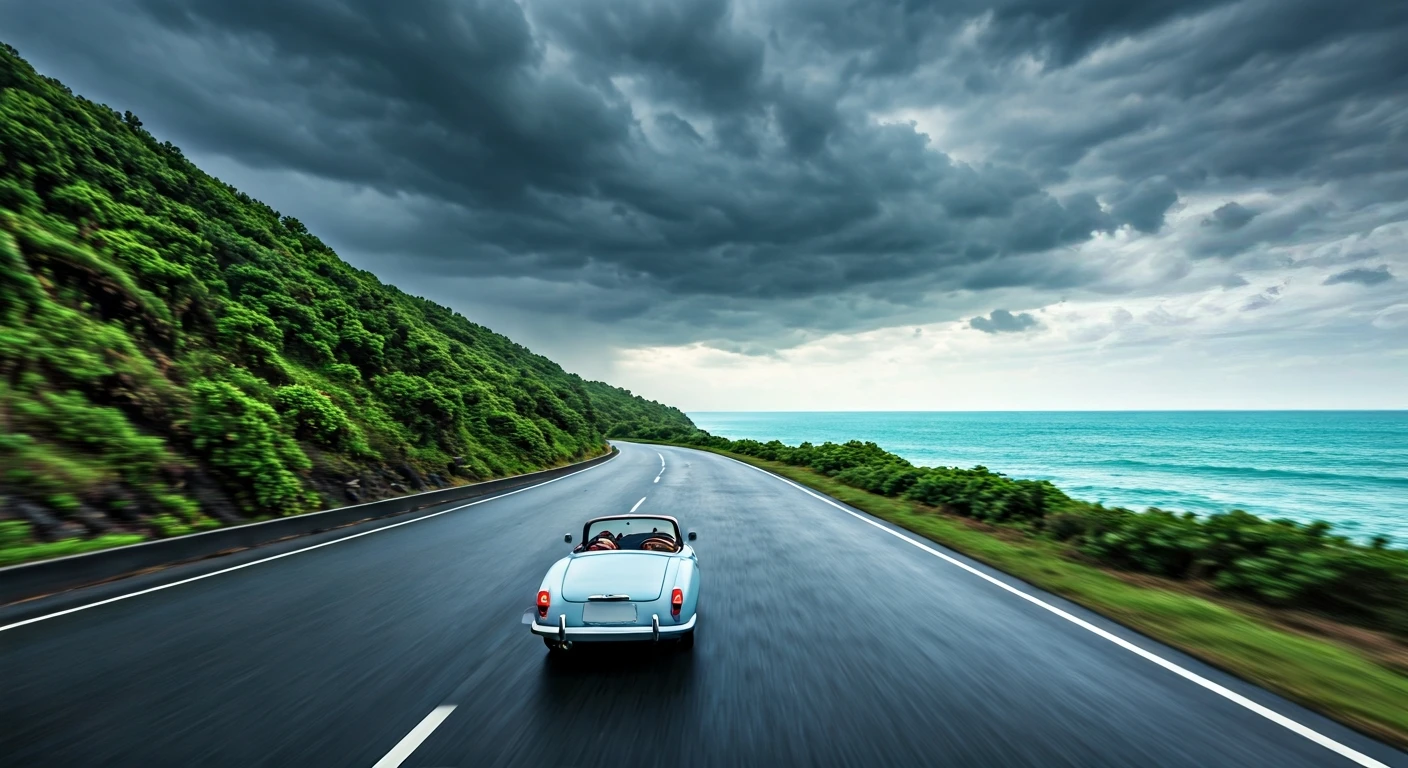
The very idea of a “monsoon road trip” can seem counterintuitive. We’re taught that rain ruins a vacation. But along the Konkan, the rain *is* the main event. It’s the lifeblood that turns the parched, dusty landscape of May into a riot of green by July. The drive, typically along National Highway 66, becomes a moving portrait of nature’s raw power. Mist clings to the valleys, ancient forts loom from hilltops shrouded in clouds, and countless temporary waterfalls cascade over cliffs, sometimes directly onto the road. This isn’t a trip for avoiding the weather; it’s for rolling down the window to feel the spray on your face.
A Journey for the Senses
A Konkan road trip is a full-sensory experience. The dominant smell is petrichor—that intoxicatingly earthy scent of rain on dry soil—mixed with the salt of the sea breeze. Roadside stalls appear out of the mist, offering roasted corn on the cob (bhutta), sprinkled with chili and lime, or steaming cups of sweet, milky chai. The soundtrack is the constant drumming of rain on the car roof, punctuated by the crash of waves against rocky shores. Beaches like those near Ganpatipule or Malvan, normally dotted with sunbathers, are wild and deserted, their powerful waves a testament to the monsoon’s force. It’s a photographer’s dream, where every frame is saturated with color and mood.
Pacing Your Path
While you can drive the coast in a few days, the real joy is in the detours. The journey is dotted with fishing villages, historic temples, and formidable sea forts built centuries ago to guard the coast. You might stop in Ratnagiri, a town famous for its Alphonso mangoes (though you'll be past peak season) and the birthplace of a key Indian freedom fighter. Further south, the Sindhudurg Fort, a 17th-century marvel built on a rocky island, seems to rise directly from the churning sea. The goal isn’t to cover distance but to collect experiences, whether it’s watching a fishing boat navigate a choppy inlet or finding a small guesthouse with a view of a rain-swept paddy field.
The Flavors of the Rain
Travel in India is inseparable from food, and the monsoon brings its own special menu. With the humidity and cooler temperatures comes a craving for hot, hearty meals. This is the time for savory fried snacks like onion pakoras, best eaten hot from the fryer while the rain pours down outside. The coastal cuisine, known as Malvani, is famous for its use of coconut and fiery spices. A bowl of spicy fish curry made with the day’s catch, served with steamed rice and soul-warming lentil soup (solkadhi), is the perfect antidote to a damp afternoon. It’s comfort food that connects you directly to the place and the season.