






The New Blueprint for Aging Well
For decades, the conversation around getting older was dominated by decline and loss. But a seismic shift is underway. The new wellness philosophy treats aging as a dynamic, active process—one that can be shaped by our daily habits. The rise of yoga for
older adults is perhaps the clearest signal of this change. It’s not just another fitness trend; it’s an accessible, adaptable practice that addresses the whole person. It represents a move away from high-impact, punishing workouts and toward sustainable practices that build resilience, foster mental clarity, and enhance quality of life for the long haul.
More Than Just Stretching
When people hear “yoga,” they often picture pretzel-like poses. But the reality, especially in the context of healthy aging, is far more practical and profound. It combines physical postures (asanas), breathing exercises (pranayama), and meditation to create a powerful mind-body synergy. The benefits extend far beyond simple flexibility, directly targeting some of the most significant challenges associated with aging. Let’s break down the science-backed reasons why yoga is becoming a go-to practice for a vibrant later life.
Benefit 1: Improving Balance and Preventing Falls
A fall can be a life-altering event for an older adult. Yoga is one of the most effective ways to prevent them. By holding poses like Tree or Warrior II, you train your body’s proprioception—its ability to sense its position in space. This, combined with a stronger core and more stable leg muscles, directly translates to better balance in everyday life. Studies from institutions like the National Institutes of Health have shown that regular yoga practice can significantly reduce the risk of falls by improving stability and reaction time.
Benefit 2: Maintaining Strength and Bone Density
Sarcopenia (age-related muscle loss) and osteoporosis (thinning bones) are major concerns. Yoga offers a gentle yet effective form of resistance training. Poses where you support your own body weight—like Plank, Downward-Facing Dog, or even standing poses—stimulate bone-forming cells and build lean muscle mass. Unlike lifting heavy weights, yoga uses your own body to create resistance, reducing the risk of injury while effectively strengthening the muscles that support your spine and joints.
Benefit 3: Boosting Brain Health and Mood
The mind-body connection in yoga is not just a spiritual concept; it’s a neurological reality. The focus required to hold a pose, combined with controlled breathing, is a workout for the brain. Research suggests this can improve memory, attention, and processing speed. Furthermore, the meditative aspect of yoga is a powerful antidote to stress. It helps lower cortisol levels, which can ease feelings of anxiety and depression and contribute to better sleep—all crucial components of cognitive vitality.
How to Start Safely and Smartly
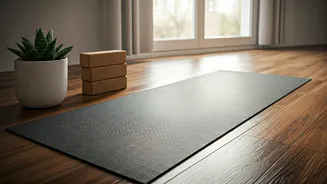
The beauty of yoga is its adaptability. You don’t need to be flexible or fit to begin. Start by looking for classes specifically designed for seniors, such as “Gentle Yoga,” “Restorative Yoga,” or “Chair Yoga.” These classes use props like chairs, blocks, and blankets to support the body and modify poses. Always inform the instructor about any health conditions, such as arthritis, high blood pressure, or past injuries. Most importantly, honor your body’s limits. The goal isn’t to achieve a perfect pose, but to move mindfully and breathe deeply. The mantra in a healthy yoga practice is “no pain, all gain.”