

The Symphony of the Street Cart
First, what even is chaat? It’s not one single dish but a whole universe of savory South Asian street snacks. The word itself means “to lick,” and the flavor profile is designed to make you do just that. Chaat is a masterful balancing act—a party in your
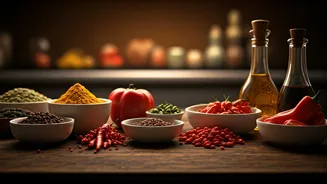
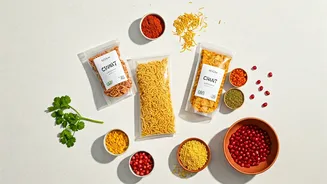
mouth where tangy, spicy, sweet, and savory all show up. Think of the sharp tang of tamarind chutney, the cooling creaminess of yogurt, the sudden kick of green chili, and the satisfying crunch of fried dough (puri) or crispy chickpea flour noodles (sev). At its heart, chaat is about complexity and contrast. It’s never one-note. It’s a full symphony of textures and tastes, a far cry from the straightforward saltiness of a traditional potato chip.
A Generation Craving Complexity
This brings us to Gen Z. Raised on the internet, this is a generation whose cultural and culinary horizons have always been global. Their palates aren't just open to new things; they actively seek them out. Market research consistently shows that Gen Z consumers crave bold, adventurous flavors and are far more likely than previous generations to try foods from different cultures. They champion the “swicy” (sweet and spicy) trend and embrace foods with a story. The one-dimensional snacks of the past just don’t cut it. Chaat’s inherent complexity—that dynamic interplay of sweet, sour, and spicy—isn’t just interesting to them; it’s the expectation. It aligns perfectly with a worldview that rejects bland uniformity in favor of vibrant, multi-layered experiences.
The Snack Aisle Goes Global
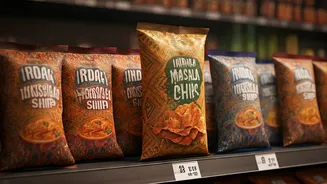
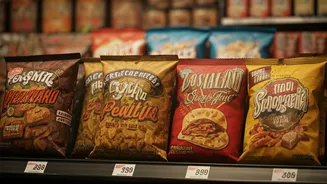
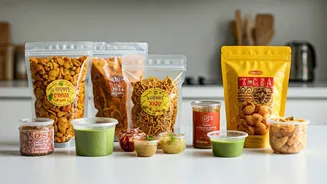
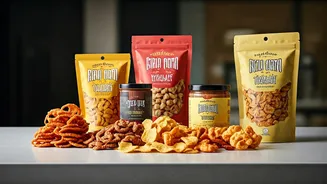
For decades, “international” flavors in the U.S. snack aisle were often sanitized, watered-down versions of the real thing. Chaat-inspired snacks signal a shift. This isn’t just about major corporations like Frito-Lay testing a “Masala” flavor. It's a two-pronged movement. On one side, you have mainstream brands like Trader Joe's introducing products like their “Spicy Chakri Mix,” making these flavor profiles accessible to everyone. On the other, a growing wave of South Asian-American entrepreneurs are launching their own brands, like The Chaat Co. or Craize, offering authentic tastes that don’t compromise. This movement represents both a smart business pivot toward a massive new consumer base and a powerful moment of cultural representation, moving familiar flavors from the home kitchen to the national supermarket.
Fueled by Clicks and Culture
You can’t talk about a Gen Z trend without talking about social media. Food is one of the most powerful content categories on platforms like TikTok and Instagram, and chaat is incredibly photogenic. The vibrant colors and layered textures are made for the screen. Viral “taste test” videos, where creators sample snacks from around the world, have created a feedback loop of discovery and demand. A single video can send viewers scrambling to find a specific Korean chip or Indian candy. This digital word-of-mouth flattens the distance between a street food cart in Mumbai and a teenager’s bedroom in Ohio. It normalizes once-niche flavors, turning them into must-try items and cementing chaat’s profile as the perfect snack for a generation that discovers, shares, and consumes culture online.