

Beyond Just Filling the Stomach
For generations, Indian meals have been defined by rich flavors, regional diversity, and cultural significance. But for a growing cohort of young, urban consumers, the definition of a good meal is expanding. They’re now asking a new question: What can this
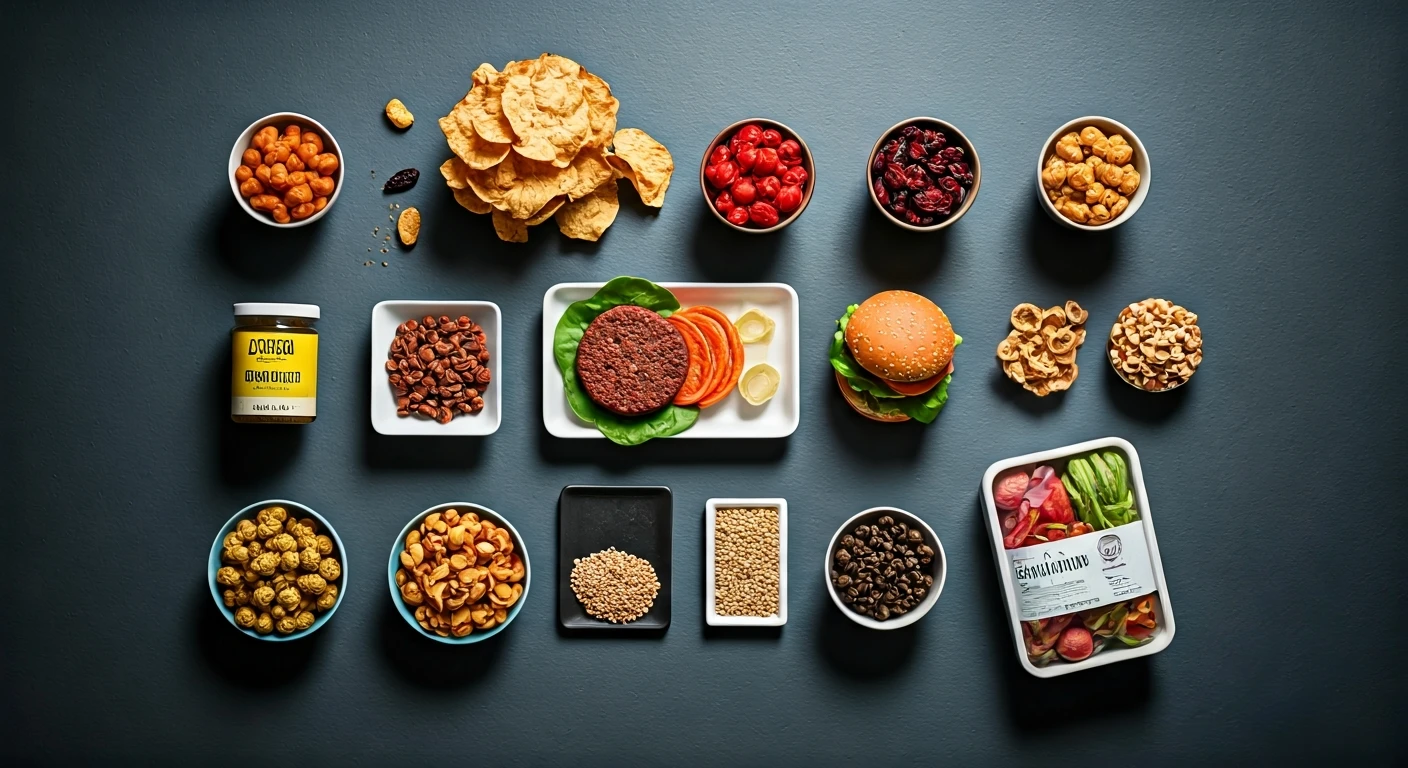
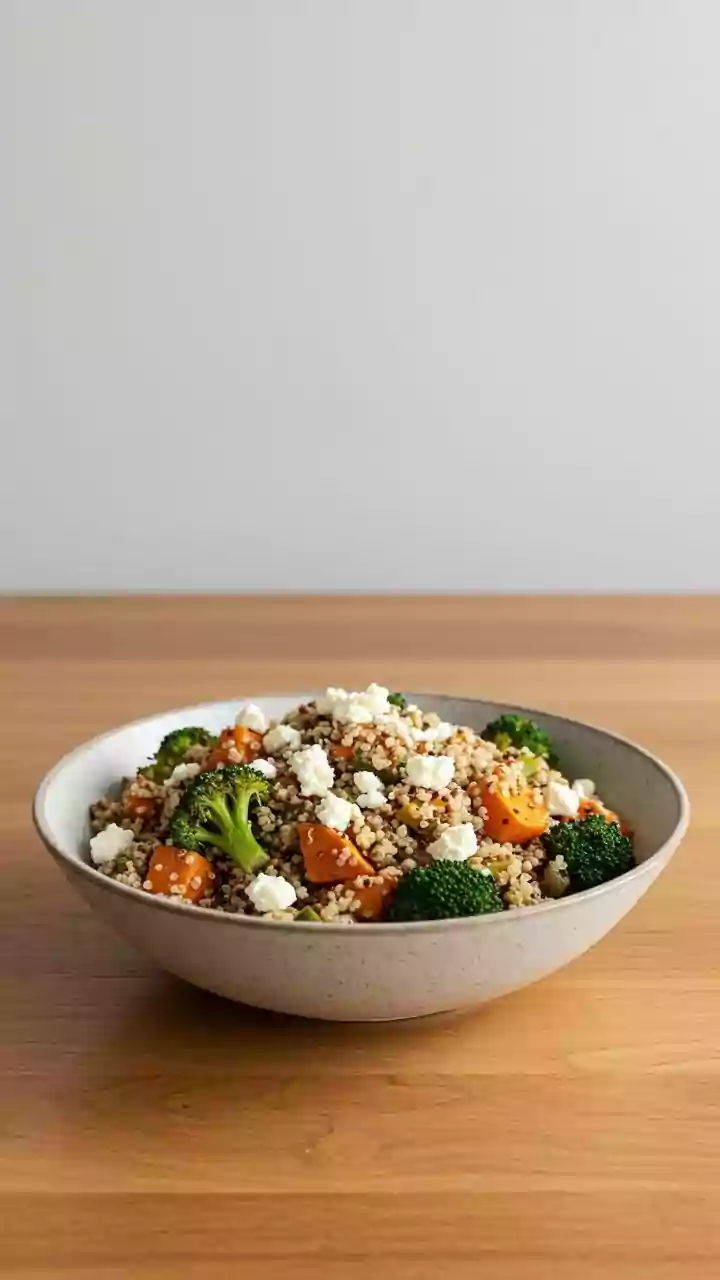
food *do* for me? “Food that pulls its weight” is the new standard, and it has little to do with calorie-counting in the traditional sense. Instead, it’s about functionality. This means foods high in protein to support a fitness regimen, snacks packed with fiber for better gut health, and ingredients that promise enhanced focus or immunity. It’s a move away from “empty” calories and toward nutrient-dense options. The focus is on the “clean label”—short ingredient lists with recognizable, natural components. Preservatives, artificial flavors, and excessive sugar are out; millets, seeds, plant-based proteins, and fortified staples are in. This isn't just a niche health trend; it’s a fundamental rethinking of food’s role from mere sustenance to a tool for self-optimization.
The Engines of a New Appetite
Several powerful forces are fueling this shift. First is economic. India’s rising disposable income gives its massive young population the power to choose. They can afford to pay a premium for products that align with their values. Second is information. Social media platforms like Instagram have given young Indians unprecedented access to global wellness trends, from keto diets to the benefits of kombucha. Health influencers and nutritionists have become powerful voices, shaping purchasing decisions far more effectively than traditional advertising. The COVID-19 pandemic acted as a massive catalyst, accelerating a pre-existing interest in health and immunity into an urgent priority. Finally, there's a growing awareness of lifestyle-related health issues, like diabetes and obesity, which are becoming more prevalent in urban India. For many, choosing healthier food is a proactive measure to secure their long-term well-being in a high-stress, fast-paced world. This isn't about rejecting Indian food culture, but rather updating it for the 21st century.
The Brands Capturing the Market
This demand has created a fertile ground for a new wave of direct-to-consumer (D2C) food startups. Brands like The Whole Truth, which built its identity on “100% clean-label” protein bars and snacks, resonate deeply with consumers tired of misleading marketing. Epigamia effectively created the mainstream market for Greek yogurt in India, branding it as a protein-rich, healthy snack. Slurrp Farm is winning over parents with children’s cereals and pancake mixes made from traditional grains like ragi and jowar. These companies aren't just selling products; they're selling transparency. They use social media to tell their story, explain their ingredients, and build a community around a shared philosophy of better eating. Their agility allows them to innovate quickly, launching products that meet specific dietary needs, from vegan alternatives to gluten-free options, far faster than their legacy competitors.
A Wake-Up Call for Big Food
The rise of these nimble startups poses a significant challenge to the established giants of the food industry. For decades, multinational corporations and large Indian conglomerates dominated the market with products built on taste, convenience, and brand nostalgia. Now, they find themselves playing catch-up. Their legacy products, often high in sugar and processed ingredients, are losing their luster with the health-conscious demographic. In response, these giants are pursuing a two-pronged strategy: innovate and acquire. Many are reformulating their classic products to reduce sugar or add healthier ingredients. Simultaneously, they are investing in or outright buying the successful D2C brands that have already cracked the code. This trend signals a power shift, where consumer demand for transparency and health is forcing the entire industry, from the largest corporation to the smallest startup, to re-evaluate what it means to put food on the table.