

It Puts Money Back in Your Wallet
Let's start with the obvious: fresh food is expensive. A small, sad-looking clamshell of basil at the supermarket can cost four or five dollars. For the same price, you can buy a starter plant that will produce fragrant leaves all summer long. The math
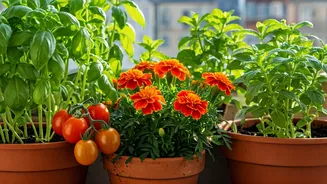
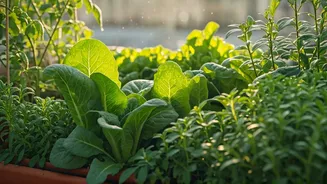
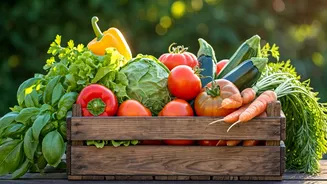
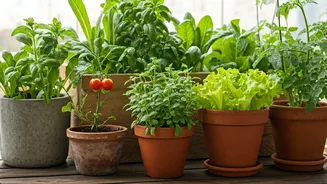
on edible gardening is overwhelmingly positive, especially if you focus on high-yield, high-cost items. Think salad greens, which can be harvested repeatedly; cherry tomatoes, which are wildly prolific; and perennial herbs like rosemary and thyme that return year after year. Even in a small space, a few well-chosen pots can lead to noticeable savings on your grocery bill, cutting down on impulse buys and providing you with produce that would cost a premium at the store.
A Boost for Your Body and Mind
The health benefits of edible gardening go far beyond just eating more vegetables. First, there's the nutritional superiority. Produce starts losing nutrients the moment it’s picked. When your “farm” is a pot on your balcony, you can harvest minutes before you eat, ensuring you get the maximum amount of vitamins and minerals. You also have complete control over what goes into your food—no mystery pesticides or waxes. But the wellness aspect is just as important. The simple act of tending to plants, known as horticultural therapy, has been shown to reduce stress, lower blood pressure, and improve mood. It’s a gentle, mindful activity that grounds you in the natural world, offering a tangible antidote to screen fatigue and daily anxieties.
A Kinder Choice for the Planet
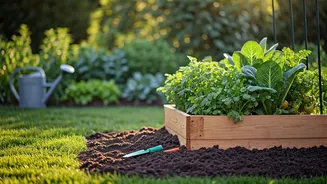
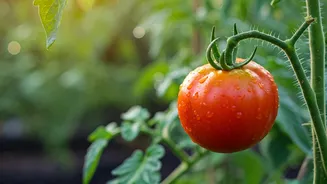
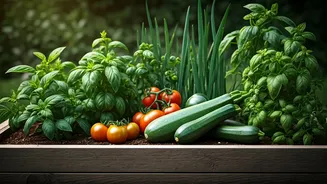
Your backyard tomato has a carbon footprint of almost zero. The one from the grocery store? It may have traveled thousands of miles in a refrigerated truck, been stored in an energy-guzzling warehouse, and come wrapped in single-use plastic. Growing even a small portion of your own food dramatically reduces your reliance on this resource-intensive commercial food system. You eliminate "food miles," cut down on packaging waste, and can nurture a small ecosystem in your own yard. By composting your kitchen scraps to feed your garden, you create a closed-loop system that reduces landfill waste while building healthier soil. It’s a small but powerful way to contribute to a more sustainable future, one salad at a time.
You'll Never Look at Food the Same Way
There is a unique and profound satisfaction that comes from eating something you grew yourself. It fosters a deep connection to your food and a greater appreciation for the effort that goes into producing it. You learn firsthand about the life cycles of plants, the importance of pollinators, and the rhythm of the seasons. This knowledge is not only empowering but also transformative. Suddenly, a simple tomato isn't just a tomato; it's the result of weeks of sunlight, water, and care. This experience often leads to less food waste, more adventurous cooking, and a greater interest in where all your food comes from. For families, it’s also an invaluable hands-on science lesson for kids.
Getting Started Is Surprisingly Simple
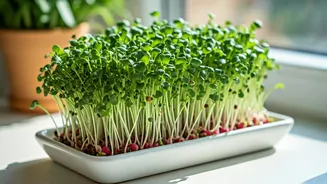
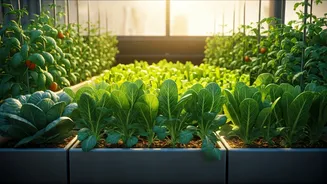
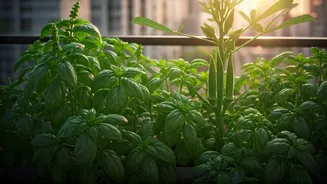
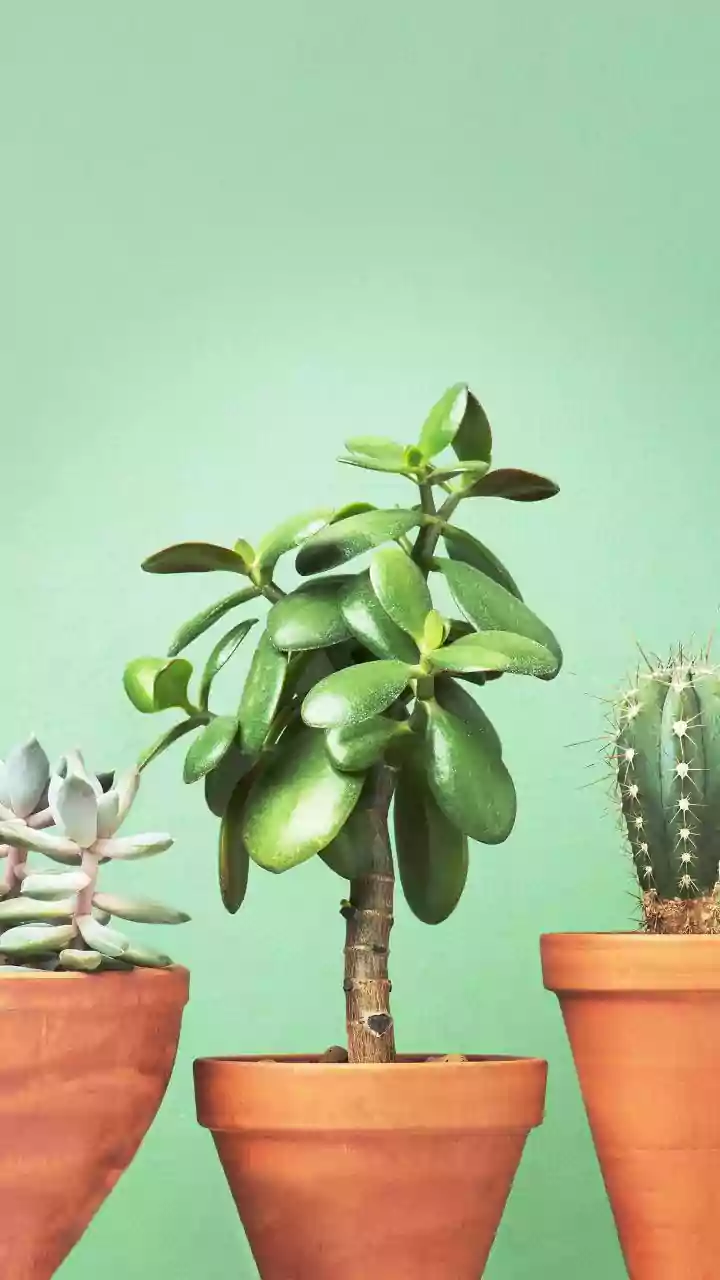
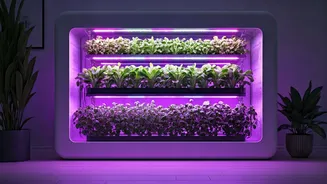
The biggest myth about edible gardening is that you need a huge yard and years of experience. That’s simply not true. You can start with a single pot of mint on a sunny windowsill. You can grow a surprising amount of lettuce in a window box. Balconies, patios, and even sunny indoor spots can become productive mini-farms. Start with plants that are known to be easy and forgiving. Leafy greens like lettuce and spinach, hardy herbs like basil and chives, and even small bush bean varieties thrive in containers. Local garden centers are full of starter plants that give you a huge head start. Don't aim for self-sufficiency on day one. Aim for the joy of snipping your own herbs for dinner. The rest will follow.