



The Great Comfort Food Revival
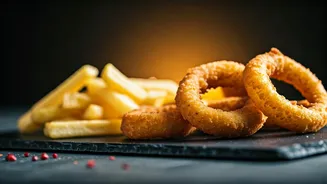
Let’s be honest: there’s a certain magic in a perfectly fried piece of chicken or a basket of fresh-from-the-fryer French fries. For years, however, indulging that craving felt like a dietary sin, thanks to a wellness movement that championed kale smoothies
and quinoa bowls. But the pendulum is swinging back. In the wake of a global pandemic and ongoing economic uncertainty, Americans are reaching for comfort. And what’s more comforting than the food you grew up loving? Food industry analysts have noted a significant return to “nostalgia-driven eating.” These are the simple, satisfying classics that evoke feelings of warmth, safety, and a less complicated time. Fried foods are at the top of that list. They represent a small, affordable luxury—a moment of pure, unadulterated sensory pleasure in a world that often feels overwhelming. This isn't about abandoning health goals entirely; it’s about a collective decision that sometimes, mental and emotional comfort is just as important as physical health.
Meet the 'Health Fine Print'
Here’s where the 2024 version of this trend differs from the past. We’re not just mindlessly diving into a bucket of fried chicken. We’re doing it with a new level of awareness—the “health fine print.” This is the mental calculus we perform before indulging, and it’s being fueled by a wave of innovation at home and in restaurants. The most obvious example is the air fryer. Now a staple in millions of American kitchens, this appliance promises that coveted crispiness with a fraction of the oil. It has become the ultimate symbol of “permissible indulgence,” allowing home cooks to satisfy a craving without the associated guilt. Restaurants are also adapting. Menus now proudly advertise foods fried in “healthier” oils like avocado or sunflower oil. Portion sizes are shrinking, with sliders and “bites” replacing massive platters. You’re also seeing a surge in plant-based fried options—think crispy cauliflower wings or fried mushroom sandwiches—that offer the same textural satisfaction with a vegetable-forward base.
The Nutritional Reality Check
So, is an air-fried potato wedge really a health food? Not exactly, and that’s a crucial part of the fine print. Nutritionists are quick to point out that while methods like air frying can significantly reduce the calories and fat content compared to deep frying, the food itself remains what it is. A potato is still a starchy carbohydrate, and breaded chicken is still breaded chicken. The primary benefit comes from avoiding submersion in hot oil, which adds hundreds of calories and can create harmful compounds when oil is reused or overheated. Ultimately, the “healthier” fried food trend is about harm reduction, not nutritional perfection. Using an air fryer or choosing a restaurant that uses high-quality oil is a better choice than the alternative. It allows for the enjoyment of these foods more frequently without completely derailing one’s health goals. It’s a compromise—a way to have your crispy chicken and eat it, too, just maybe not every day.
The Psychology of the Balanced Binge
This trend reveals a fascinating evolution in our relationship with food. We’ve moved beyond the rigid 'good food' versus 'bad food' dichotomy of the past. Today’s consumer is more sophisticated, seeking a sustainable balance rather than total restriction. The new goal isn’t to eliminate cravings but to manage them smartly. This is the era of the “balanced binge.” It’s about planning for indulgence. You might eat salads all week to consciously “make room” for a weekend splurge on Nashville hot chicken. Or you might pair your fried calamari with a side of steamed vegetables. This approach reflects a broader cultural shift towards holistic wellness, where mental satisfaction and the joy of eating are considered valid components of a healthy lifestyle. It’s less about guilt and more about deliberate, mindful choices. We’re finally learning that a little of what we love, enjoyed thoughtfully, might be the healthiest approach of all.