




The Rise of the Northeast Frontier
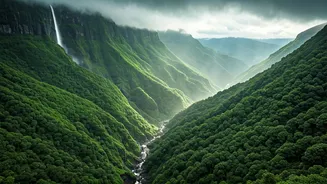
Forget what you think you know about India's landscapes. The country's Northeast, a cluster of eight states connected to the mainland by a narrow corridor, is a world away from the desert plains and dense cities most tourists see. States like Meghalaya
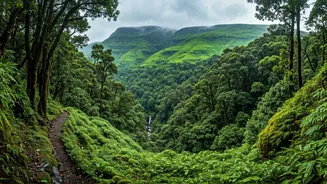
('Abode of the Clouds') and Nagaland are becoming go-to spots for raw, unfiltered adventure. This isn't manicured tourism; it's about trekking to living root bridges woven by local tribes over centuries, exploring some of the world's deepest caves, and attending vibrant indigenous festivals like Nagaland’s Hornbill Festival. The appeal lies in its remoteness and sense of true discovery. For years, complex permits and lack of infrastructure kept it off the map for most Americans, but improved connectivity and a rise in boutique tour operators are finally opening the door to this breathtaking region.
Wellness Beyond the Ashram
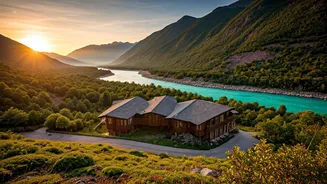
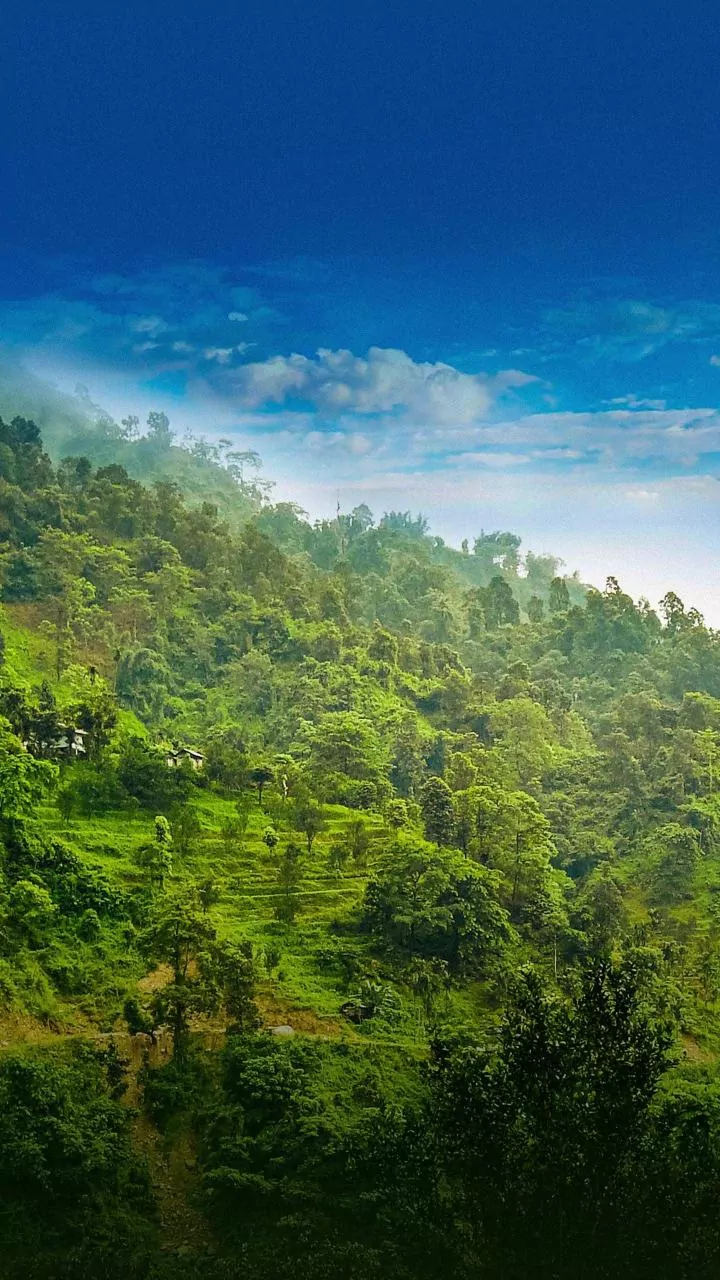
The yoga-and-meditation retreat is an Indian classic, but the new trend is about a more holistic and immersive approach to wellness, set against dramatic backdrops. Instead of the crowded banks of the Ganges in Rishikesh, travelers are seeking out luxury wellness lodges in the Himalayan foothills of Uttarakhand or serene properties tucked away in the Western Ghats mountain range. These aren't just about downward dog and chanting; they integrate personalized Ayurvedic treatments, forest bathing (shinrin-yoku), organic farm-to-table cuisine, and digital detoxing. The focus is less on a quick spiritual fix and more on a deep, restorative reset, connecting mind and body to nature in a profound way. It’s the next evolution of the wellness journey, trading ashram austerity for quiet luxury and deep healing.
The Quiet Coast of Odisha
For decades, Goa has been India’s undisputed beach capital. But for those weary of packed beaches and party circuits, the eastward gaze is landing on Odisha. This coastal state on the Bay of Bengal offers a different kind of seaside escape—one that is quieter, more culturally rich, and steeped in history. Its long, golden beaches are often wonderfully empty, backed by casuarina groves instead of nightclubs. But the real secret is what lies just beyond the sand. Odisha is home to the magnificent Sun Temple at Konark, a UNESCO World Heritage site, and the sacred city of Puri, one of India's most important pilgrimage sites. You can also explore artisan villages like Raghurajpur, where every resident is an artist practicing ancient Pattachitra painting. It’s the perfect blend of beach relaxation and deep cultural immersion.
Culinary Deep Dives
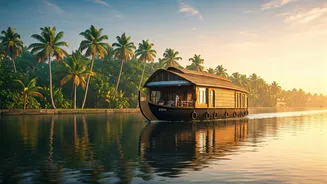
American foodies have finally realized 'Indian food' is as broad a term as 'European food.' The latest trend moves beyond the standard chicken tikka masala and toward hyper-regional culinary tours. Instead of a general tasting menu, travelers are dedicating entire trips to mastering the nuances of a single region's cuisine. Imagine a week in Chettinad (Tamil Nadu) learning its famously fiery and aromatic dishes, a journey through Gujarat to explore its complex sweet-and-savory vegetarian thalis, or a trip to coastal Kerala to master seafood curries made with fresh coconut and kokum. These tours are hands-on, often including market visits, cooking classes in family homes, and stays at heritage properties known for their authentic kitchens. It’s about understanding a culture through its palate, one spice at a time.
Sustainable Stays in the Spice Lands
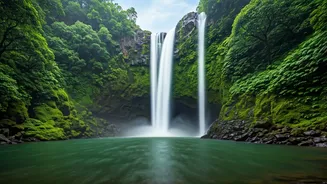
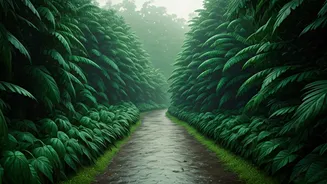
As conscious consumerism grows, so does the demand for responsible travel. In India, this trend is blossoming in the biodiverse Western Ghats, particularly in the spice-growing regions of Karnataka and Kerala. Travelers are skipping large resorts for intimate, family-run eco-lodges set on working coffee, cardamom, and pepper plantations. These aren't just hotels; they're conservation projects. A stay might involve guided treks to spot endemic wildlife, lessons in sustainable farming practices, and meals made from ingredients grown just feet from your room. The experience offers a powerful connection to the land and the people who protect it. It’s a form of tourism where your dollar directly supports biodiversity and local communities, making the trip feel as good for the soul as it is for the planet.