

Your Wallet Will Thank You
Let’s start with the most compelling reason for any backpacker: the cost. The monsoon (roughly June to September) is the definitive off-season in tourist hotspots across states like Kerala and Karnataka. With tourist numbers dwindling, hotels and guesthouses
that charge a premium during the peak winter months slash their prices. It’s not uncommon to find accommodation for 30-50% less than you’d pay in December. This isn't just about finding a cheap bed; it’s about affording a nicer room with a view of the rain-swept hills, or extending your trip by weeks. Your bargaining power increases, and your daily budget stretches further than you thought possible, allowing for more spontaneous splurges on local food or experiences.
The Landscape in Hyper-Saturation
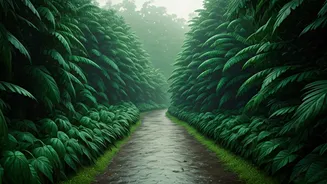
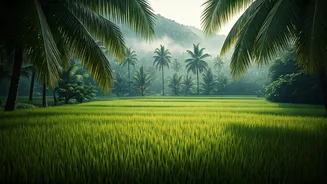
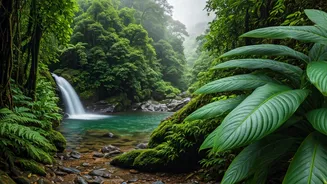
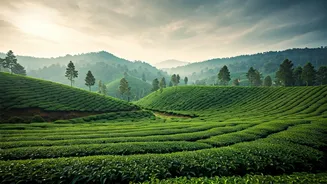
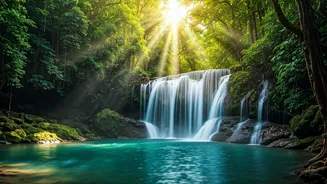
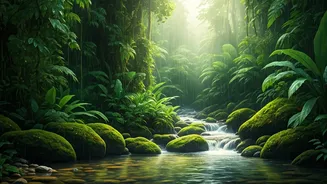
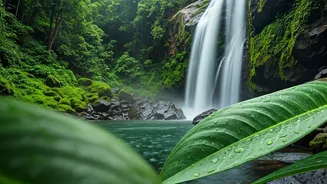
The pre-monsoon heat leaves the landscape dusty and tired. The rains change everything. Within weeks, the Western Ghats—the mountain range running parallel to the west coast—erupt in an impossible spectrum of greens. Tea plantations in Munnar or Wayanad become almost fluorescent. Waterfalls that are mere trickles in the dry season roar back to life, becoming thunderous attractions in their own right. The air, washed clean of dust, is crisp and smells of wet earth and blooming flowers. It’s a photographer’s dream, where every shot looks like it’s had the saturation cranked to eleven, but it’s all real. This isn't just a trip; it’s an immersion in a world at its most vibrant and alive.
Fewer Crowds, More Connection
Imagine having the serene Kerala backwaters almost to yourself, or exploring the ancient ruins of Hampi without battling for a photo op. During the monsoon, the crowds of international and domestic tourists vanish. This transforms the travel experience entirely. You’re no longer just another face in a sea of visitors. Locals are more relaxed, often more curious, and have more time for a genuine conversation. You’ll get a better table at the best local eatery, find quiet contemplation at temples and monuments, and experience a side of South India that is slower, more personal, and far more authentic.
The Perfect Climate for Wellness
There’s an ancient reason why the monsoon is a special time in Kerala. According to Ayurvedic tradition, the humid, cool, and dust-free atmosphere is ideal for healing treatments. The moist air helps open up the body’s pores, making it more receptive to medicinal oils and therapies. For centuries, this has been the preferred season for Keralites to undergo Panchakarma, a comprehensive detoxification and rejuvenation program. For a backpacker, this means you can access world-class, authentic wellness treatments at a fraction of the price they’d cost in the West, during the very season they are considered most effective.
The Romance of the Rain Itself
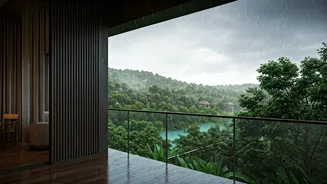
Finally, don’t underestimate the simple, cozy joy of the rain. There's a unique romance to sitting on a guesthouse veranda with a hot cup of chai, reading a book while a torrential downpour nurtures the forest outside. The rhythm of the rain becomes the soundtrack to your trip. It forces a slower pace of life. Instead of rushing from one sight to the next, you learn to wait, to watch, and to appreciate the dramatic shifts in weather. A day might involve a sunny morning hike, a sudden afternoon storm that sends you running for cover in a local shop, and a clear, stunning sunset. It’s an experience that’s dynamic and deeply atmospheric.
A Quick Reality Check
This paradise does come with practical considerations. You absolutely need a good waterproof jacket and a rain cover for your backpack. Leeches can be a nuisance on jungle treks (tuck your pants into your socks and carry a small salt pouch). Some minor roads may be prone to landslides, so a flexible itinerary is key. But these are small prices to pay. Pack smart, embrace the occasional inconvenience, and you’ll be rewarded with an experience that most travelers miss entirely.