



The Great Outdoors Becomes the Great Logjam
America’s love affair with its national parks has reached a fever pitch. In the years following the pandemic, a collective urge to reconnect with nature sent millions flocking to iconic landscapes like Zion, Yosemite, and the Grand Canyon. The result?
A phenomenon that feels less like a spiritual retreat and more like Black Friday at a suburban mall. Timed-entry reservation systems, once a niche tool for managing fragile ecosystems, are now commonplace at a growing number of parks, a clear signal that demand has wildly outstripped capacity. For many, the very thing they came to find—solitude, peace, a break from the crowd—has been engineered out of the experience by the sheer volume of people seeking the exact same thing. This isn't just about a few popular spots; it's a systemic pressure on our most treasured natural assets, turning bucket-list destinations into logistical headaches.
Hashtag Overload and the 'Instagram' Effect
Social media has acted as an accelerant on this fire. A single, breathtaking photo of a secret waterfall or a secluded overlook can transform a quiet spot into a mob scene in a matter of months. Locations are no longer discovered through worn trail maps but through geotags on Instagram and viral TikTok videos. This creates a feedback loop of desire and disappointment. Travelers arrive expecting the empty, majestic vista they saw on their phone, only to find a queue of people waiting to replicate the exact same shot. This digital word-of-mouth not only concentrates crowds in very specific, photogenic places—leading to trail erosion and stressed infrastructure—but it also subtly shifts the goal of the trip from experiencing nature to documenting it. The landscape becomes a backdrop for a selfie rather than the main event.
The Pivot to 'Second-Tier' Sanctuaries
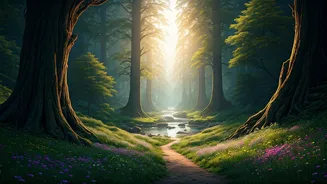
Faced with reservation lotteries and shoulder-to-shoulder trails, a growing wave of savvy travelers is making a deliberate choice: they're opting out. Instead of vying for a spot at the most famous national parks, they are rediscovering the quiet dignity of America's other public lands. State parks, which often boast scenery just as stunning but with a fraction of the hype, are seeing a renaissance. Likewise, the vast, sprawling national forests—which dwarf the national park system in sheer acreage—offer nearly limitless opportunities for solitude without the need for a permit secured six months in advance. This isn't about settling for second best; it's a strategic move toward a more authentic and rewarding experience. It’s a vote for the forest over the theme park.
How to Find Your Own Calm Forest
Reclaiming tranquility in your travels doesn't require finding a mythical, undiscovered paradise. It’s about adjusting your strategy. Consider the 'shoulder seasons'—the spring and fall months that flank the summer peak—when the weather is often perfect and the crowds have thinned. Instead of the most famous trail in a park, pull up a map and look for the less-traveled route; the payoff is often a greater sense of discovery. Embrace the concept of 'slow travel,' spending more time in one region rather than ticking off a list of hotspots. And perhaps most importantly, look beyond the 'big name' parks. Explore a state park an hour from your home or a national forest you’ve only ever driven past on the highway. The calm you’re looking for is often much closer, and less crowded, than you think.