





The Great Unschedule
For decades, the American vacation was a game of optimization. How many cities could you cram into a week? How many museums, monuments, and must-see landmarks could you check off the list? It was a reflection of a culture that values productivity above
all else, where even our leisure time had to produce a high-yield return of experiences to be showcased. But a quiet rebellion is underway. In the wake of widespread burnout and the relentless hum of digital connectivity, travelers are starting to seek not more, but less. They’re rejecting the tyranny of the itinerary and embracing a philosophy of intentional slowness. This isn't laziness; it's a deliberate act of self-preservation. The goal is no longer to 'do it all,' but to actually feel rested, present, and restored upon returning home. It’s a fundamental shift from travel as a performance to travel as a practice of recovery.
Looking Up: The Allure of the Stars
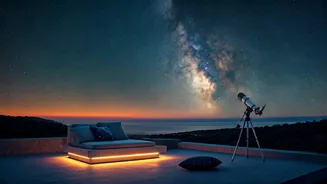
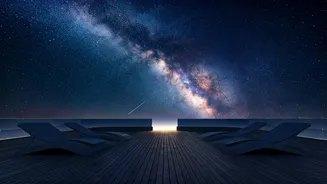
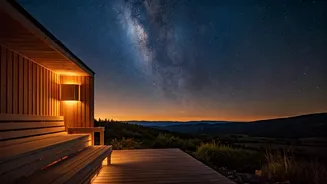
One of the most potent symbols of this new travel mindset is the growing fascination with the night sky. So-called 'astrotourism' is booming, with travelers actively seeking out destinations with minimal light pollution. Think remote cabins in West Texas, desert lodges in Utah, or designated International Dark Sky Parks across the country. In a world dominated by the blue glow of our screens, the simple, profound act of looking up at a canopy of stars feels like a radical act of disconnection. Seeing the Milky Way splashed across the sky is a primal experience that recalibrates our perspective. It reminds us of a scale and grandeur that exists far beyond our daily anxieties, emails, and deadlines. It doesn't require a guide, a ticket, or a reservation—just darkness, patience, and a willingness to be humbled. This isn't about discovering a new planet; it's about rediscovering a sense of wonder that often gets lost in the noise of modern life.
The Warmth Within: Saunas and Rituals
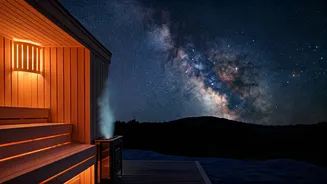
While stargazing directs our attention outward and upward, another key element of this trend turns the focus inward. The rise of wellness travel has brought rituals like sauna sessions and cold plunges from niche spa treatments to mainstream vacation activities. This isn't just about the physical benefits of sweating it out or the bracing shock of cold water. It's about creating a dedicated, phone-free space for contemplation. In a sauna, there is nothing to do but sit, breathe, and be present with your own thoughts. It’s a forced mindfulness. This movement embraces activities that are an end in themselves. Instead of rushing from one photo op to the next, travelers are finding deep satisfaction in the simple, sensory experience of a hot room, the smell of cedar, and the rhythm of their own breathing. It's a form of tourism that values internal states over external sights.
Embracing the Slow Night
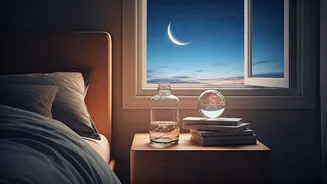
Ultimately, stars and saunas are just components of a larger philosophy: the celebration of the 'slow night.' This is perhaps the most challenging and rewarding part of the new travel gospel. It's the conscious decision to have an evening with no plans. It’s permission to sit on a porch and read a book for three hours, to have a long, meandering dinner without checking the time, or to simply listen to the sounds of a new place. The slow night is the antidote to the fear of missing out. It replaces it with the joy of missing out—choosing quiet connection over frantic activity. It’s the realization that the most memorable moments of a trip are often the unplanned, in-between ones: the shared laugh over a bottle of wine, the quiet observation of a sunset, the feeling of a cool breeze after a long day. These moments can't be scheduled, but you can create the space for them to happen.