



Embrace the Power of 'Biophilia'
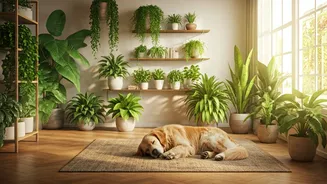
It sounds complex, but the idea is simple: humans and animals have an innate tendency to seek connections with nature. This concept, known as biophilia, is why a walk in the park feels restorative. The same principle applies to our pets. An indoor environment
that is sterile, noisy, and devoid of natural elements can contribute to stress. By consciously creating a 'greener' habitat, you’re not just decorating; you’re providing passive enrichment that can help soothe an anxious mind. This involves engaging your pet’s senses in a gentle, positive way, mimicking the calming aspects of the natural world they are hardwired to appreciate.
Introduce Pet-Safe Greenery
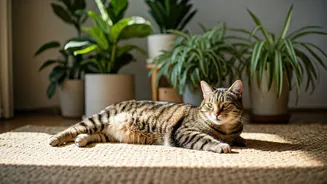
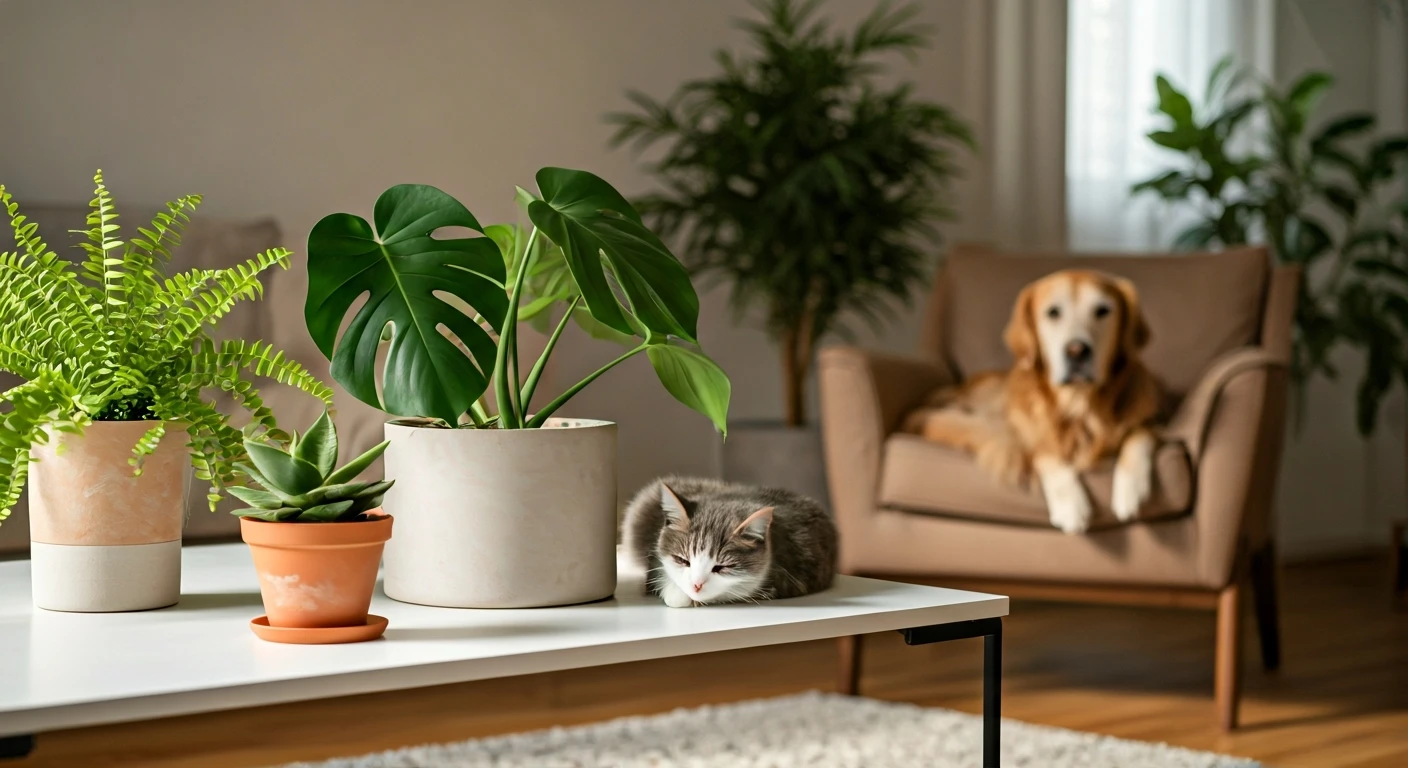
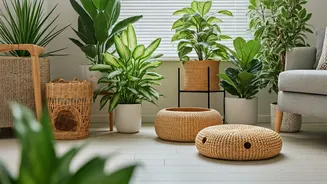
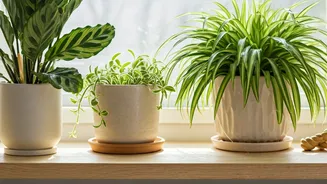
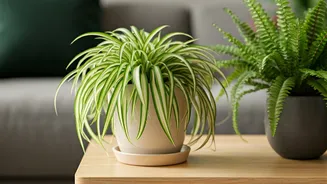
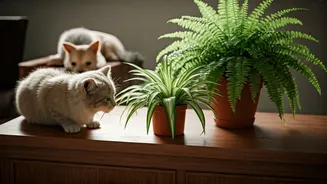
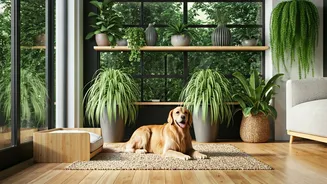
Plants are the most obvious way to bring the outdoors in. They improve air quality and provide new, interesting scents and sights for a bored pet. However, safety is non-negotiable. Many common houseplants, like lilies, philodendrons, and Sago palms, are highly toxic to cats and dogs. Before bringing any plant home, confirm it's non-toxic by checking the ASPCA's comprehensive list. Great, pet-safe options include spider plants, Boston ferns, prayer plants, and certain succulents like haworthia. Place them in sturdy pots your pet can’t easily knock over, creating a mini-jungle for them to explore visually and olfactorily.
Maximize Natural Light and Views
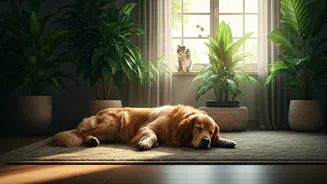
Never underestimate the mood-boosting power of sunlight. A dark, gloomy space can exacerbate feelings of anxiety and lethargy in both people and pets. Make sure your pet has access to rooms with plenty of natural light throughout the day. If possible, create a comfortable perch near a secure window. Watching birds, squirrels, and the general activity outside is a form of mental stimulation often called 'cat TV' or 'dog TV.' It’s a simple, free way to keep their minds engaged and prevent the kind of boredom that can spiral into destructive, anxious behaviors when they're alone.
Create a Cozy 'Den' Space
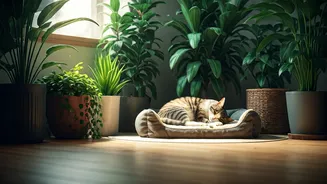
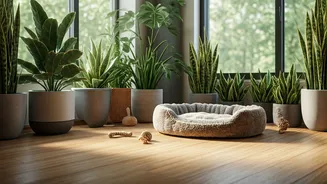
In the wild, animals seek out small, enclosed spaces to feel safe and secure. You can replicate this instinctual need by creating a 'den' for your pet. This isn't just about throwing a bed in the corner. Make the space intentionally calming. A crate covered with a blanket, a nook under a desk, or even a semi-enclosed cat tree can serve this purpose. Fill it with soft bedding that has your scent on it, like an old t-shirt. This designated safe zone gives them a place to retreat and self-soothe when they feel overwhelmed, rather than pacing anxiously by the door.
Incorporate Natural Textures and Sounds
Think beyond visuals. The feel of different surfaces can be enriching for your pet. Swap out synthetic materials for natural ones where possible. A jute or sisal rug provides a satisfying texture for scratching (for cats) or just lying on. A smooth, cool slate tile can be a welcome spot for a warm dog to relax. You can also use sound to your advantage. Instead of leaving the television on, which can have jarring sounds, try a white noise machine or a playlist of gentle nature sounds, like birdsong or flowing water. These can help mask startling outdoor noises and create a more serene auditory environment.
Engage Their Nose with Calming Scents
A pet's sense of smell is thousands of times more powerful than our own, and it can be used to promote calm. While essential oil diffusers can be dangerous for pets (many oils are toxic when inhaled or ingested), there are other safe options. Hiding treats inside a puzzle toy or snuffle mat engages their natural foraging instincts, turning anxiety into a focused, rewarding activity. You can also try pet-specific calming pheromone diffusers, which are available for both dogs and cats. These mimic the natural chemicals that mother animals produce to calm their young, sending a signal of safety and security.