

From Backyard Staple to Superfood Star
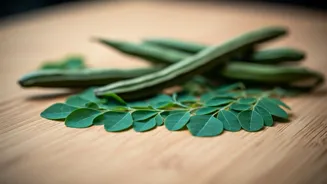
If you grew up in a South Asian household, you might know it as *sajna*, *murungai*, or simply the leaves from the “drumstick tree.” For generations, moringa has been a humble, almost ubiquitous backyard plant across India, Pakistan, Sri Lanka, and Bangladesh.
Its delicate, earthy-tasting leaves were a go-to for adding a quick, nutritious boost to dals, curries, and stir-fries. It wasn't a luxury; it was just food, as common and unassuming as spinach or cilantro. Then, the wellness world got hold of it. Suddenly, this familiar green was rebranded as a “superfood,” stripped of its cultural context, and sold in expensive powdered form in health food stores across America. Lauded for its high concentration of vitamins, minerals, and antioxidants, moringa became the darling of green smoothie enthusiasts and supplement companies. But as the hype cycle churned, something interesting happened: the conversation started circling back to its roots.
Grandma's Go-To Green
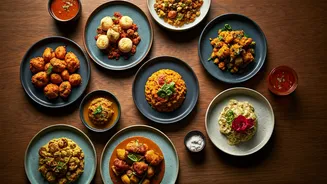
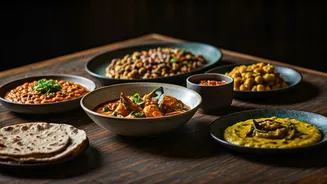
Long before it had a price tag per ounce at Erewhon, moringa was a cornerstone of traditional Ayurvedic medicine and home-style cooking. Elders valued it for its perceived health benefits—believing it could help with everything from joint pain to digestion. In the kitchen, its use was practical and intuitive. The leaves would be stripped from their stems and thrown into bubbling lentils to make *murungai keerai sambar* in Tamil Nadu, or stir-fried with garlic and coconut in Kerala. In Bengal, *sajne pata chorchori* is a classic mixed-vegetable dish featuring the slightly bitter leaves. For many in the South Asian diaspora, the taste of moringa is the taste of home, a flavor profile tied to childhood and matriarchal wisdom. It represented a form of nourishment that was both physical and emotional, often prepared by a mother or grandmother who understood the plant's value without needing a scientific study to prove it.
Reclaiming the Narrative
The current “moment” for moringa isn't just about its Western rediscovery. It’s about second- and third-generation Desi Americans and others in the diaspora reclaiming the ingredient. After years of seeing it packaged and sold as an exotic new discovery, many are now looking back to their own culinary heritage. They are calling up their parents for recipes, planting moringa trees in their California backyards, and proudly incorporating it into their modern lives. This isn't just about nostalgia; it's an act of cultural preservation and celebration. Chefs in trendy Indian-American restaurants are using moringa not as a gimmick, but as a core flavor. You might find it in a vibrant pesto, folded into a savory crepe, or even infused into a craft cocktail. This new wave of creativity bridges the gap between the traditional kitchen and the contemporary palate, showing that moringa is versatile enough to be both a comfort food and a gourmet ingredient.
How to Bring Moringa Home
Intrigued? Getting started with moringa is easier than you think. You can find fresh moringa leaves at most South Asian or international grocery stores, usually sold in bunches like other leafy greens. Look for vibrant green leaves and avoid any that are yellow or wilted. If you can't find it fresh, the frozen version is an excellent substitute, and the powder is a convenient option for smoothies and lattes. To prep fresh leaves, simply strip them from the thick central stem, which can be bitter. The tiny leaves don't need much chopping. A simple way to try them is to sauté some garlic and onion in a pan, then wilt the moringa leaves just like you would spinach. Add a pinch of salt and a squeeze of lemon, and you have a delicious, nutrient-packed side dish. You can also toss a handful into soups, stews, lentil dishes, or even omelets for an easy nutritional upgrade.