





The Kurta, Redefined
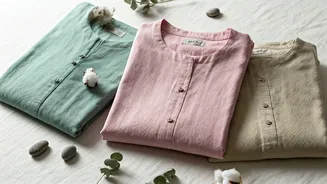
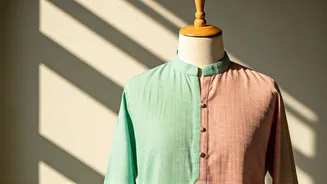
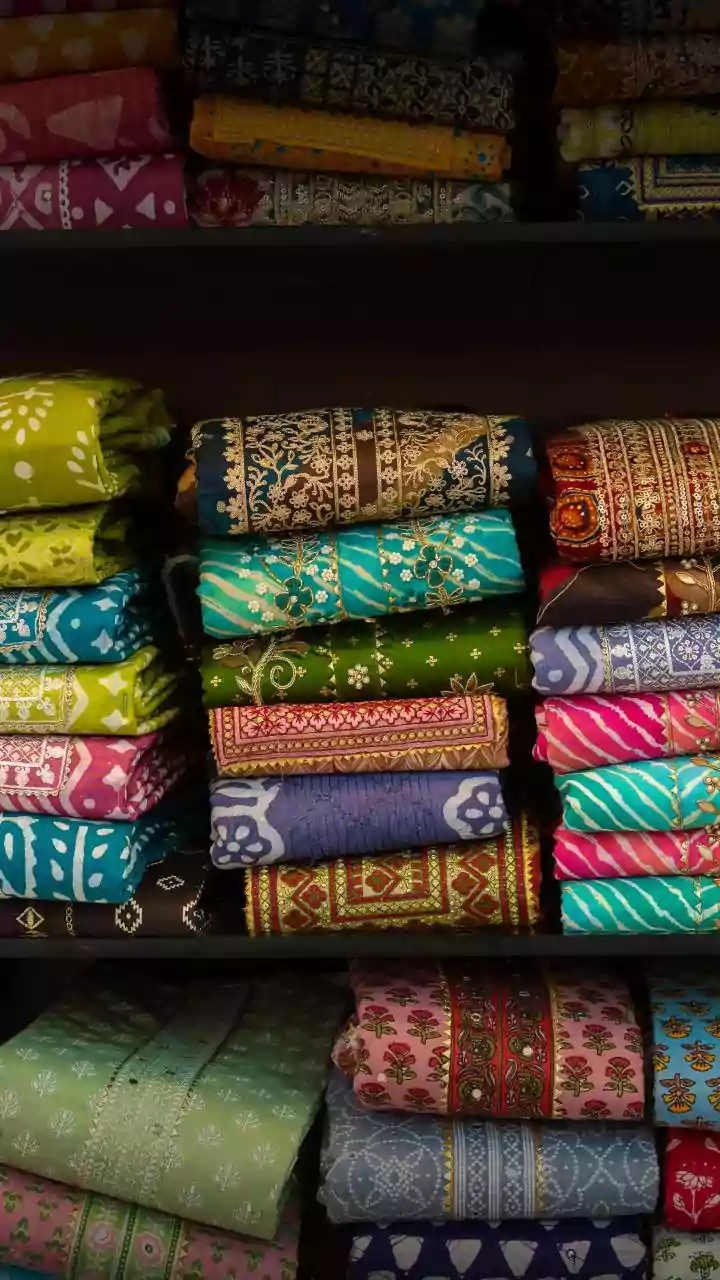
First, let's clarify what a kurta is. While often grouped with tunics, the kurta holds a distinct identity rooted in South Asian tradition. It’s a long, loose-fitting shirt, typically collarless, with a straight cut that falls anywhere from the hip to
below the knee. Unlike a simple tunic, its design is intentional, crafted for maximum air circulation and comfort in warm climates. For centuries, it has been a staple of daily wear, and its elegant simplicity is now being embraced globally. The modern kurta isn’t just for traditional occasions; it’s a versatile canvas for contemporary style, a piece that bridges the gap between structured shirts and overly casual tees. It offers coverage from the sun without trapping heat, making it a far more sophisticated option than a standard tank top or sundress.
The Magic of Handwoven Cotton
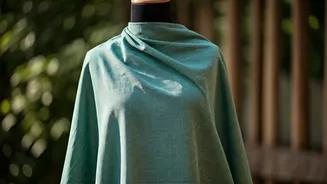
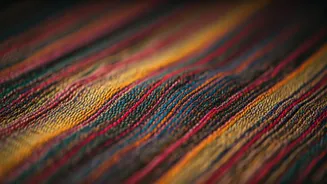
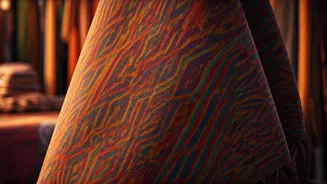
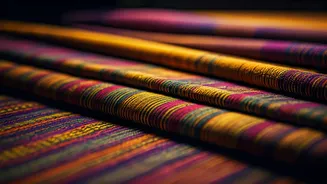
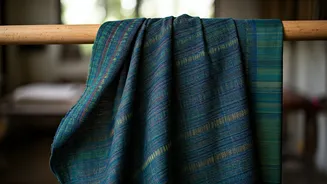
The secret to the kurta’s warm-weather superiority lies in its fabric: handwoven cotton. Forget the dense, stiff cotton of your winter flannels. Handwoven cotton, often known by regional names like Khadi in India, is created on a handloom by skilled artisans. This process is slower and more deliberate than industrial weaving, resulting in a fabric with a unique texture and incredible breathability. The slight irregularities in the weave create tiny gaps that allow air to pass through freely, wicking moisture away from the skin and keeping you cool. Machine-made fabrics are often woven so tightly that they trap air and heat. Handwoven cotton, by contrast, feels almost alive against the skin. It gets softer with every wash, drapes beautifully, and carries the subtle, human touch of its creator. Choosing handwoven is also a nod to sustainable, slow fashion, supporting artisanal communities and a more mindful approach to consumption.
A Palette Pulled from Nature
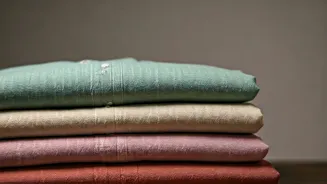
While kurtas come in every color imaginable, the current trend towards earthy pastels elevates the garment to a new level of chic. These aren't the saccharine pastels of an Easter basket. Think of the muted, sophisticated tones found in nature: dusty rose, sage green, pale terracotta, sandy beige, and washed-out sky blue. This color palette is inherently calming and incredibly versatile, pairing seamlessly with other neutrals in your wardrobe like denim, white linen, and khaki. Earthy pastels feel grounded and organic, perfectly complementing the natural texture of the handwoven cotton. They look expensive and considered without being loud, allowing the elegant silhouette and beautiful fabric to take center stage. This subtle color story makes the kurta feel less like a costume and more like an integrated, essential part of a modern American wardrobe.
How to Style It Now
Incorporating a kurta into your daily look is easier than you think. The key is to balance its relaxed silhouette with more structured or familiar pieces. For a classic, foolproof outfit, pair a hip-length or thigh-length kurta with your favorite slim-fit or straight-leg jeans. The contrast between the flowing top and the tailored denim is modern and chic. For a more bohemian, vacation-ready vibe, wear it with wide-leg linen pants or cropped trousers. This creates an elegant, breezy look perfect for a weekend brunch or a walk on the beach. A longer kurta can even be worn as a dress on its own or belted at the waist for more definition. Don't be afraid to use it as a layering piece, either; an unbuttoned kurta works beautifully as a lightweight jacket over a simple tank top and shorts. Accessorize with leather sandals, a woven tote bag, and simple gold or silver jewelry to complete the look.