

More Than Just Vegetarian
Let’s be clear: this isn’t about simply removing meat from the plate. South Asian cuisine has an ancient and profound vegetarian tradition. But the term 'veggie-forward' signals a crucial shift in philosophy. It’s about treating vegetables not as a substitute
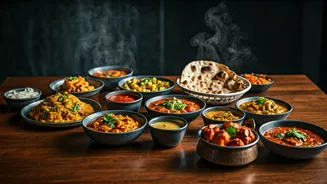
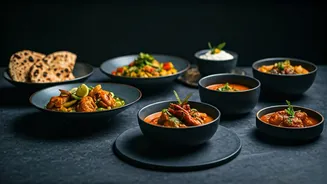
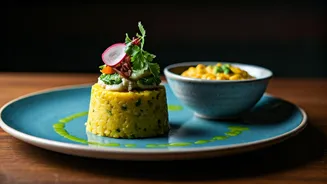
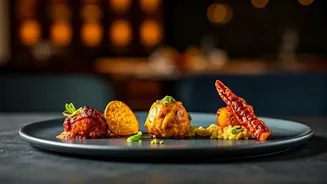
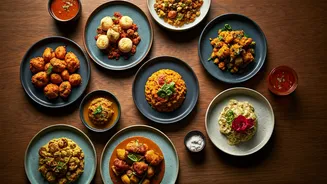
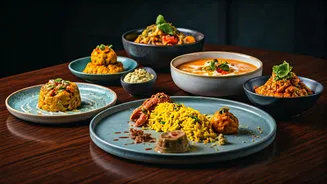
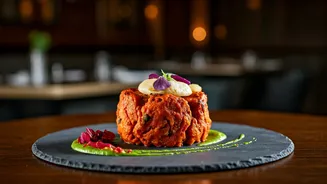
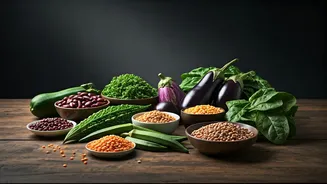
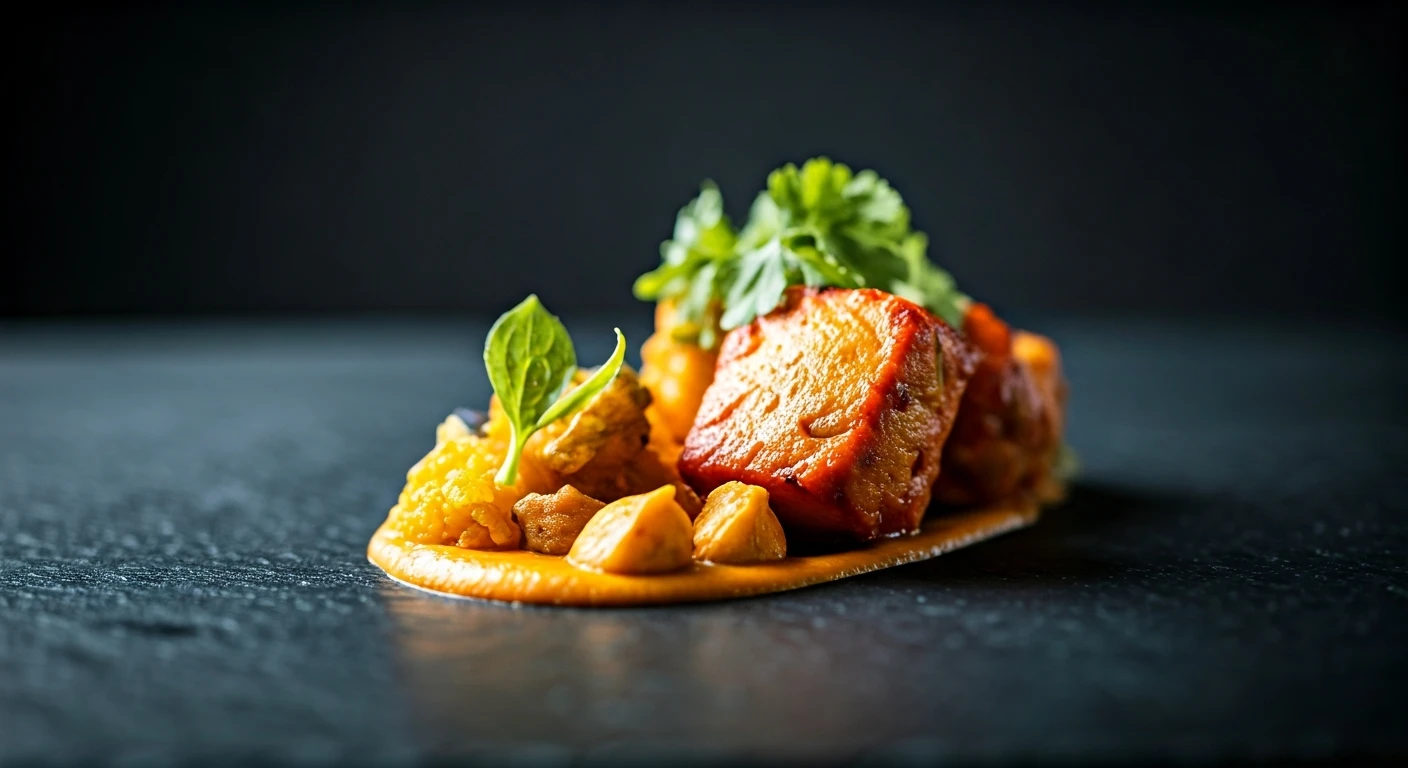
or an afterthought, but as the main event—celebrated for their own texture, flavor, and integrity. Forget the mushy, homogenous vegetable korma from the all-you-can-eat buffet. Think instead of a whole roasted cauliflower seasoned with turmeric and black salt, a crispy okra dish that crackles with every bite, or a delicate squash curry that highlights the ingredient’s sweetness. This movement is about creativity, technique, and placing produce on the pedestal it has always deserved in traditional Desi kitchens, but rarely received in Western restaurants.
Meet the New Guard
This culinary renaissance is being led by a dynamic group of chefs and restaurateurs who are challenging diners' expectations. Figures like Chintan Pandya of New York's acclaimed Dhamaka and Semma have earned national praise for serving unapologetically regional and ingredient-focused dishes. At Dhamaka, you won’t find chicken tikka masala, but you might find a Bharela Marcha, a complex dish of paneer-stuffed peppers. At Semma, which focuses on Southern Indian cuisine, dishes built around venison and snails share menu space with stunning preparations of drumstick leaves and plantains. Similarly, Meherwan Irani of Chai Pani (crowned America's most outstanding restaurant in 2022) has built an empire on making the bright, vibrant flavors of Indian street food and home cooking accessible. These chefs are storytellers, using their menus to transport diners to specific regions, villages, and family dinner tables.
A Celebration of Regional Roots
What feels like a 'new' trend to many Americans is, in reality, a return to the roots. The monolithic idea of 'Indian food' was largely a British colonial invention, codified and exported as a predictable menu of creamy, Punjabi-style dishes. But India itself is a subcontinent of staggering culinary diversity, with thousands of distinct food traditions. The coastal cuisines of Kerala and Goa, the lentil-based dishes of Rajasthan, and the fermented foods of the Northeast are all wildly different, and many are overwhelmingly plant-based. The current 'veggie-forward' moment is less an invention and more a discovery—or rather, an *uncovering*. Second- and third-generation Desi Americans are digging into their own specific heritages, celebrating the food of their parents and grandparents, and realizing that the most exciting flavors were there all along, waiting to be shared.
Why Now? The Perfect Culinary Storm
This Desi food evolution is converging perfectly with broader American cultural shifts. Firstly, there's the unstoppable rise of plant-based and plant-curious eating. Diners are actively seeking out more interesting and flavorful ways to eat vegetables, and this new wave of Desi cuisine offers an answer that is thousands of years old and infinitely more compelling than a lab-grown burger. Secondly, there's a growing appetite for authenticity and specificity. Modern diners, armed with Instagram and a global palate, are tired of generic ethnic food. They want to know the story behind the dish, the region it comes from, and the culture that created it. This veggie-forward Desi movement provides all of that: a rich history, a compelling modern narrative, and, most importantly, food that is complex, surprising, and deeply satisfying.