



1. Squeeze, Don't Rub
The first instinct after a shower is often to vigorously rub your hair with a coarse bath towel. Resist it. Wet hair is at its most fragile, and that friction roughs up the hair cuticle, leading to frizz, breakage, and split ends. Instead, gently squeeze
and blot sections of your hair to remove excess water. For an even better result, swap your standard terrycloth towel for a microfiber version or even a soft, old cotton T-shirt. These materials are much smoother and absorb water without causing unnecessary damage, leaving your hair's cuticle intact and ready for the next step.
2. Condition from the Mid-Lengths Down
Conditioner is your hair's best friend, but only when applied correctly. Most people don't need heavy conditioning at the scalp, where natural oils are already present. In fact, applying it at the roots can weigh down fine hair and lead to greasy buildup. Focus your conditioner on the mid-lengths and ends, which are the oldest and most damage-prone parts of your hair. Let it sit for at least a minute (or as directed) to allow the ingredients to penetrate the hair shaft before rinsing. A cool water rinse can help seal the cuticle, locking in moisture and boosting shine.
3. Detangle Gently and Strategically
Ripping a brush through tangled, wet hair is a recipe for disaster. To prevent snapping and tearing, use a wide-tooth comb or a brush specifically designed for wet hair. The key is to start from the bottom and work your way up. Gently detangle the ends first, then move up a few inches at a time until you can comb smoothly from root to tip. If your hair is particularly prone to knots, apply a detangling spray or leave-in conditioner before you even pick up the comb. This provides slip, making the process much easier and far less damaging.
4. Layer Your Products Correctly
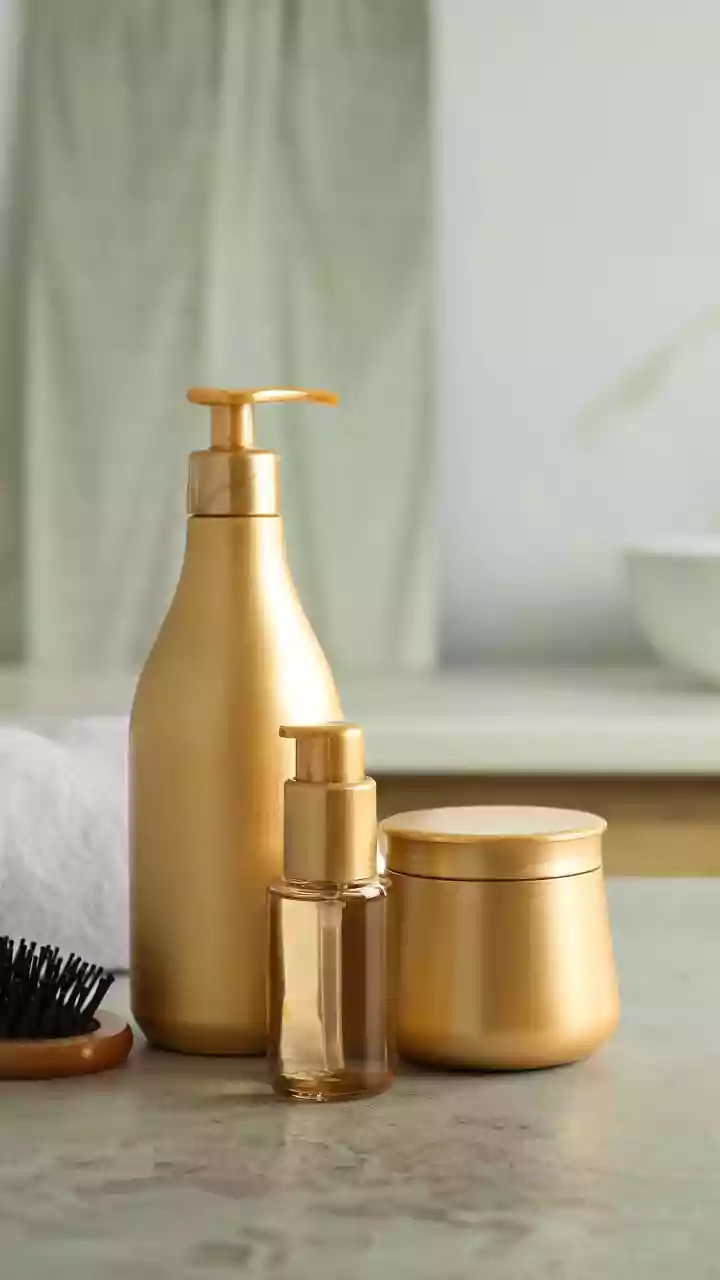
The order in which you apply your styling products matters. Think of it like skincare: you want to go from the lightest product to the heaviest. A good rule of thumb is to start with a water-based leave-in conditioner or detangler to add moisture and manageability. Next, apply any targeted treatments, like a mousse for volume or a curl cream for definition. Finally, seal everything in with a hair oil or serum, focusing on the ends to combat dryness and add shine. This layering technique ensures each product can do its job effectively without being blocked by a heavier one.
5. Always Use a Heat Protectant
This is the single most important, non-negotiable step if you plan to use any kind of heat styler—including your blow dryer. Heat protectants work by creating a protective barrier between your hair and the hot tool, reducing moisture loss and minimizing damage to the hair's protein structure. Think of it as sunscreen for your strands. Even if you’re just doing a quick rough-dry, a few spritzes of a quality heat protectant can make a huge difference in the long-term health and integrity of your hair. Apply it evenly to damp hair before the heat ever touches it.
6. Rethink Your Air-Drying Technique
Letting your hair air-dry is a great way to give it a break from heat, but a little technique can elevate the results from frizzy to flawless. For wavy or curly hair, try “plopping”—gathering your hair into a T-shirt or microfiber towel on top of your head to encourage curl definition without gravity stretching them out. For straight or fine hair, applying a smoothing cream and combing it into place can help it dry neatly without flyaways. You can also try loosely braiding damp hair or twisting it into a bun to create soft, heatless waves as it dries.