





The End of Cardio's Reign
Remember the 2000s and 2010s? It seemed like everyone you knew was training for a marathon. The 13.1 and 26.2 stickers on the back of cars were badges of honor, and high-intensity interval training (HIIT) classes promised to torch calories in punishing,
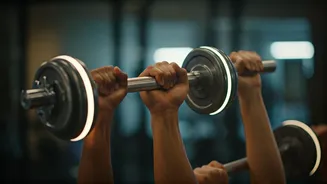
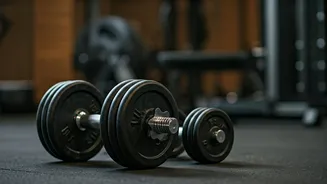
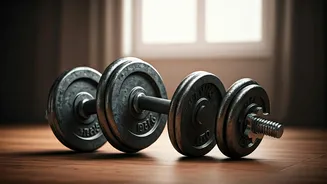
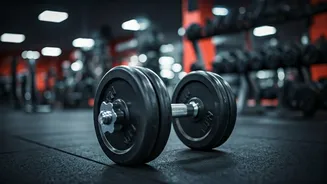
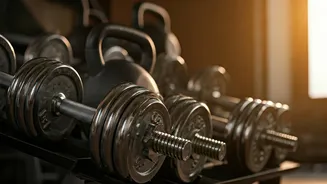
sweat-drenched sessions. The reigning philosophy was clear: to be fit was to be lean, and to be lean, you had to run, cycle, or sweat your way through endless cardiovascular work. The goal was often endurance and calorie burn, a race toward a smaller version of yourself. But that cultural dominance is fading. While cardio remains a vital component of a healthy lifestyle, it no longer holds the top spot in the fitness zeitgeist. The new champion is its heavier, slower, and arguably more powerful counterpart: strength training. The clank of iron has replaced the whir of the treadmill as the defining sound of modern fitness. The race isn't about how far you can run, but how strong you can become.
More Than Just Building Muscle
So, what’s behind this tectonic shift? A deeper, more sophisticated understanding of what it means to be healthy. The old stereotype of strength training—that it was only for bodybuilders chasing cartoonish biceps—has been thoroughly debunked. The science is now mainstream: lifting weights does far more than just build visible muscle.
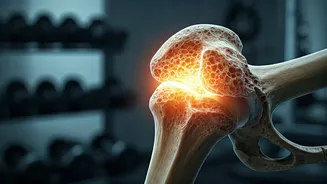
Strength training is a powerful tool for longevity. As we age, we naturally lose muscle mass in a process called sarcopenia, which contributes to frailty and a lower quality of life. Resistance training is the single most effective way to combat this, preserving functional independence for decades. It also builds bone density, a critical defense against osteoporosis, particularly for women. Furthermore, muscle is metabolically active tissue. The more muscle you have, the more calories you burn at rest, making it a cornerstone of long-term body composition management, rather than just short-term weight loss.
The New Face of Strength
Perhaps the biggest driver of this trend is the changing demographic in the weight room. Women, once largely steered toward the yoga studio or elliptical machine, are now embracing strength training in record numbers. The cultural narrative has shifted dramatically from an obsession with “toning” and “getting smaller” to a celebration of getting stronger. This is about empowerment, not just aesthetics.
On social media platforms, female powerlifters, CrossFit athletes, and everyday women documenting their lifting journeys have become major influencers. They showcase strength as a source of confidence and capability. This new representation has made the weight room feel more accessible and aspirational to a group that was previously underserved or intimidated. The goal is no longer about fitting into a certain dress size but about celebrating what your body can *do*.
The Psychology of Progress
Finally, strength training is winning because it offers something many other forms of exercise don't: clear, measurable, and deeply satisfying progress. While you can run faster or longer, the feedback loop of lifting is more immediate. Adding another five pounds to your deadlift, achieving your first pull-up, or mastering a new movement provides a tangible sense of accomplishment that is powerfully motivating.
This objective progress builds mental resilience and self-efficacy. It’s a physical practice that translates directly into a psychological reward. In a world that often feels chaotic and out of our control, the gym provides a space where effort and consistency yield direct, undeniable results. It’s a workout for the body that doubles as a powerful workout for the mind.