


The Land of Lamas and Lunarscapes
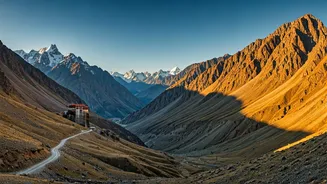
Tucked away in the northeastern corner of the Indian state of Himachal Pradesh, the Spiti Valley is a world apart. Often compared to Tibet, its name literally means “The Middle Land,” as it sits between India and Tibet. This is not your lush, green Himalayan
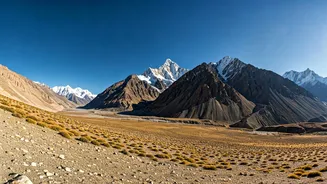
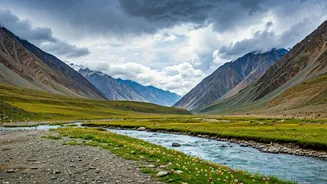
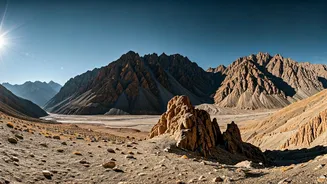
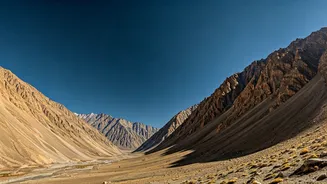
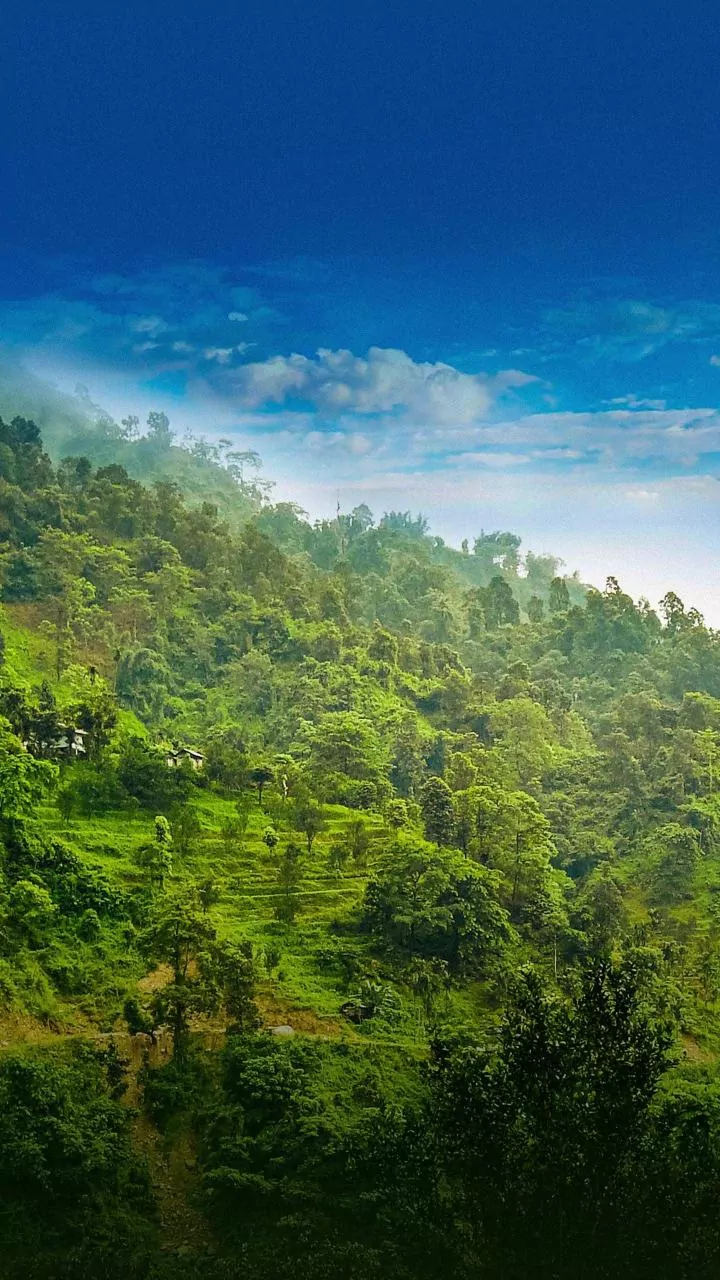
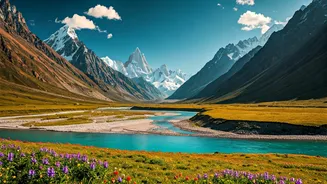
fantasy; this is a cold desert of dramatic, barren mountains, deep gorges carved by the turquoise Spiti River, and villages that seem to have been here since the dawn of time. For American travelers accustomed to national parks, think of the vastness of the Grand Canyon combined with the high-altitude austerity of the Rockies, but with a thousand-year-old layer of Tibetan Buddhist culture. Prayer flags flutter on every pass, and whitewashed monasteries cling to cliffs, offering a profound sense of peace and permanence.
Why June is the Golden Window
Timing is everything in Spiti. For most of the year, the valley is cut off from the outside world by heavy snowfall that buries the high mountain passes. June marks the magical reopening. This is when the treacherous Kunzum Pass (14,931 ft) and Rohtang Pass, the primary gateways, are cleared of snow, making the stunning road trip possible. The weather in June is near-perfect: crisp, sunny days ideal for sightseeing and trekking, with chilly nights that remind you you're over 12,000 feet up. The landscape, having just emerged from winter, is at its most raw and dramatic. You get all the access and good weather before the peak monsoon rains of July and August can cause landslides and disrupt travel in the lower Himalayas, making June the undisputed sweet spot for this adventure.
Kaza: Your High-Altitude Base Camp
At an elevation of about 12,500 feet, Kaza is the sub-divisional headquarters of the Spiti Valley and will be your primary hub. It's a small, bustling town with a frontier feel. This is where you’ll find guest houses, restaurants serving local and international food, and the essential services you’ll need. But Kaza is more than just a place to sleep. It’s the perfect base for acclimatizing to the thin air. Spend a day or two exploring its small market, visiting the local monastery, and sipping coffee at one of the surprisingly chic cafes that have popped up to serve travelers. Don’t miss the photo-op at the “World’s Highest Retail Outlet” gas station—a quirky testament to life at the top of the world. From Kaza, the rest of the valley’s wonders are within reach.
Key Monastery: A Spiritual Peak
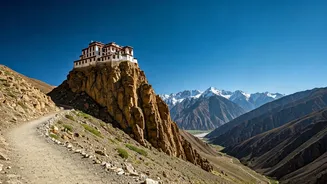
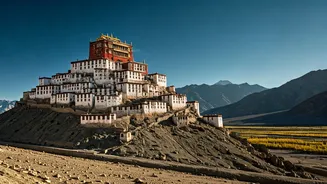
Perched on a conical hill overlooking the Spiti River, the Key Monastery (also spelled Ki or Kye) is the valley’s most iconic landmark and its spiritual heart. It is a labyrinth of rooms, prayer halls, and narrow corridors stacked on top of one another, resembling a fortress of faith. Believed to have been founded in the 11th century, it is the biggest monastery in Spiti and home to hundreds of lamas. Visiting is a surreal experience. You can walk through ancient halls adorned with vibrant murals and priceless thangkas (Tibetan Buddhist paintings), witness young monks chanting their lessons, and maybe even share a cup of butter tea with a resident lama. The real reward, however, is the view from the top. The panoramic vista of the vast valley, the winding river, and the snow-capped peaks is a moment of pure, breathtaking awe that etches itself into your memory.
The Journey is the Destination
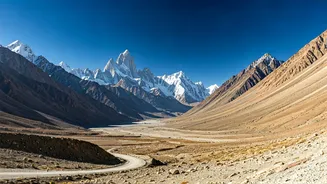
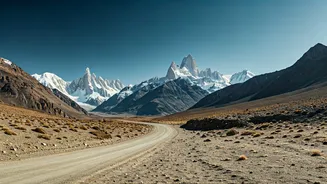
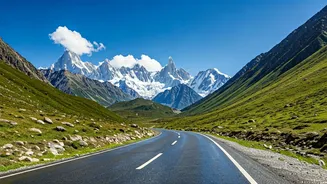
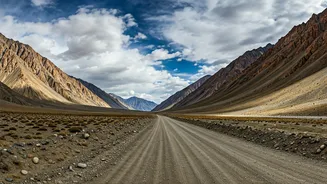
Getting to Spiti is an adventure in itself and a core part of the “goal.” There are no airports or train stations here. The most common route is a multi-day road trip from Manali (a journey of about 10-12 hours, but best broken up) or a longer, more gradual route from Shimla. The roads are a mix of pavement and gravel tracks, with hairpin bends and dramatic drop-offs. This isn't a trip for the faint of heart, but the scenery is spectacular. Most importantly, the long drive helps you acclimatize. Altitude sickness is a real risk here, so planning a slow ascent is crucial. Hiring a local driver with a capable 4x4 is the standard and safest way to go. They know the roads, the conditions, and the best places to stop for a plate of momos (dumplings). The journey isn't just transit; it’s an integral part of the pilgrimage.