



The Old Model: The Grand Escape
For decades, the idea of a “wellness trip” conjured a specific image: a significant, often expensive, journey to a remote location. Think of a seven-day yoga retreat in Costa Rica, a detox spa in Arizona, or a silent meditation course that required you
to unplug completely. The goal was intervention. You’d arrive burned out, stressed, and disconnected, and through a rigorous program, you’d emerge “fixed”—at least for a little while. This model treated wellness as a destination, a prize to be won after a period of intense work and stress. It was a pressure-release valve, designed for a dramatic reset. The problem? The effects were often fleeting. After returning to the same stressful job and hectic daily life, the blissed-out feeling would fade, and the cycle of burnout would begin again, with the next grand escape shimmering on the horizon as the only solution.
The New Rule: Integration Over Intervention
The new philosophy of wellness travel is less about dramatic fixes and more about sustainable practices. It’s moving from an annual event to a regular habit. Instead of one big trip, people are opting for multiple, shorter, and more accessible breaks that integrate seamlessly into their lives. It's the difference between a crash diet and a sustainable lifestyle change. The focus is no longer on escaping life, but on enhancing it. This new approach recognizes that well-being isn’t achieved in a single week; it’s cultivated through consistent, positive inputs. A weekend hiking trip a few hours from home, a monthly visit to a local hot spring, or even extending a business trip by a day to focus on rest and recovery all fall under this new umbrella. The goal isn't a total transformation, but a gentle, consistent recalibration.
What's Driving This Shift?
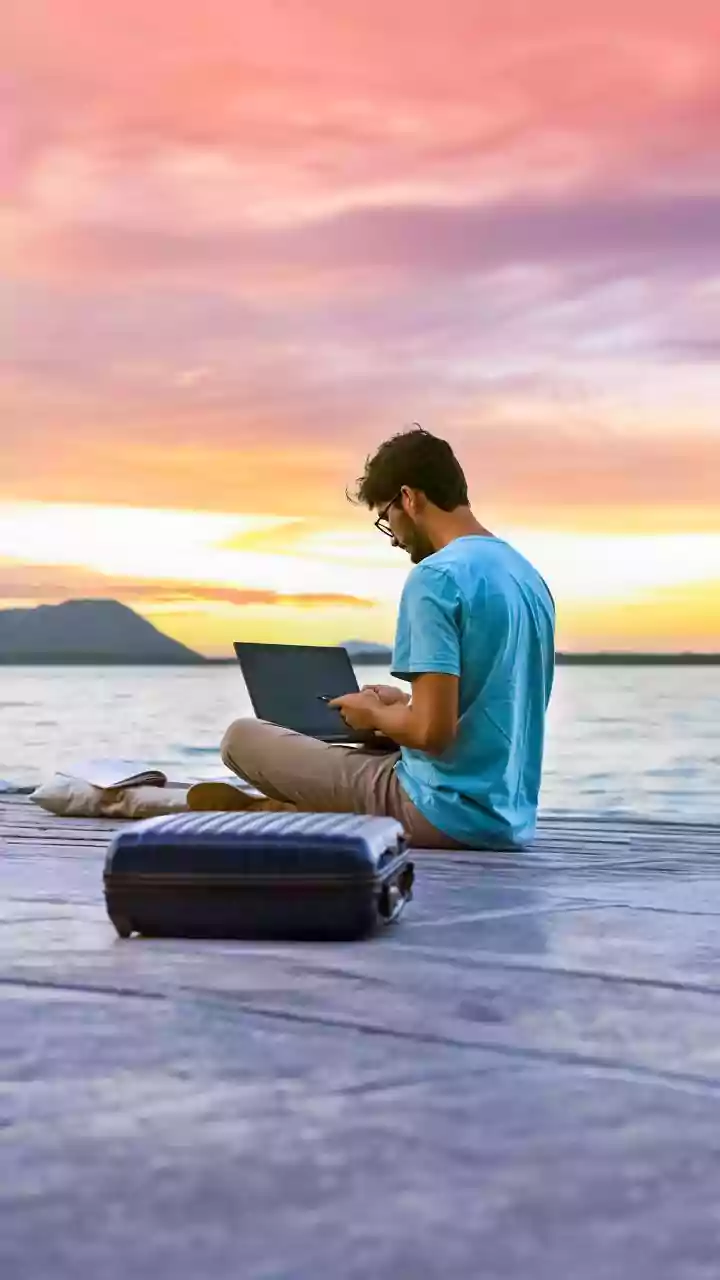
Several cultural and economic forces are fueling this change. First, there's a growing awareness of chronic burnout. Americans are realizing that one week off a year isn’t enough to counteract 51 weeks of constant stress. This has led to a demand for more frequent, low-lift opportunities to recharge. Second, the rise of remote and flexible work has blurred the lines between travel, work, and life. If you can work from anywhere, you can also weave wellness into your travels more easily. A “workcation” might include morning yoga, afternoon hikes, and focused work sessions in between. Finally, the conversation around mental health has matured. We now understand that mental and emotional well-being require ongoing maintenance, much like physical fitness. This has destigmatized taking time for oneself and reframed it as a necessary routine, not an indulgent escape.
What Routine Wellness Travel Looks Like
So what does this look like in practice? It’s often simpler and closer to home than you’d think. It might be a three-day stay at a hotel known for its exceptional gym and healthy food menu, allowing you to maintain your fitness routine while getting a change of scenery. It could be a “nature bathing” weekend in a nearby national park, focused on de-stressing through immersion in the outdoors. This trend also includes the rise of hotels and resorts that offer “a la carte” wellness. Instead of a mandatory, all-inclusive program, guests can pick and choose: a guided meditation here, a cooking class there. This allows travelers to define wellness on their own terms. The key theme is accessibility—in terms of time, cost, and geography. The most effective wellness routine is the one you can actually stick with, and the travel industry is finally catching on.