


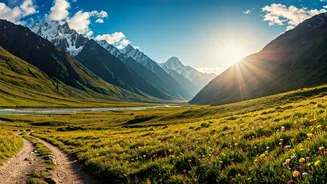
A Modern Exodus From The Heat
When temperatures in New Delhi can soar past 120°F, staying put isn't just uncomfortable; it's dangerous. In recent years, India has been battered by relentless and record-breaking heatwaves, turning its sprawling, vibrant cities into concrete ovens from
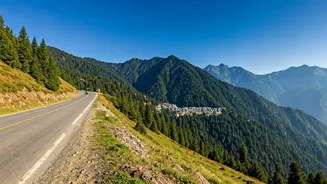
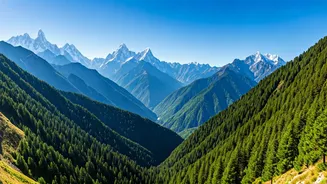
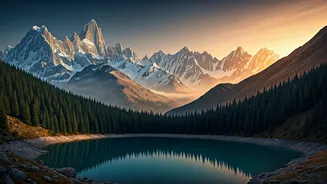
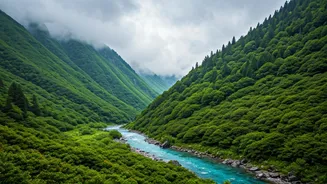
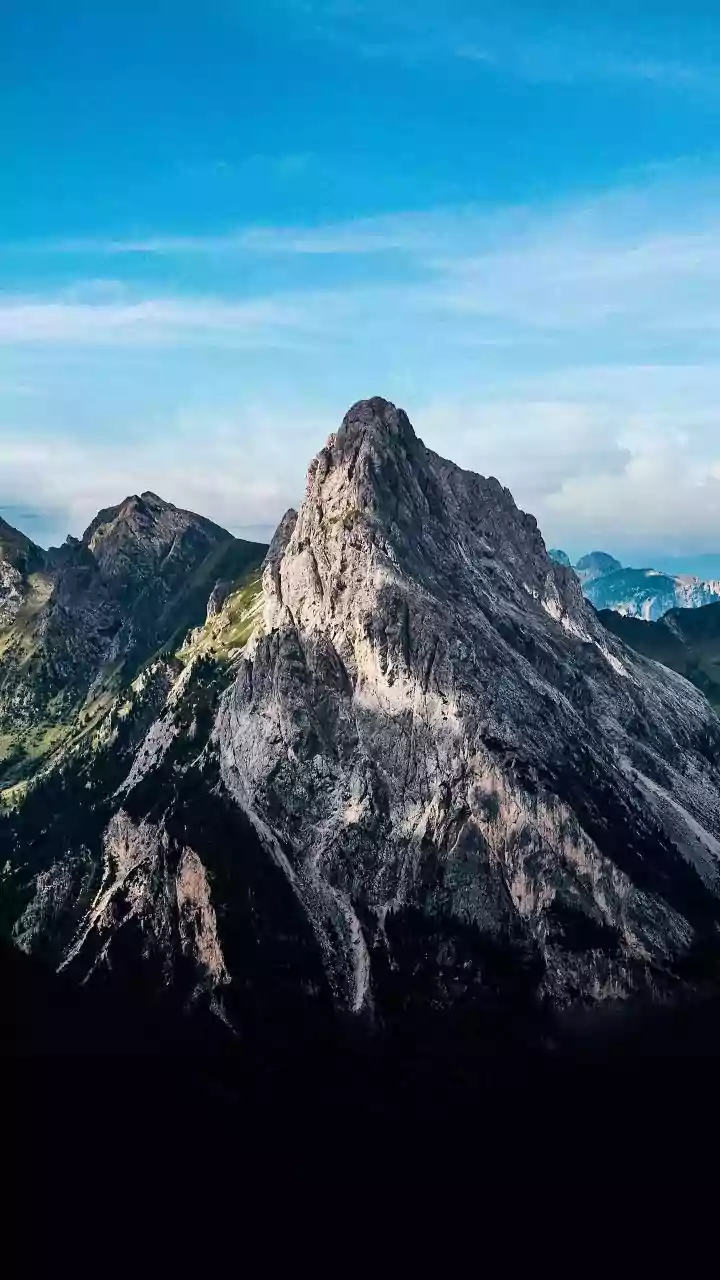
April through July. In response, a massive seasonal migration is underway. Millions of Indians are packing their bags, booking trains, and piling into cars, all with a single destination in mind: up. They are fleeing the scorched plains for the cool, crisp air of the nation's mountain ranges, turning former sleepy towns into bustling, life-saving sanctuaries.
Echoes of the British Raj
This phenomenon isn't new; it's a modern reboot of a colonial tradition. During the 19th and early 20th centuries, the British rulers of India, unaccustomed to the subcontinent's punishing summers, established 'hill stations'—high-altitude towns designed as seasonal capitals and resorts. Places like Shimla in the Himalayas became the summer capital of British India, allowing administrators and their families to govern and socialize in the cool mountain climate. Today, Indians are reclaiming this practice not as a colonial luxury, but as a middle-class necessity. The infrastructure the British built to escape the heat now serves as the foundation for a massive domestic tourism boom driven by climate change.
The Himalayan Hotspots
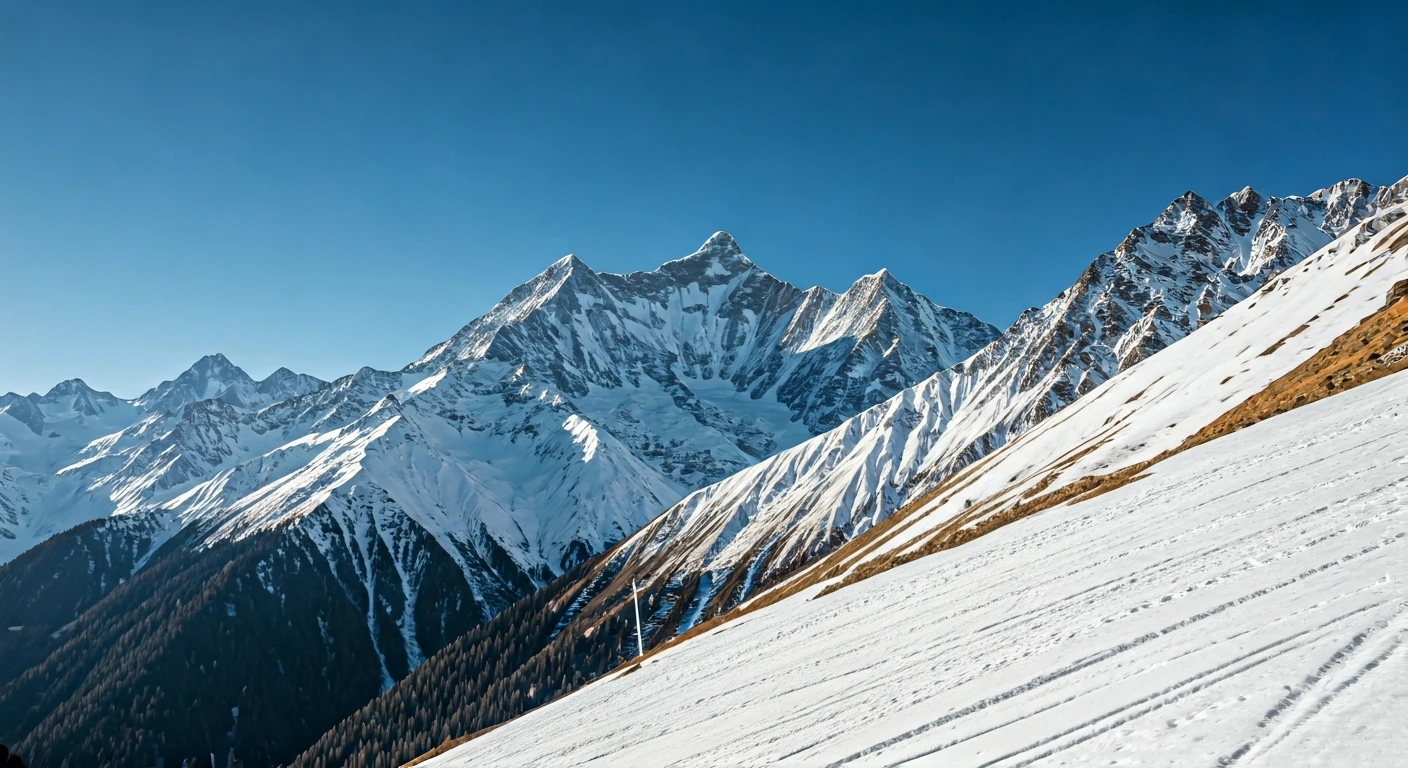
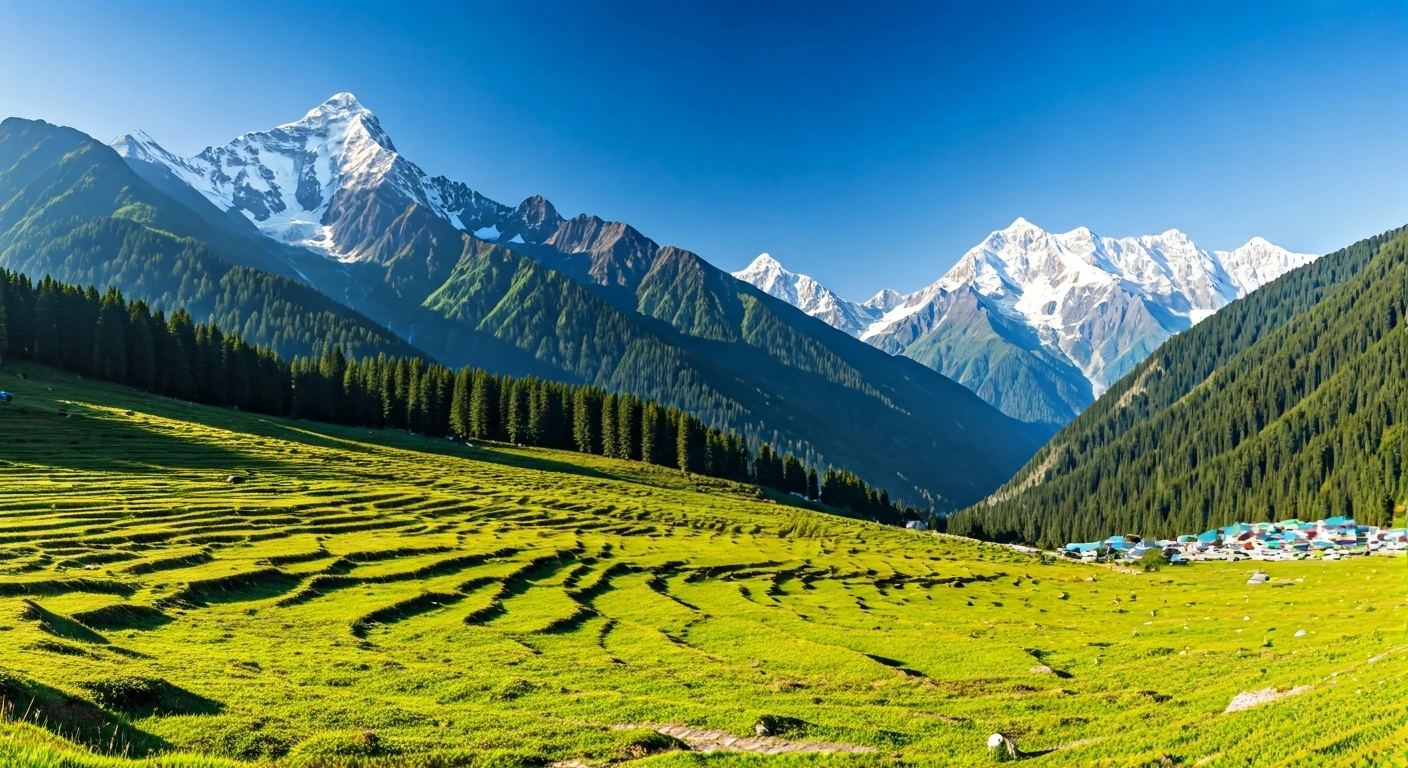
The destinations of choice are legendary. Shimla, the former British summer capital, still exudes a colonial charm with its Victorian architecture and pedestrian-only Mall Road. Further north, Manali offers a more bohemian vibe, attracting adventure seekers with its access to trekking, paragliding, and rafting in the Beas River. In the east, Darjeeling, famous for its tea plantations, offers breathtaking views of Kangchenjunga, the world's third-highest peak. And in the south, the rolling green hills of Ooty and Munnar provide a verdant, cool respite from the humid coastal heat. Each destination offers the same core promise: a dramatic drop in temperature, clean air, and a stunning natural backdrop that feels a world away from the city.
The 'Work from Mountains' Era
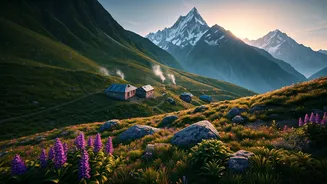
The rise of remote work has supercharged this trend. Before, a mountain escape was a one- or two-week vacation. Now, for the growing number of Indians in the tech and service industries, it can be a three-month-long 'workation.' Young professionals and families are renting apartments and cottages for the entire summer, trading their city commute for a morning walk through pine forests. This has created a new class of seasonal residents who bring their city salaries to mountain economies, transforming local cafes into co-working spaces and creating a hybrid culture that blends urban ambition with mountain tranquility.
A Paradise Under Pressure
But this mass escape comes at a cost. The sudden, massive influx of people puts an immense strain on the fragile mountain ecosystems and their limited infrastructure. Traffic jams clog narrow mountain roads, water shortages become common, and plastic waste piles up. Overtourism threatens the very peace and natural beauty that people come seeking. Local governments are struggling to balance the economic benefits of tourism with the urgent need for sustainable development and environmental protection. This annual migration is a double-edged sword: a lifeline for those escaping the heat, but a potential threat to the long-term health of the mountains themselves.