
The Symphony of Classic Chaat
To understand the shift, you have to appreciate the original. Chaat is less a specific dish and more a category of savory snacks, a riot of flavor and texture in a single bowl. The word itself means “to lick,” a fitting verb for food so craveable you want
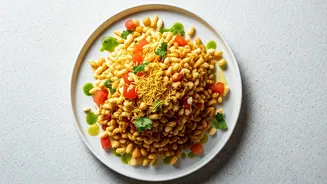
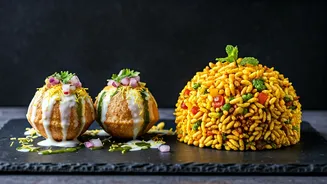
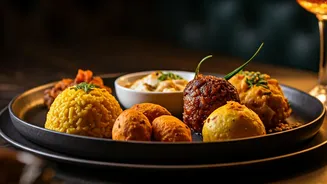
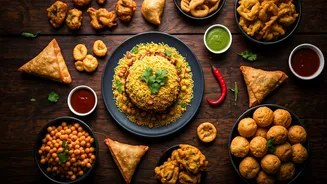
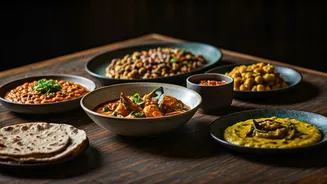
to get every last drop. At its heart, classic chaat is a study in contrasts: the crunch of fried puri or crispy sev noodles, the soft give of boiled potatoes and chickpeas, the cooling tang of yogurt, the sweet shock of tamarind chutney, and the slow-burn heat of mint-cilantro chutney. It’s unapologetically bold, a flavor bomb traditionally sold from street carts in Delhi and Mumbai, meant to be eaten immediately, standing up. Dishes like pani puri, bhel puri, and samosa chaat are cornerstones of comfort, beloved for their robust, satisfying, and often fried, components.
An Evolution, Not a Diet
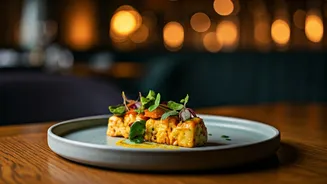
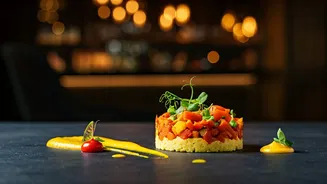
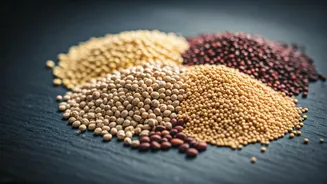
The new wave of chaat isn't about creating a “diet” version. It’s not about subtraction, but re-imagination. Forward-thinking chefs, particularly in the U.S., are applying a fine-dining or health-conscious lens to these street food classics. They are asking: What if we built those same flavor profiles—sweet, sour, spicy, tangy—with different building blocks? This movement swaps some of the heavier elements for ingredients that are fresher and more seasonal. You might find kale or roasted Brussels sprouts providing the crunch instead of fried dough. Puffed quinoa or black rice might stand in for puffed white rice in bhel puri. Avocado, with its creamy texture, might replace some of the potato, and delicate yogurt foams are sometimes used instead of thick, heavy dollops of dahi.
From Street Cart to Chef's Counter
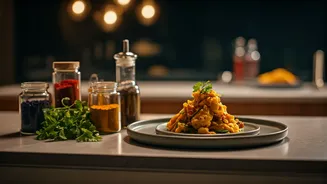
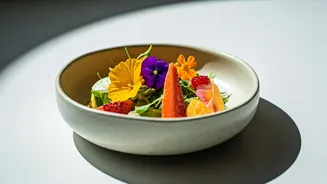
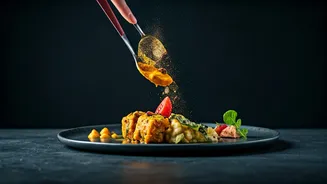
This trend is being driven from the top down, by a generation of Indian-American chefs who grew up with traditional flavors but trained in modern culinary techniques. At celebrated restaurants across the country, chaat is getting a sophisticated makeover. Instead of being a jumble in a paper bowl, it might arrive deconstructed, with each component perfectly placed. This elevation allows chefs to showcase high-quality, local ingredients—a farmers market ethos that isn’t always central to traditional street food. By putting chaat on their menus, chefs like Chintan Pandya of New York’s Dhamaka or Meherwan Irani of Chai Pani (with locations across the South) are doing more than just serving food; they are making a statement. They are declaring that Indian food is not a monolith and that its most humble dishes deserve the same creative respect as any other cuisine.
Why Brighter and Lighter Now?
The timing for this chaat renaissance makes perfect sense. American diners are more knowledgeable and adventurous than ever, eager to explore the regional nuances of global cuisines. Simultaneously, there’s a broader cultural shift toward wellness and mindful eating. Diners are looking for food that feels both indulgent and nourishing. Lighter chaats hit that sweet spot perfectly. They offer the complex, exciting flavors people crave without the post-meal heaviness. This approach also appeals to a growing segment of second- and third-generation Indian-Americans who are looking for new ways to connect with their heritage—ways that fit into a modern, health-aware lifestyle. It’s a culinary expression of a dual identity, honoring the past while embracing the present.