




Festival of the Sacred River: Ganga Dussehra
Before you check your calendar, know that many Indian festivals follow a lunisolar calendar, so their dates shift annually. Often falling in late May or early June, Ganga Dussehra is a perfect example of the deep spiritual currents running through the culture.
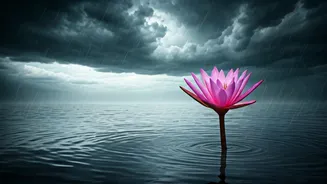
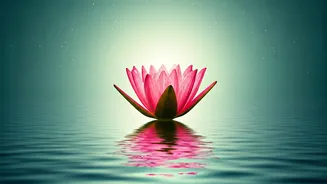
This ten-day festival celebrates the mythological descent of the sacred river Ganges (Ganga) from the heavens to Earth. In India, millions flock to riverbanks in cities like Varanasi and Haridwar for ritual baths, prayers, and offerings. For the Indian diaspora in the U.S., the observance is more personal. It’s a time for reflection, charity, and connecting with spiritual roots. Many Hindu temples across the country hold special services, or 'pujas,' and families might prepare traditional foods. It’s less about a public spectacle and more about a quiet, internal renewal, honoring the life-giving symbolism of water and purification that the Ganges represents.
The Global Stretch: International Day of Yoga
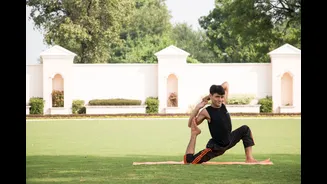
Here’s the fitness part of the equation, and it’s a big one. June 21st marks International Day of Yoga, a global event established by the United Nations in 2014 at India’s suggestion. The date is no accident—it's the summer solstice, the longest day of the year in the Northern Hemisphere, which holds spiritual significance in many parts of the world. What started as a diplomatic initiative has exploded into a worldwide wellness celebration. In the U.S., you’ll find massive, free yoga events in iconic locations like Times Square in New York City and the National Mall in D.C., often organized by Indian consulates and cultural centers. Local yoga studios, parks, and community groups also host special classes. It’s a brilliant piece of cultural diplomacy, showcasing one of India’s most famous exports not as a religious rite, but as a secular practice for physical and mental well-being accessible to everyone, regardless of age or fitness level.
The 'Awareness': A Fusion of Pride and Heritage
June is also Pride Month, and this is where a modern form of 'awareness' powerfully intersects with Indian culture. For years, LGBTQ+ individuals in the South Asian diaspora have been carving out spaces to celebrate their full identities. This has become increasingly visible and vital. Across the U.S., you'll find South Asian queer organizations marching in Pride parades, hosting film screenings, and organizing dance parties that blend Bollywood hits with Lady Gaga. Groups like the South Asian Queer + Trans Collective (SAQT) and regional organizations create events that are uniquely celebratory, offering a space where people don't have to choose between their cultural heritage and their sexual or gender identity. This is a different kind of festival—one of visibility, acceptance, and the joyful declaration that you can be Brown, queer, and proud, all at once. It’s a powerful expression of how a global movement is being shaped and enriched by a specific cultural community.
Honoring Fathers and Husbands: Vat Purnima
Another festival that often lands in June is Vat Purnima, primarily observed by married Hindu women in several Indian states. It's a day of devotion where women fast and tie threads around a banyan tree (Vat), praying for the well-being and longevity of their husbands. The ritual is inspired by the legend of Savitri, a determined princess who persuaded the god of death, Yama, to return her husband's life. While the practice of tying a thread around a massive banyan tree might be difficult in many parts of the U.S., the spirit of the festival endures. Women may visit temples that have a banyan tree on their grounds or use a small plant or image as a symbolic substitute. It’s a quiet, profound display of love and devotion that offers a window into the diverse tapestry of marital and familial traditions within Hinduism, standing in contrast to the more public-facing festivals.