


The New Visual Standard
Scroll through your social media feed, and you’ll see it: the meticulously arranged bowl, the perfectly drizzled sauce, the artful sprinkle of toppings. For years, this was the domain of professional food bloggers and influencers who turned eating into
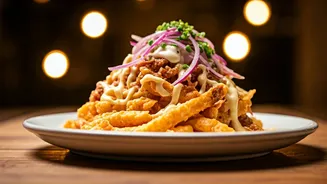
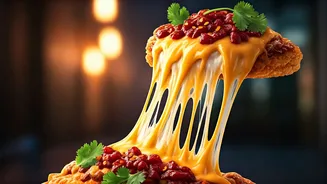
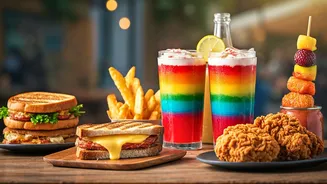
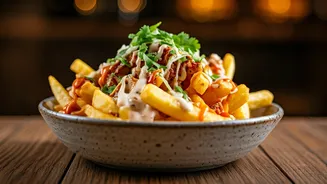
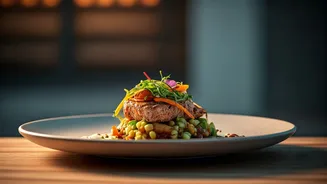
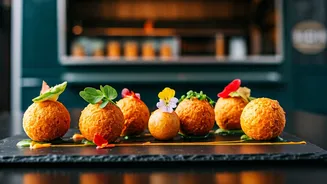
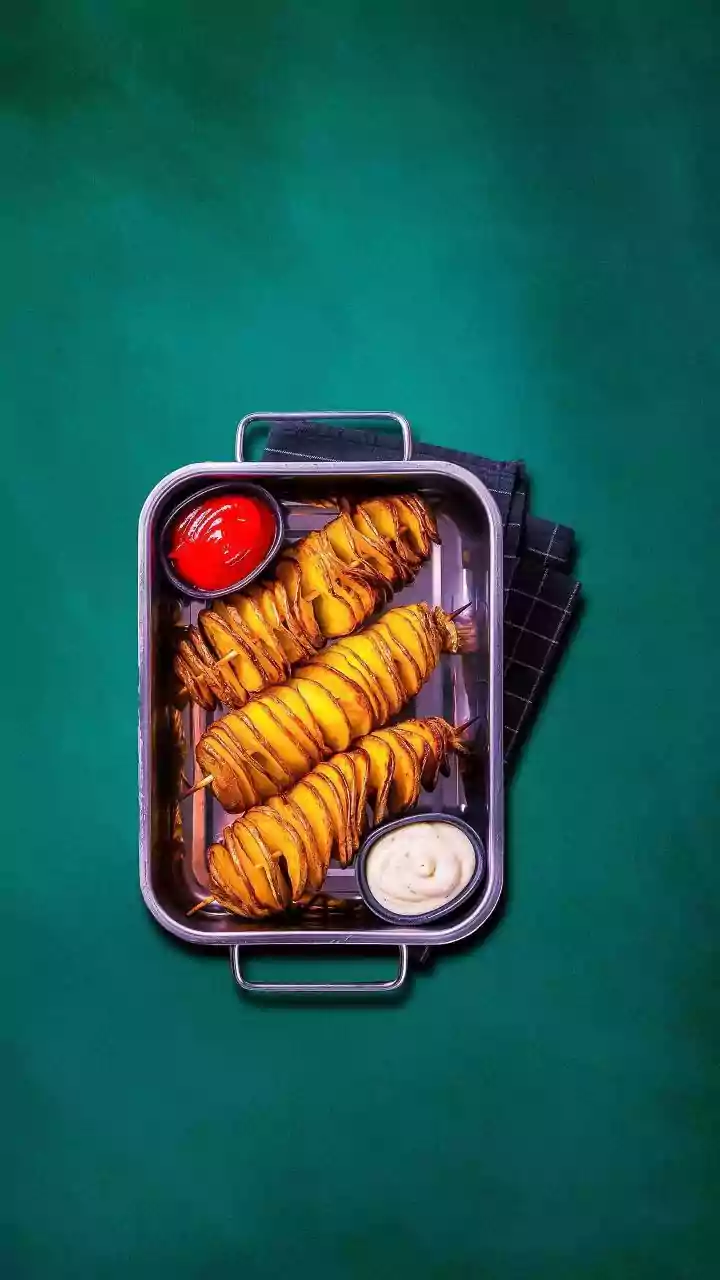
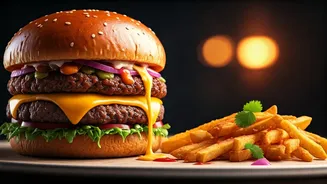
a visual art form. They taught us that food wasn't just for tasting; it was for staging. Now, that same visual language has migrated from the digital world to the physical one, showing up at food trucks, farmers' market stalls, and festival kiosks across the country. This isn't your grandfather’s hot dog on a plain bun. Today’s street food is styled. Think of elote (Mexican street corn) not just rolled in cheese but showered in a rainbow of Hot Cheetos dust and cilantro. Imagine a simple cup of lemonade layered into a vibrant ombré sunset. Or fries, once a humble side, now 'loaded' into a towering structure of pulled pork, jalapeños, and glistening cheese sauce. Every element is placed with an eye for composition, color contrast, and texture—all for the perfect photo.
It’s Not a Snack, It’s Marketing
Why would a vendor, often operating on thin margins and under time pressure, bother with such elaborate presentation? The answer is simple: it’s brilliant, free marketing. In the age of Instagram and TikTok, the most valuable currency is a customer’s post. A visually stunning snack is practically guaranteed to be photographed and shared, turning every customer into a potential advertiser. This phenomenon has been dubbed 'Instagram bait' or 'stunt food.' The vendor isn't just selling you a snack; they're selling you a photo opportunity. That $18 'Freakshake'—a milkshake overflowing with cake slices, cookies, and candy—isn’t priced for its ingredients alone. You’re paying for the spectacle. You're paying for the 'wow' moment that you can capture and share. Each tag, share, and story featuring their creation acts as a digital word-of-mouth recommendation, reaching thousands of potential new customers without the vendor spending a dime on traditional advertising. It's a self-perpetuating hype cycle, built one photogenic snack at a time.
The Anatomy of a Viral Treat
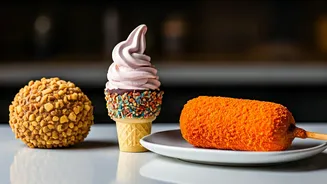
Creating a viral snack follows a surprisingly consistent formula. First, start with a familiar, beloved base. Think fries, hot dogs, ice cream, or grilled cheese. This makes the item approachable. Second, add an element of outrageousness or novelty. This could be an unexpected ingredient (like Flamin' Hot Cheetos on everything), an extreme size (the giant pretzel), or a dazzling visual gimmick (edible glitter, rainbow coloring). The goal is to create something that looks both delicious and slightly absurd—a combination that is irresistible to the social media algorithm. It needs to be something that stops a user mid-scroll. The visual composition is key. Toppings are piled high to create dimension. Sauces are drizzled in clean, graphic lines. Colors are deliberately contrasted to pop on a small phone screen. The food is no longer just food; it’s a carefully engineered piece of content designed for maximum engagement.
Are We Eating or Performing?
This trend also reveals something about our own behavior as consumers. We are no longer passive recipients of food. When we buy a photogenic snack, we are often participating in a performance. We line up for the shot, angle our phone to get the lighting just right, and compose a caption before the first bite. The experience of eating is now intertwined with the experience of documenting. In a sense, the vendors aren't the only ones styling the food; we are, too, by framing it for our personal online galleries. This collaboration between vendor and customer has reshaped the culinary landscape at the grassroots level. It has forced small businesses to think like creative directors and has turned our public spaces into interactive photo studios. The line between a food stall and a content creation hub is blurring, with every sale potentially kicking off a new wave of digital buzz.