




The Invasion of the 'Superfoods'
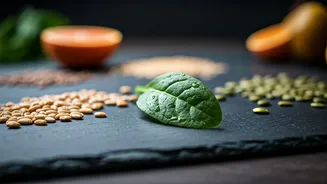
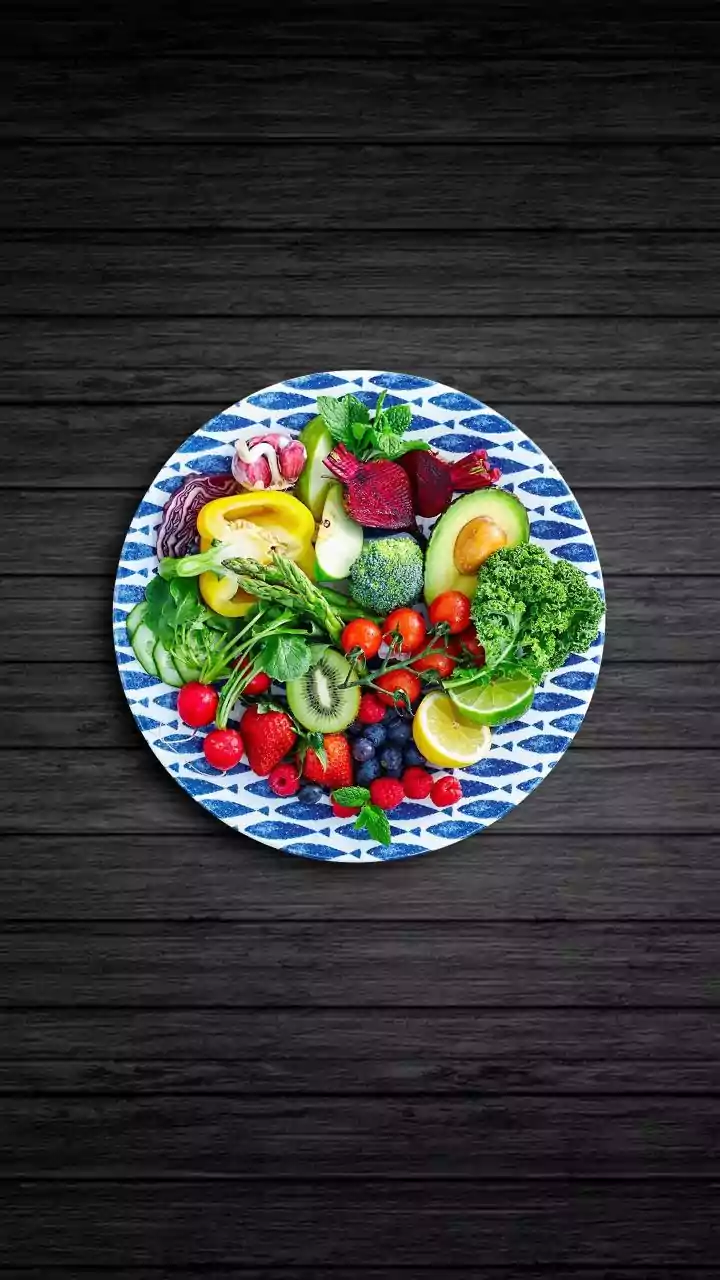
For years, urban India fell for the same diet traps as the West. The promise of rapid weight loss and glowing health led many to swap traditional meals for quinoa salads, avocado toast, and green smoothies. Imported kale and chia seeds became status symbols,
while nutritious local staples like rice and lentils were suddenly deemed 'unhealthy' carbs. Western diet culture, with its aggressive marketing and restrictive rules, had arrived, creating a landscape of confusion. Nutritionists found themselves advising clients who feared eating a banana but would happily down a processed protein bar. This 'quick-fix madness' promised a shortcut to wellness but often delivered little more than frustration and a disconnection from one's own food heritage.
A Return to Grandma's Kitchen
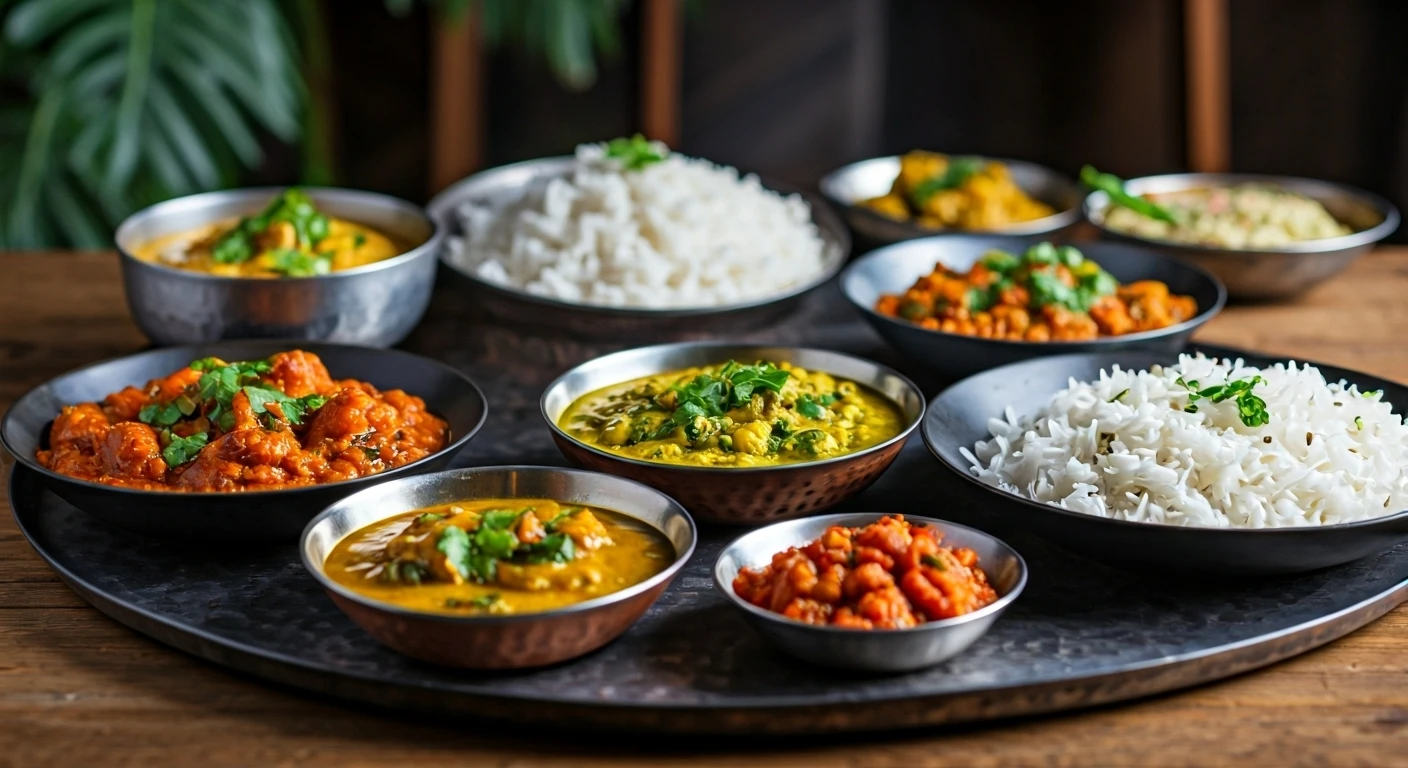
Now, the pendulum is swinging back with force. A new generation of Indian nutritionists and health advocates is leading a revolution by looking backward. Their message is refreshingly simple: the healthiest diet is the one your grandparents ate. Spearheaded by celebrity nutritionists like Rujuta Diwekar, whose philosophy is to “eat local, think global,” this movement champions ancestral food wisdom. It argues that centuries of cultural and geographical evolution have already perfected a diet for the people of a region. Instead of importing trends from California, they advocate for embracing the dishes and ingredients that are native, seasonal, and have nourished communities for generations. It’s not a 'diet' in the restrictive sense, but a return to common-sense eating.
The Core Principles of Un-Dieting
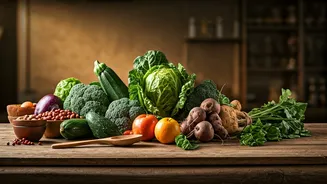
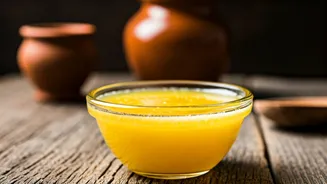
So, what does this back-to-basics approach actually look like? It’s less about specific recipes and more about a set of guiding principles. First, eat local and seasonal. This means eating mangoes in the summer and leafy greens in the winter, not strawberries flown halfway across the world in December. Second, it means not fearing traditional foods. White rice, which became a villain in the low-carb craze, is celebrated as an easily digestible and culturally vital grain. Ghee (clarified butter), once demonized as a 'bad' fat, is revered for its health benefits. The focus shifts from counting calories to assessing nutritional wisdom. It’s about eating a diverse range of foods, prepared simply and eaten mindfully, often in a specific sequence that aids digestion.
More Than Just Food
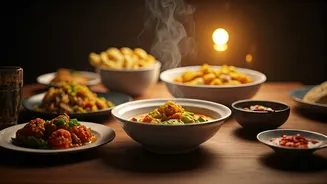
This philosophy extends far beyond the plate. It's a holistic approach to well-being that recognizes the interconnectedness of food, movement, and rest. The advice isn't just *what* to eat, but *how*. This includes eating at regular times, sitting down for meals instead of eating on the go, and even using your hands, which is believed to enhance the sensory experience and connection to food. It also places a strong emphasis on integrating regular, sustainable activity—not punishing hour-long HIIT sessions, but consistent movement like walking, yoga, or playing a sport. Paired with adequate sleep and stress management, food becomes just one part of a balanced, sustainable lifestyle, rather than the single, stressful focus of one's health journey.