








The Great American Regrowth
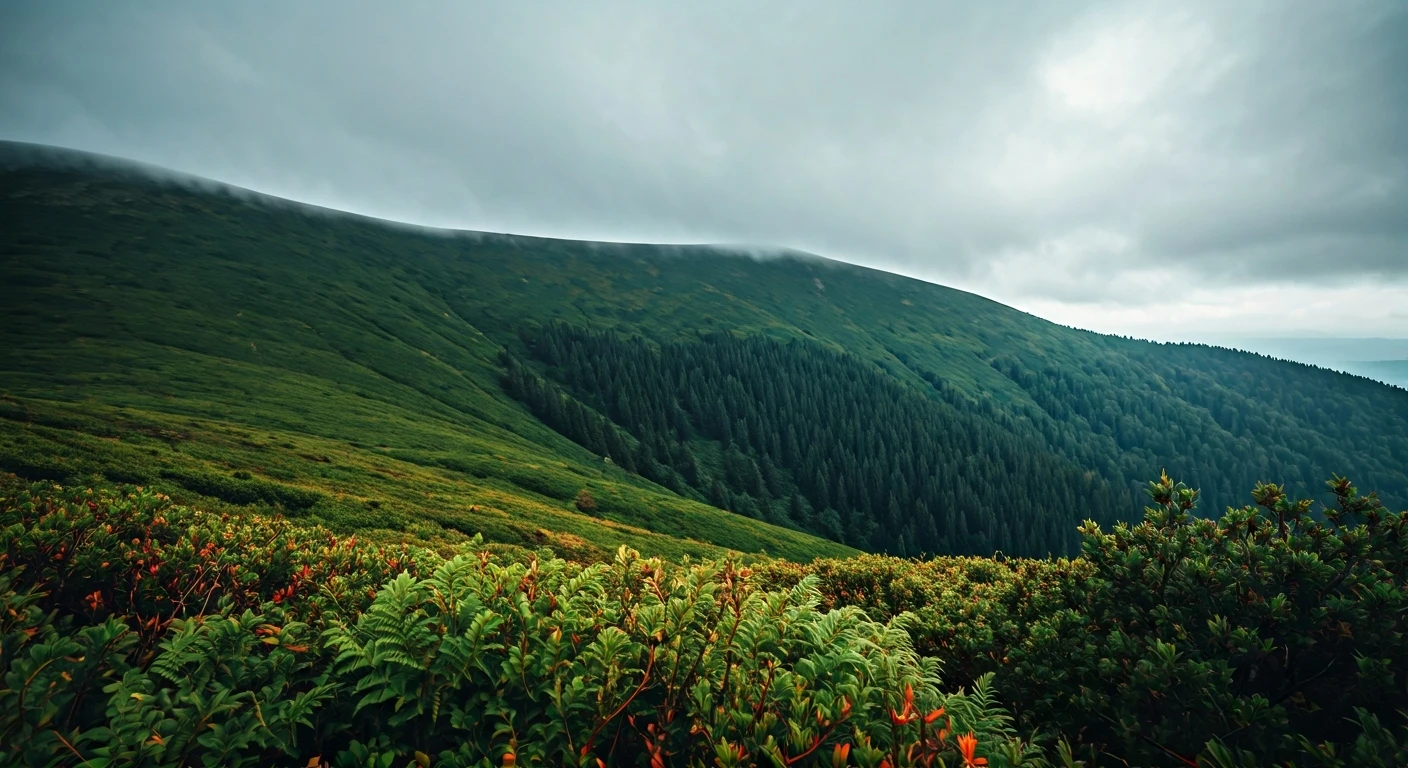
While we often picture a nation steadily losing its wild spaces, a quiet and remarkable reversal has been happening for over a century, particularly in the eastern United States. As agriculture shifted westward and industrialized, vast tracts of farmland
in New England, the Appalachians, and the Southeast were abandoned. Nature, ever opportunistic, moved back in. Today, states like Vermont, New Hampshire, and Pennsylvania are significantly more forested than they were in the late 1800s. This isn’t the same old-growth forest that once stood, but a resilient secondary forest teeming with life. These resurgent woodlands act as vital carbon sinks, filter our water, and provide habitats for species like black bears and wild turkeys, which have returned to regions where they hadn't been seen for generations. This comeback isn't a story of grand policy, but of economic change and nature's own powerful drive to heal when given the space.
Letting the Rivers Run Free
For much of the 20th century, America’s rivers were seen as little more than plumbing—things to be dammed, diverted, and controlled for power and irrigation. That thinking is changing. Today, the U.S. is the world leader in dam removal, a movement aimed at liberating rivers and restoring entire ecosystems. The most dramatic example is unfolding on the Klamath River along the California-Oregon border, the site of the largest dam removal project in history. For decades, its dams blocked salmon from their ancient spawning grounds, devastating fish populations and the Native American tribes who depend on them. Now, as the dams come down, the river is being reborn. This story is being repeated on a smaller scale across the country, from the Penobscot in Maine to the Elwha in Washington. Each removal is a powerful statement: we are learning to value a free-flowing, healthy river not just for what we can take from it, but for the life it sustains on its own.
The Invisible Success Story We Breathe
Perhaps the most profound yet least visible victory has been in the air we breathe. Anyone who remembers the smog-choked cities of the 1960s and 70s can attest to the difference. The turning point was the Clean Air Act of 1970, one of the most effective pieces of environmental legislation ever passed. Armed with a mandate to protect public health, the Environmental Protection Agency (EPA) set limits on key pollutants from cars and smokestacks. The results have been nothing short of spectacular. Since 1990, emissions of sulfur dioxide (which causes acid rain) are down over 90%, carbon monoxide is down over 70%, and the lead that once contaminated our gasoline is virtually gone from the air. This isn't just an environmental win; it's one of the greatest public health triumphs in American history, preventing hundreds of thousands of premature deaths and respiratory illnesses. While new challenges like wildfire smoke and ozone persist, the fight for clean air proves that decisive, nationwide policy works.