
1. Embrace Multi-Functionality
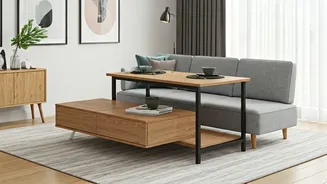
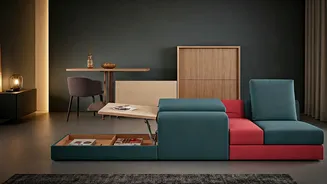
In a tiny home, every piece of furniture should earn its keep, and the best way to do that is to have it perform multiple jobs. This is the foundational principle of small-space design. Think beyond the classic pull-out sofa. Consider a coffee table that lifts
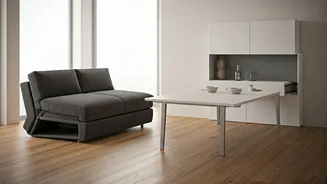
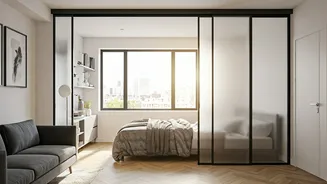
and expands to become a dining table for four, or a sleek ottoman that opens up to reveal hidden storage for blankets and board games. Convertible furniture has evolved far beyond clunky, awkward mechanisms. Today’s designs are often seamless and stylish, allowing you to transform a living room into a dining room or a bedroom in seconds, effectively giving you multiple rooms in one.
2. Go Vertical, Not Outward
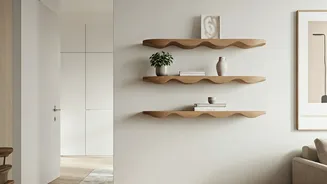
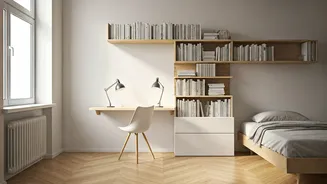
When you can't build out, build up. Floor space is the most precious commodity in a tiny home, so drawing the eye upward creates a sense of height and openness. This means investing in tall, narrow bookcases instead of wide, short ones. Loft beds are a classic tiny home solution for a reason: they free up the entire footprint underneath for a desk, a cozy reading nook, or extra storage. Wall-mounted shelves, floating nightstands, and hanging planters all help to clear the floor and make the room feel less cluttered and more expansive. Using vertical space tricks the brain into perceiving the room as larger than it actually is.
3. The Disappearing Act: Murphy Beds & Drop-Leafs
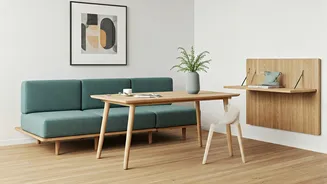
Some of the most effective space-saving furniture is the kind that isn't there when you don't need it. The Murphy bed is the undisputed champion in this category. By folding up into a cabinet or against the wall, it reclaims an entire room's worth of space during the day. Modern versions often include integrated shelving, a built-in desk, or even a sofa that sits at the base when the bed is away. On a smaller scale, the same logic applies to drop-leaf or gateleg tables. They can sit discreetly against a wall as a small console but expand to accommodate dinner guests when needed. This “now you see it, now you don’t” approach is key to a flexible living area.
4. Choose Visually Light Pieces
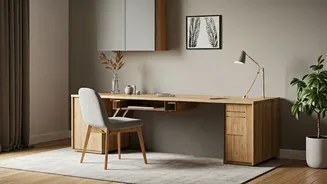
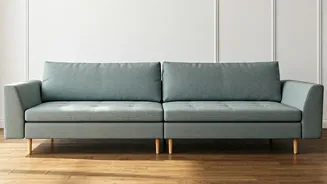
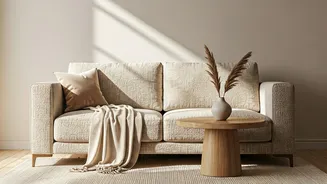
Not all furniture of the same size occupies the same amount of visual space. To make a room feel bigger, opt for pieces that feel “light” or “airy.” This often means furniture with exposed legs, like a mid-century modern sofa or a console table that you can see under. This negative space creates an uninterrupted sightline across the floor, making the room feel more open. Materials also play a huge role. Acrylic or glass coffee tables (often called “ghost” tables) are fantastic because they are functional without visually cluttering the space. Light-colored woods and fabrics also reflect more light, contributing to a brighter, more expansive feel compared to heavy, dark, solid-to-the-floor pieces.
5. Think in Modules
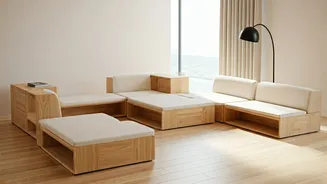
Modular furniture is a tiny home dweller’s best friend because it offers ultimate flexibility. A modular sofa can be rearranged from a traditional three-seater into a chaise lounge or two separate chairs, adapting to your needs in the moment. Modular shelving systems, like cube storage, can be stacked vertically, arranged horizontally, or even used as a room divider. This adaptability is crucial in a small space where your needs might change from day to day. You’re not locked into one fixed layout, allowing you to reconfigure your living area for entertaining, working from home, or simply a change of scenery.
6. Find Hidden Storage Everywhere
Clutter is the enemy of spaciousness. The best way to combat it is with clever, integrated storage. Platform beds with built-in drawers underneath are a non-negotiable for many tiny homeowners, providing a massive amount of storage for clothes or linens without taking up any extra floor space. Benches with lift-up seats are perfect for entryways, offering a place to sit while hiding shoes and bags. Even your stairs can be designed as a set of drawers. By ensuring every possible nook and cranny serves a storage purpose, you can keep your visible surfaces clear, which is one of the fastest ways to make a small home feel serene and significantly larger.