


An Evolution, Not a Replacement
This isn't about discarding centuries of culinary tradition. Instead, think of it as a creative conversation between the past and the present. Home cooks, many of them second-generation Indian Americans, are approaching time-honored recipes for dishes
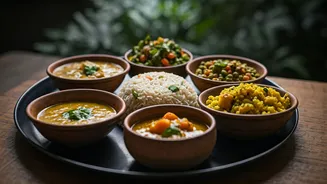
like biryani, butter chicken, and dal with a fresh perspective. They are tweaking ingredients, simplifying techniques, and infusing global influences to create food that feels both familiar and new. This movement is less about rebellion and more about relevance, adapting the flavors of their heritage to fit the realities of their modern American lives. It’s a sign of a culinary culture that is confident, dynamic, and very much alive.
The Health-Conscious Remix
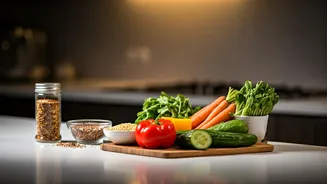
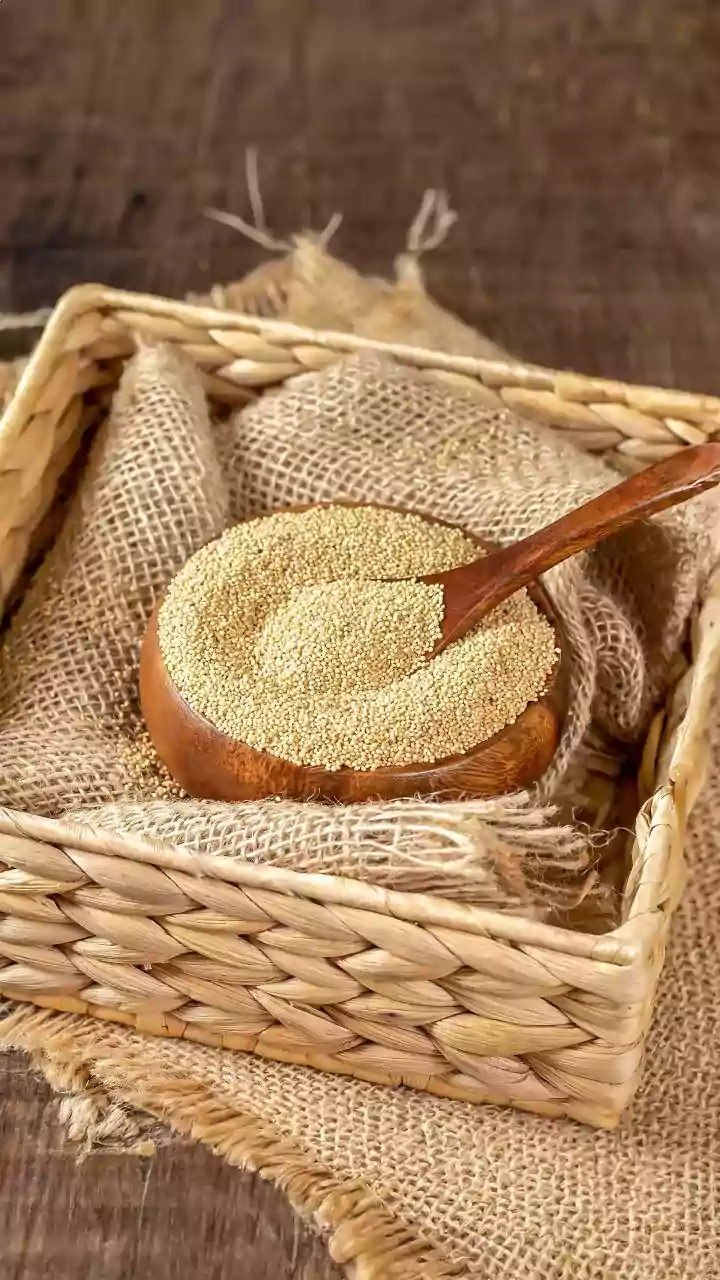
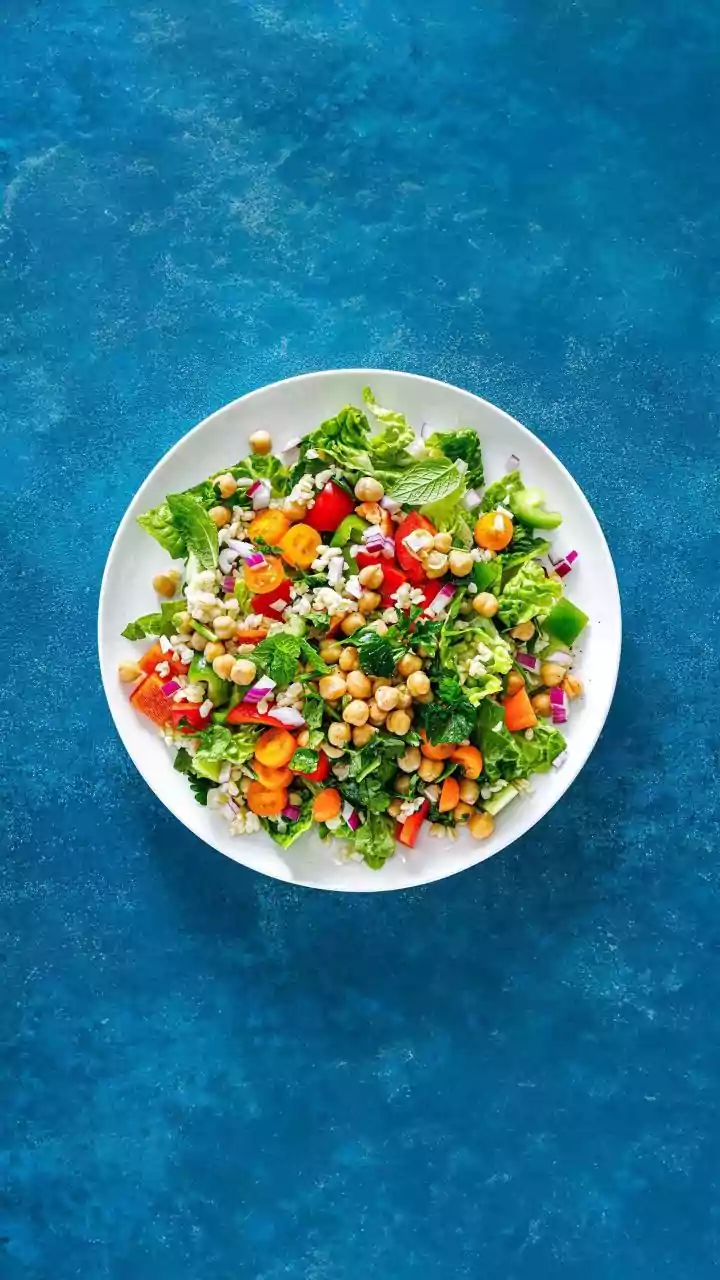
One of the biggest drivers of this change is a growing focus on health and wellness. While traditional Indian festive food is often rich with ghee, cream, and sugar, many are now seeking lighter alternatives that don't sacrifice flavor. This has given rise to ingenious swaps: yogurt or cashew cream stands in for heavy cream in curries, air fryers produce crispy samosas with a fraction of the oil, and jaggery or date syrup replaces refined sugar in desserts. We're seeing cauliflower rice used in biryanis for a low-carb option and hearty millets replacing polished white rice. These aren't just dietary compromises; they are creative challenges that result in vibrant dishes that can be enjoyed every day, not just on special occasions.
A Plate Full of Identity
For many in the Indian diaspora, food is a primary link to their heritage. Reimagining classic dishes is also a way of expressing a unique, hybrid identity. It’s a delicious manifestation of being “third culture”—a blend of the world of their parents and the one they grew up in. This is where you find some of the most playful and exciting creations. Think tandoori-spiced chicken tacos, paneer arranged on a caprese salad, or the viral sensation of butter chicken pasta. These dishes are more than just fusion; they are edible autobiographies. They tell a story of navigating two cultures and finding a comfortable, flavorful space right in the middle, creating a new kind of comfort food that speaks to their specific experience.
Convenience for the Modern Kitchen
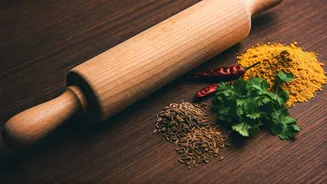
Let’s be honest: many traditional Indian recipes can be famously time-consuming, involving long simmering times and complex spice blends. The demands of modern life, with its busy work schedules and packed evenings, have made convenience a top priority. Technology and a desire for efficiency have led to a wave of smart shortcuts. The Instant Pot has become a kitchen hero, capable of producing a rich, velvety dal makhani in under an hour instead of overnight. Pre-made ginger-garlic paste is a staple, and simplified, multi-purpose masala blends are replacing the need to measure out a dozen individual spices. This isn't about cutting corners for the sake of it; it's about making it possible to cook a wholesome, flavorful Indian meal on a Tuesday night, ensuring these traditions continue to have a place at the family table.
From Kitchens to Viral Hits
This culinary renaissance is being amplified and accelerated by social media. Platforms like Instagram and TikTok are virtual recipe books where these reimagined dishes find an eager audience. A home cook’s experiment with a gulab jamun cheesecake can go viral overnight, inspiring thousands of others to try it. Food bloggers and influencers have built entire communities around modern Indian cooking, sharing tips, celebrating successes, and proving that tradition can be wonderfully flexible. This digital exchange creates a powerful feedback loop, where one person's creative idea quickly becomes a widespread trend, pushing the boundaries of what Indian food can be.