





The Passport Power Gap
For the average American, hopping on a plane to Paris or Tokyo involves little more than booking a ticket. The U.S. passport is a key to the world, consistently ranking among the top ten most powerful. For citizens of the world’s most populous nation,
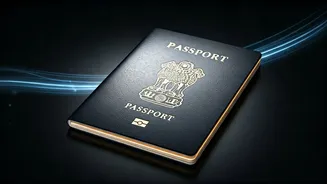
India, the story is vastly different. Despite the country's rising economic clout, the Indian passport currently sits around 85th in global rankings, offering visa-free or visa-on-arrival access to just over 60 countries—a list that conspicuously omits major Western destinations like the U.S., U.K., and the European Schengen Area. This discrepancy creates a significant hurdle. For decades, the dream of international travel for many Indians has been tangled in a web of paperwork, embassy appointments, and the frustrating uncertainty of visa applications. It's a bureaucratic barrier that feels increasingly out of step with the aspirations of a nation on the move.
A Middle Class Ready for Takeoff
So what changed? In a word: economics. India is home to one of the fastest-growing middle classes in the world. Millions of people, particularly a young and digitally native generation, now have disposable income and a voracious appetite for global experiences they’ve only seen on Instagram. They aren't just saving for a home anymore; they're saving for a trip to Thailand, a tour of Europe, or a safari in Africa. This isn't a niche market. We're talking about a travel boom of epic proportions. Projections show Indian tourists are on track to spend tens of billions of dollars abroad annually. This demographic shift has created a powerful new force in global tourism: a massive, largely untapped market of travelers who are eager to explore and, crucially, have the money to do so. They're no longer content with domestic holidays; they want the world, and they’re starting to demand the access that should come with their country's growing stature.
The World Rolls Out the Welcome Mat
Countries that rely on tourism are taking notice. In a post-pandemic scramble to revive their economies, tourism boards from Bangkok to Nairobi have done the math and realized that the Indian market is too big to ignore. The result has been a recent wave of policy changes aimed directly at Indian passport holders. In late 2023 and early 2024, countries like Thailand, Malaysia, Sri Lanka, and Kenya all announced temporary or permanent visa-free entry for Indian citizens. The logic is simple: remove the friction, and the tourists will come. For these nations, a planeload of Indian tourists represents a direct injection into their local economies, supporting everything from hotels and restaurants to tour guides and souvenir shops. It's a calculated economic decision that also functions as a form of soft-power diplomacy, strengthening ties with New Delhi by acknowledging the value and importance of its citizens.
More Than Just a Vacation
This push for greater travel freedom is about more than just beach vacations and city breaks. It’s a matter of national pride and global standing. For many Indians, the strength of their passport is seen as a reflection of their country's place in the world. As India asserts itself as a major economic and political player, there's a growing sentiment that its citizens should be afforded the same respect and ease of movement as those from other major nations. Furthermore, easier travel facilitates business, education, and cultural exchange, strengthening the global connections that are vital in the 21st century. As more countries open their doors, it creates a positive feedback loop, putting pressure on others to follow suit. While access to the U.S. and Europe remains a complex and visa-dependent process, the direction of travel is clear. The demand for a frictionless global experience is only going to get louder.