




The New Definition of 'Perfect Timing'
For generations, the wedding calendar had its established peaks. June was for classic romantics, and the winter holidays offered a built-in festive backdrop. But a significant shift is underway. Today’s engaged couples are increasingly eyeing the “shoulder
seasons”—late spring (May) and, most notably, early fall (September and October)—as the new gold standard for tying the knot. According to wedding industry giants like The Knot, which surveys thousands of couples annually, October has consistently ranked as the most popular wedding month for years. This isn't just a statistical blip; it’s a reflection of a fundamental change in priorities. The dream is no longer just about a beautiful ceremony, but a comfortable, seamless, and enjoyable experience for everyone involved, starting with the weather.
When Guest Experience Trumps Tradition
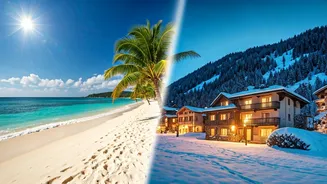
At the heart of this trend is the rise of the guest-centric wedding. Modern couples are planners, hosts, and experience curators, and they understand a simple truth: uncomfortable guests don't have a good time. A winter wedding in much of the U.S. comes with a built-in checklist of potential discomforts. Guests have to navigate potentially icy roads, schlep heavy coats over formalwear, and face the possibility of travel delays or cancellations due to snowstorms. The event itself is often confined to a single indoor space, limiting the flow and variety of the celebration. By choosing a temperate date in May or October, couples are essentially removing a massive variable of stress. They’re betting on a day where guests can comfortably walk from a garden ceremony to a patio cocktail hour without shivering, where travel is straightforward, and where the mood isn’t dictated by a weather advisory.
The Practical Perks of Pleasant Weather
Beyond guest comfort, the practical advantages of a mild-weather wedding are simply too good to ignore. First, photography. That soft, warm “golden hour” light that photographers adore is far more accessible and lasts longer in the fall than during the short, often overcast days of deep winter. This leads to the kind of effortlessly beautiful photos that dominate Instagram and Pinterest feeds. Second, venue optionality. A temperate climate opens up a world of possibilities that are risky or impossible in December or January. Couples can confidently book venues with stunning outdoor features—terraces, vineyards, sprawling lawns—knowing they can actually use them. This allows for a more dynamic event, with different spaces for the ceremony, cocktail hour, and reception. Even the wardrobe gets simpler. There’s no need for contingency plans involving shawls, wraps, or emergency heaters when the forecast calls for a perfect 68 degrees and sunny.
Holiday Fatigue and Financial Sense
There’s also a social and financial component to this shift. The winter holidays are already a crowded, expensive, and often stressful time for many people. Asking friends and family to add a wedding—with its associated costs of travel, lodging, and gifts—to an already packed December calendar can feel like a big ask. This “holiday fatigue” is a real consideration for empathetic couples. While peak fall dates can be just as, if not more, expensive than other times of the year due to high demand, they don't compete directly with the financial and social obligations of Christmas and New Year's. By steering clear of major holidays, couples give their guests’ calendars (and wallets) some breathing room, a gesture that is increasingly seen as a core part of being a good host.