





A Middle Class with Money to Spend
The single biggest driver behind this travel boom is economic. For decades, the Indian middle class prioritized saving—for a home, a car, or a child’s education. Travel was a luxury reserved for the ultra-wealthy. That has fundamentally changed. Rising
disposable incomes, a booming tech and service sector, and a new generation with different financial priorities have created a massive cohort of “aspirational consumers.” They aren't just earning more; they're choosing to spend it on experiences rather than possessions. International travel has shifted from a once-in-a-lifetime dream to an annual or biennial reality for millions of households. Industry reports project that India will become the world's fourth-largest global travel spender by 2030, with outbound travel expenditure expected to surge past $42 billion. This isn’t just about a few more people taking trips; it’s a seismic shift in household-level economic behavior across a nation of 1.4 billion people.
The Instagram Effect and a Young Population
India has one of the youngest populations in the world, with a median age of around 28. This digital-native generation grew up with smartphones and social media, which act as a powerful engine for travel inspiration. The desire to capture the perfect photo in front of the Eiffel Tower, hike in the Swiss Alps, or relax on a Thai beach is no longer just a vague aspiration—it’s a tangible goal driven by a daily feed of images from friends and influencers. This “Instagram effect” has created a powerful feedback loop: as more Indians travel and post about their experiences, it normalizes and popularizes international holidays for their social circles. This digital-first mindset also means they are savvy planners, using online travel agencies, review sites, and booking apps to find deals and craft unique itineraries, often bypassing traditional travel agents entirely.
More Passports, More Flights, More Access
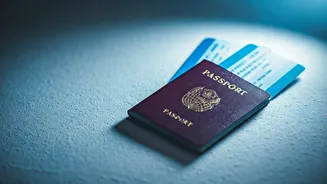
You can’t travel abroad without a passport or a flight. Both have become significantly more accessible to the average Indian citizen. The Indian government has streamlined the passport issuance process, leading to a dramatic increase in the number of passport holders. Simultaneously, the aviation market has exploded. Low-cost carriers and full-service airlines alike have aggressively expanded their international routes from major Indian hubs like Delhi, Mumbai, and Bangalore. This fierce competition has helped keep airfares relatively affordable. Furthermore, many popular tourist destinations—from Thailand and Malaysia to Vietnam and Sri Lanka—have simplified their visa policies for Indian nationals, offering visa-free entry or visa-on-arrival to capture a slice of this booming market. Each new flight path and simplified visa rule opens a new corridor for millions of potential travelers.
Beyond the Family Vacation
While family trips remain popular, the profile of the Indian traveler is diversifying rapidly. We're seeing a surge in new travel segments that were once niche. Solo travel, especially among women, is on the rise as societal norms evolve. Groups of friends are planning trips to places like Dubai and Singapore for long weekends. Adventure travel, from trekking in Nepal to diving in the Maldives, is gaining traction. The “bleisure” trend—where travelers extend business trips for a few days of personal sightseeing—is also becoming common, particularly among young professionals in the tech and finance industries. This diversification means that the demand isn't just growing in volume; it's also growing in complexity, creating opportunities for all kinds of destinations, including those in the U.S. that offer everything from national parks to bustling cityscapes.