







Beyond the Buzzword
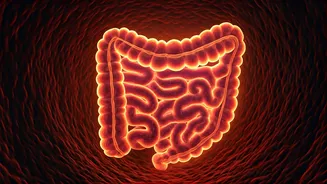
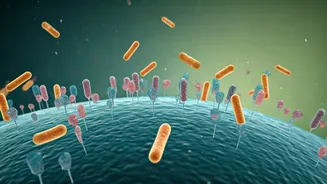
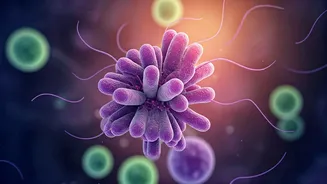
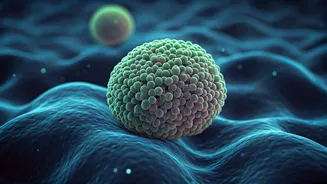
So, what are we actually talking about when we say “gut health”? The star of the show is the gut microbiome: a bustling, microscopic metropolis inside your digestive tract. This ecosystem is home to trillions of microorganisms, including bacteria, viruses,
and fungi. For centuries, we viewed bacteria as hostile invaders, something to be eradicated with soap and antibiotics. But science now reveals a different story. Many of these microbes are essential partners in our health. Think of it less like a battlefield and more like a complex rainforest, where diversity is key and every organism has a role to play. A healthy, balanced microbiome helps us digest food, synthesize essential vitamins, and protect against pathogens. When this delicate ecosystem is thrown out of balance—a state known as dysbiosis—it can create a ripple effect across the body.
The Scientific Tipping Point
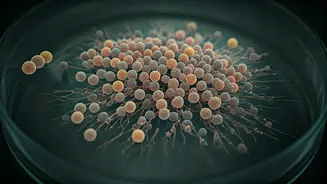
If this has been inside us all along, why is the “revolution” happening now? The short answer is technology. For most of history, studying these microbes was incredibly difficult because most of them can't be grown in a lab petri dish. But recent advances in genetic sequencing have changed everything. Scientists can now identify and analyze the DNA of every microbe in a gut sample, giving them an unprecedented look at who is living in there and what they’re doing. It’s like going from trying to understand a city by only talking to the few people who answer a landline to suddenly having access to census data, social media feeds, and traffic patterns all at once. This explosion of data has fueled a wave of research, connecting the microbiome to a surprising range of health outcomes and turning a once-overlooked organ into a major frontier of medical science.
Your Gut’s Surprising Job Description
The biggest revelation of the gut health revolution is that its influence extends far beyond digestion. Perhaps the most fascinating discovery is the “gut-brain axis,” a constant two-way communication highway between your digestive system and your central nervous system. This connection helps explain why you get “butterflies” in your stomach when you’re nervous or why chronic stress can lead to digestive issues. Researchers are now exploring how the microbiome influences mood, anxiety, and even cognitive function. Furthermore, an estimated 70% of your immune system resides in your gut. Your gut microbes essentially train your immune cells to distinguish friend from foe. An imbalanced microbiome has been linked to inflammation and a higher risk for autoimmune conditions, allergies, and metabolic disorders. The gut is no longer seen as a simple plumbing system but as a mission control center for overall health.
How to Support Your Inner Ecosystem
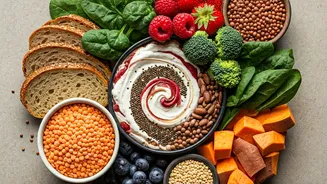
So, how can you join the revolution and support your own microbiome? The good news is that you don’t need expensive supplements or complicated protocols. The most powerful tool is your diet. Your gut microbes eat what you eat, and the key is variety. A diet rich in diverse, fiber-filled plant foods—like fruits, vegetables, whole grains, nuts, and legumes—provides the “prebiotics” that feed your beneficial bacteria. Think of it as tending to your internal garden. Fermented foods like yogurt, kefir, sauerkraut, and kimchi contain live bacteria, or “probiotics,” which can help bolster the community of good microbes. While the science on commercial probiotic supplements is still evolving and can be highly specific to certain strains, building a diet around whole, fiber-rich foods is a universally recommended strategy for cultivating a thriving, resilient gut microbiome.