





Weaponize Your Garden's Scent
Many of the animals that browse our gardens, especially deer, have a highly sensitive sense of smell. They follow their noses to find tasty morsels and avoid danger. You can use this to your advantage by planting aromatic herbs and flowers that overwhelm
their senses or simply smell bad to them. Think of it as olfactory camouflage for your more delicate plants. Integrating strongly scented plants like lavender, rosemary, sage, and thyme throughout your garden beds creates a fragrant barrier. Not only do these plants deter pests, but they are also beautiful, useful in the kitchen, and attract beneficial pollinators like bees and butterflies. Other great choices include ornamental onions (alliums), whose pungent scent is a major turn-off for deer and rodents, and Russian sage (Perovskia atriplicifolia), a tough, drought-tolerant perennial with a fragrance animals tend to avoid.
Leverage Unappealing Textures
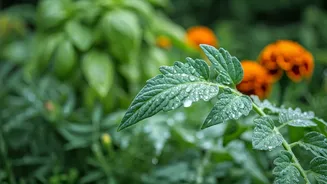
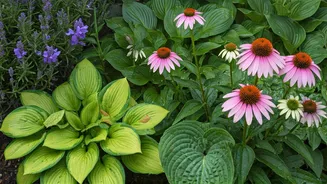
Imagine trying to eat something fuzzy, spiny, or leathery—it’s not a pleasant experience. Animals feel the same way. By selecting plants with textures they find unpalatable, you can discourage them from taking a bite. Lamb's ear (Stachys byzantina) is a classic example; its soft, fuzzy leaves are highly unappealing to deer. Similarly, the sharp, spiky leaves of yucca or the prickly foliage of globe thistle (Echinops) create a physical deterrent. Coneflowers (Echinacea) have bristly leaves and stems that rabbits and deer often pass by. Even plants with tough, waxy, or leathery leaves, like many varieties of iris or peonies, are less likely to be nibbled on. When planning your garden, try to incorporate a variety of these textures, placing them strategically around more vulnerable plants.
Choose Poisonous (To Them) Plants
Animals have an innate sense of what they shouldn't eat. Many of the most beautiful and classic garden plants are actually toxic to browsing mammals, which is why they are often left alone. Daffodils (Narcissus), for instance, contain an alkaloid called lycorine that makes them poisonous to most animals, which is why you’ll see them blooming untouched in fields where deer roam. Foxglove (Digitalis), bleeding hearts (Dicentra spectabilis), and monkshood (Aconitum) are other stunning perennials that are highly toxic and therefore reliably deer-resistant. By incorporating these varieties, you can ensure vibrant color and form in your garden without worrying about them disappearing overnight. Always be mindful of pets and small children with these plants, and be sure to site them appropriately.
Create Layers and Barriers
Strategic garden design is one of your most powerful, and greenest, tools. Think of your garden beds in layers. Plant your tallest, most resilient, and least tasty plants along the outer edges that animals are most likely to approach. This can create a natural fence that makes it harder for them to see—and get to—the more tempting plants inside. For example, a border of tall ornamental grasses, fragrant Russian sage, or sturdy boxwoods can effectively screen a patch of more delicate roses or tulips. This method doesn't just deter animals; it also adds depth, structure, and visual interest to your landscape. It forces animals to navigate through a maze of unappealing scents and textures before they can even get a glimpse of the main course, often encouraging them to move on to easier foraging grounds.
Embrace Native Plants
Planting species native to your specific region is a win-win strategy. These plants are naturally adapted to the local climate, soil, and—importantly—the local wildlife. Over millennia, they have co-evolved with native insects and animals, often developing defenses against being over-eaten. While no plant is completely animal-proof, natives are often a less-preferred food source for common browsers like deer, who might favor the soft, non-native foliage of plants like hostas. Native plants like milkweed (Asclepias), Joe Pye weed (Eutrochium), and various asters not only provide beautiful, low-maintenance color but also support local ecosystems by providing food and habitat for pollinators and birds. Check with your local university extension office or native plant society for a list of species that thrive in your area and are known to be critter-resistant.