



The Burnout Backlash
Remember the ‘rise and grind’ era? It dominated the 2010s, fueled by tech-bro manifestos and girlboss aesthetics. The prevailing wisdom was that success was forged in sleep-deprived, caffeine-fueled sprints. Your exhaustion was a badge of honor, proof
of your commitment. But a funny thing happened on the way to the top: everyone got tired. Really tired. Widespread burnout, exacerbated by the pandemic’s blurring of work-life boundaries, created a powerful cultural backlash. The constant pressure to be ‘on’ led to a collective craving to be ‘off.’ This wasn’t just about wanting a vacation; it was a fundamental rejection of a system that equated human value with productivity. The quiet quitting phenomenon was one symptom; the fetishization of rest is another. Suddenly, claiming your right to do nothing became a radical act—and, inevitably, a marketable one.
The Commodification of Calm
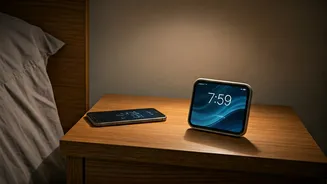
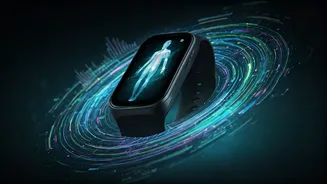
Capitalism abhors a vacuum. As soon as ‘rest’ became a desirable cultural concept, a billion-dollar industry emerged to sell it back to us. True rest is free—a nap, a quiet moment, a day with no plans. But status-symbol rest is expensive. It’s a Whoop band ($239/year) tracking your recovery, an Oura Ring ($299+) monitoring your sleep cycles, or a Theragun ($599) pummelling your muscles into submission. It’s an infrared sauna blanket, a weighted gravity blanket, or a weekend at a silent meditation retreat that costs more than a month’s rent. These products and services transform an intangible state of being into a quantifiable, purchasable good. Owning them isn’t just about feeling better; it’s about signaling that you have the knowledge, discipline, and disposable income to invest in your own well-being. It’s wellness as a luxury good.
Performative Rest on the Grid
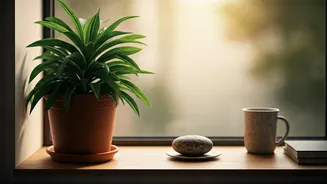
If you rest and don’t post a screenshot of your 98% sleep score, did you even recover? In the social media economy, lived experience is often secondary to its documentation. Rest is no exception. The new status symbol isn’t a Lamborghini in the driveway; it’s a perfectly curated Instagram story of your ‘rest day.’ This might include a steaming mug of ashwagandha tea, legs propped up against a minimalist white wall, a book positioned just so, and the soft glow of a salt lamp. It’s the aestheticization of inactivity. This performance serves a dual purpose. On one hand, it’s a public declaration that you’re opting out of the hustle. On the other, it’s a subtle flex that you’ve mastered the art of self-care. It says, ‘I’m not just surviving; I’m thriving, and I have the beautifully curated content to prove it.’
The New Productivity Paradox
Herein lies the great irony of the rest-as-status trend: it’s not really about rest at all. It’s about optimization. The language surrounding these recovery tools and rituals is borrowed directly from the world of elite athletics and Silicon Valley biohacking. You don’t just ‘sleep’; you ‘maximize your REM cycles.’ You don’t just ‘relax’; you ‘activate your parasympathetic nervous system.’ The goal isn't simply to disconnect, but to recharge more efficiently so you can be even more productive tomorrow. In this framework, rest becomes another task to be perfected, another metric to be tracked and improved. It’s the hustle culture playbook applied to downtime. Instead of competing on who can work the hardest, the competition shifts to who can recover the smartest. The pressure to perform hasn’t vanished; it’s just moved into our bedrooms.