


The Rise of the Tactile Home
For years, the blueprint for a modern, upscale living room felt universal: sleek lines, polished surfaces, and a cool, minimalist palette. But a quiet revolution has been unfolding, and in the vibrant, diverse context of Indian homes, it has found a particularly
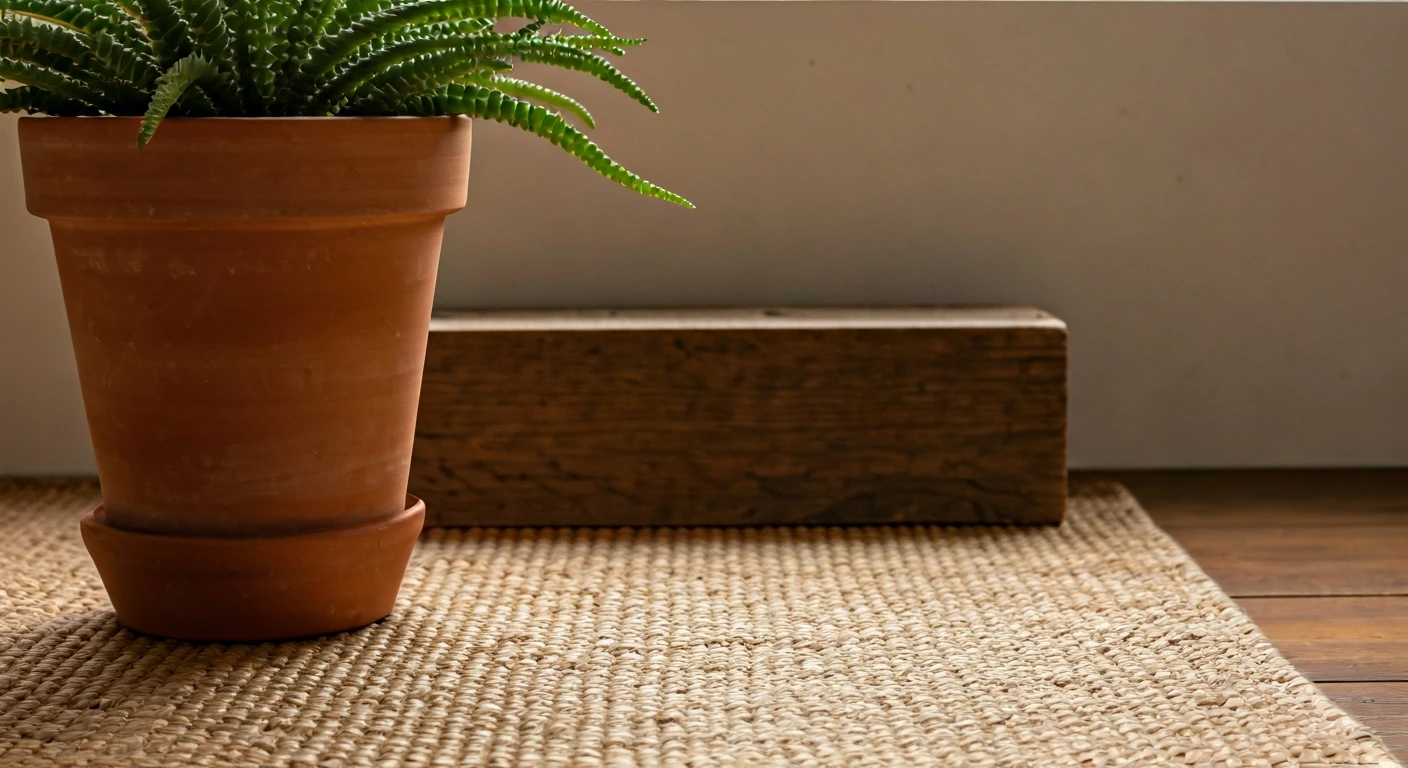
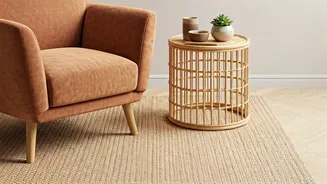
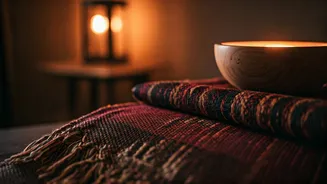
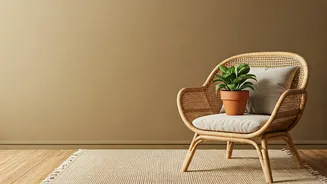
beautiful voice. Designers and homeowners are turning away from the impersonal gloss of mass-produced perfection and embracing something far more elemental: texture. Jute rugs underfoot, rattan chairs that whisper of craft, and the earthy coolness of terracotta accents are transforming living spaces from mere showrooms into soulful sanctuaries. This shift is more than an aesthetic whim; it's a response to a global, post-pandemic yearning for comfort, authenticity, and a tangible connection to the natural world. After years spent behind screens, the desire for a home that engages all the senses—especially touch—has become paramount.
A Modern Twist on Tradition
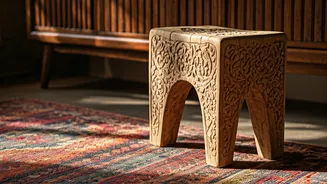
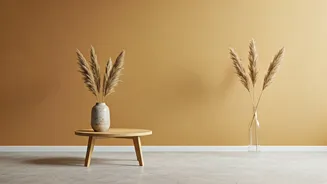
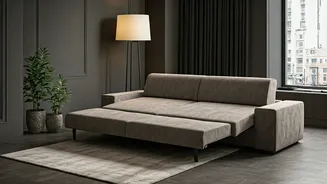
This trend is not simply a revival of the past but a thoughtful reinterpretation of it. While materials like cane, teak, and hand-loomed textiles have been staples of Indian craftsmanship for centuries, their application is refreshingly contemporary. You’ll find classic woven *charpai* daybeds simplified into minimalist benches, intricate cane-work applied to sleek, modern cabinetry, and hand-spun *khadi* cotton used for upholstery on sculptural armchairs. The key is the interplay between the raw and the refined. An unfinished, rough-hewn wooden coffee table might be paired with a plush velvet sofa. Earthenware vases, once confined to rustic settings, now hold elegant arrangements on marble consoles. This fusion honors heritage without being enslaved by it, creating spaces that feel both grounded in history and entirely of the moment. It’s a design language that speaks of confidence, acknowledging deep cultural roots while embracing a global outlook.
Beyond Visuals: A Philosophy of Living
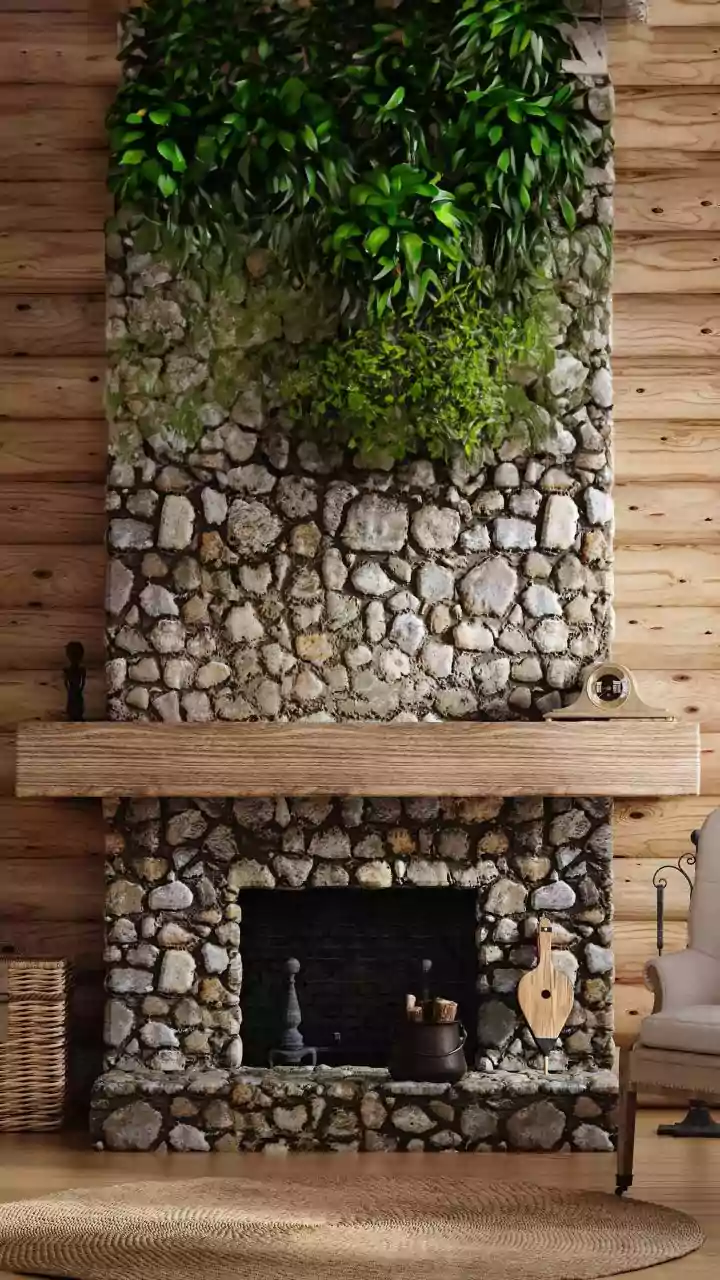
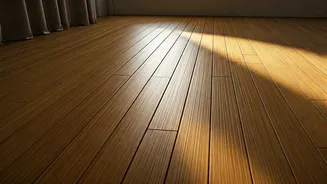
The appeal of natural textures goes deeper than their visual warmth. It’s tied to a growing consciousness around sustainability and mindful consumption. By favoring materials like bamboo, jute, and reclaimed wood, designers are making an environmental statement. More importantly, this movement often champions local artisans and traditional craft communities that have been sidelined by industrial manufacturing. Choosing a hand-knotted rug or a custom-built piece from a local carpenter becomes an act of preserving skill and supporting a more equitable economy. This philosophy extends to the atmosphere of the home itself. These materials create spaces that are designed to age gracefully. A leather chair develops a rich patina, a wooden table gathers stories with every scratch, and linen softens with each wash. In a world obsessed with newness, this embrace of imperfection and longevity offers a calming antidote, fostering a sense of peace and permanence.
How the West Can Take Note
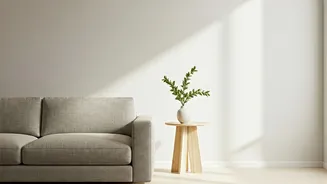
While this movement is flourishing in India, its principles are universal and offer powerful lessons for American homes. The U.S. design scene is also experiencing a similar pivot away from sterile, all-white minimalism toward what some call “lived-in luxury” or “organic modern.” The Indian approach, however, provides a masterclass in layering textures with boldness and intention. It encourages us to look beyond the catalog and seek out pieces with character and a story. Instead of a single jute rug, consider layering it with a smaller, more vibrant textile. Instead of one statement plant, group terracotta pots of varying sizes. The trend reminds us that warmth doesn't come from a specific color palette, but from a rich tapestry of materials that invite you to touch, to linger, and to feel truly at home. It’s a compelling argument for making our living rooms less of a formal space for guests and more of a personal refuge for ourselves.