





Why Fiber is Back in the Spotlight
For years, carbohydrates were public enemy number one, with low-carb and keto diets dominating the wellness conversation. But the tide is turning. A growing body of research—and a massive public conversation—around gut health is reminding us that not
all carbs are created equal. The key differentiator? Fiber. This indigestible carbohydrate is the preferred food for the trillions of beneficial bacteria living in your gut. A healthy gut microbiome is linked to everything from improved digestion and a stronger immune system to better mood and reduced risk of chronic diseases. At the same time, as grocery bills climb, consumers are seeking foods that are both nutritious and budget-friendly. High-fibre staples like beans, oats, and whole grains perfectly fit the bill, offering maximum nutritional bang for your buck.
Oats: The Versatile Workhorse
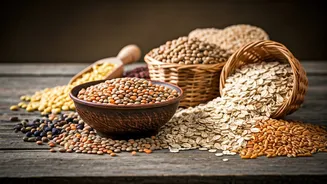
Oats are no longer just for a boring bowl of breakfast mush. They are being recognized for their versatility and impressive dose of soluble fiber, particularly beta-glucan, which is known for its ability to help lower cholesterol and stabilize blood sugar. This is why you’re seeing oats pop up everywhere: in smoothies for creaminess and fiber, ground into flour for heartier baked goods, and even used in savory dishes like risotto-style “oat-otto” or as a binder in veggie burgers. Their mild, nutty flavor makes them a blank canvas for both sweet and savory applications. Think beyond the oatmeal packet and start seeing oats as a pantry powerhouse for adding substance and nutrition to a huge range of meals throughout the day.
Lentils: The Plant-Based Powerhouse
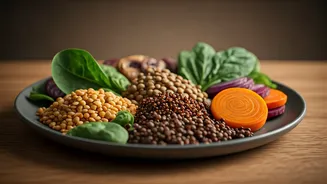
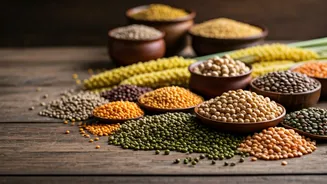
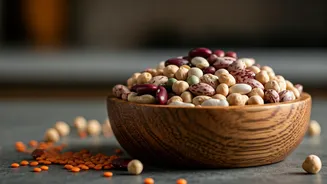
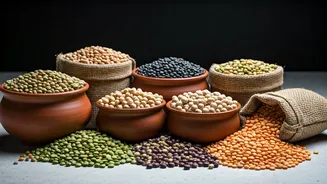
If any food embodies the intersection of health, affordability, and sustainability, it’s the humble lentil. Packed with both fiber and plant-based protein, lentils are incredibly satiating, meaning they keep you feeling full and satisfied long after a meal. This makes them a fantastic tool for weight management and blood sugar control. Unlike dried beans, lentils don’t require a long soak, cooking up in just 20-30 minutes. This convenience factor is a huge part of their renewed appeal. From hearty soups and stews to salads and as a base for plant-based “meatloaf,” lentils are an easy and inexpensive way to bulk up meals while adding a serious nutritional punch. Red, green, brown, or black—each variety offers a slightly different texture and use, making them endlessly adaptable.
Barley: The Underrated Ancient Grain
While quinoa had its moment in the sun, barley is quietly stepping forward as the next must-have ancient grain. It has a wonderfully chewy texture and a nutty flavor that’s more robust than many other grains. Barley is exceptionally high in fiber, often containing more than twice the amount found in brown rice. It’s particularly effective at promoting feelings of fullness and supporting digestive health. Hulled barley is the most nutritious form, though pearled barley, which is more common in supermarkets, is still a fantastic source of fiber. Use it as a hearty base for grain bowls, toss it into soups to add body and texture, or cook and chill it for a satisfying addition to salads.
Chia Seeds: The Tiny Nutritional Giant
Once known primarily for sprouting grassy “pets,” chia seeds are now a certified superfood, and for good reason. Just two tablespoons pack an astonishing 10 grams of fiber. When mixed with liquid, they form a gel-like substance, a quality that not only makes for a classic chia pudding but also helps promote hydration and satiety in the digestive tract. This gelling action slows digestion, preventing blood sugar spikes and keeping you fuller for longer. Their neutral flavor means you can add them to almost anything without altering the taste. Sprinkle them on yogurt or cereal, blend them into smoothies, or use them as a plant-based egg substitute in baking by mixing one tablespoon of chia seeds with three tablespoons of water.