

The Snack Aisle, Reimagined
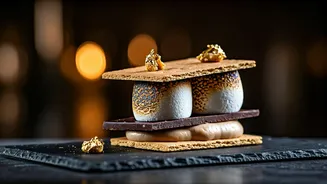
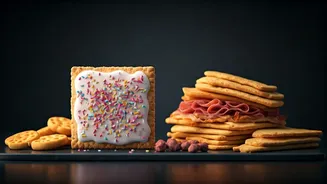
Walk into a trendy bakery or scroll through a food influencer’s feed, and you’ll see it: the Pop-Tart, but filled with small-batch jam and topped with artisanal sprinkles. The cosmic brownie, but made with Valrhona chocolate and a ganache swirl. This
isn't your school cafeteria's menu. High-end restaurants and cult-favorite bakeries are deconstructing and rebuilding our most cherished, and often most processed, childhood foods. In Los Angeles, one spot offered a high-end 'Uncrustable' with prosciutto, fig, and ricotta. In New York, a Michelin-starred chef might surprise diners with an amuse-bouche that playfully evokes a fancy potato chip and dip. These creations are both a loving homage and a complete reimagining, asking a simple question: what if our simplest pleasures were made with the best possible ingredients?
From Pantry Staple to Plated Art
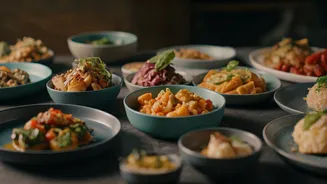
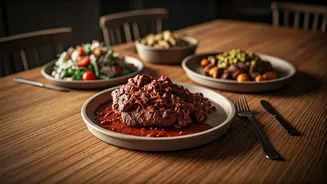
The transformation from cheap thrill to premium experience involves more than just swapping in better flour. It’s about applying serious culinary technique to foods that were designed for convenience. Think of instant ramen, a dorm-room staple. Now, restaurants build entire concepts around it, simmering broths for 48 hours, sourcing perfectly springy noodles, and topping it with tender chashu pork and a soy-marinated soft-boiled egg. The same goes for mac and cheese. Once a simple mix of dried pasta and powdered cheese, it’s now a fixture on upscale comfort food menus, featuring cheese blends that can include Gruyère, aged cheddar, and Fontina, often topped with truffle oil and toasted panko breadcrumbs. The plastic-wrapped cheese single has been replaced by a carefully curated flavor profile, turning a quick meal into a destination dish.
The Psychology of High-End Comfort
So, why are we willing to pay $18 for a dish that once cost 99 cents? The answer lies in the potent cocktail of nostalgia and modern anxieties. For millennials and older members of Gen Z—the primary drivers of this trend—these foods represent a simpler time. They evoke a sense of safety, predictability, and uncomplicated happiness from a pre-internet, pre-recession, pre-pandemic world. In uncertain times, we crave comfort. By indulging in a high-end version of a childhood favorite, we get a double dose of satisfaction: the soothing balm of nostalgia, plus the adult pleasure of appreciating quality and craftsmanship. It’s a way to connect with our inner child without having to eat like one. This 'kidulting' phenomenon allows us to revisit the past, but on our own, more sophisticated terms.
The Big Business of Looking Back
Smart companies are paying close attention. This isn't just a chef-driven phenomenon; it's a powerful marketing strategy. Food giants have seen the hunger for nostalgia and are responding in kind. General Mills successfully brought back Dunkaroos, the frosting-and-cookie dip that defined 90s lunchboxes, after a massive public campaign. Coca-Cola periodically re-releases 'New Coke' as a limited-time novelty. These corporate revivals run parallel to the gourmet trend, proving the same point from a different angle: memory is a powerful motivator for the consumer. Whether it’s an authentic re-release of the original product or a fancy, chef-driven reinterpretation, the underlying business model is the same. They are selling a feeling, an emotional shortcut back to a specific time and place, and consumers are more than willing to pay for the trip.