

Embrace the Power of Yogurt
Yogurt, or 'dahi', is the undisputed hero of the Indian summer kitchen. Revered for its cooling properties in Ayurvedic tradition, it forms the base of countless fast and refreshing dishes. The most iconic is curd rice, a simple South Indian comfort food
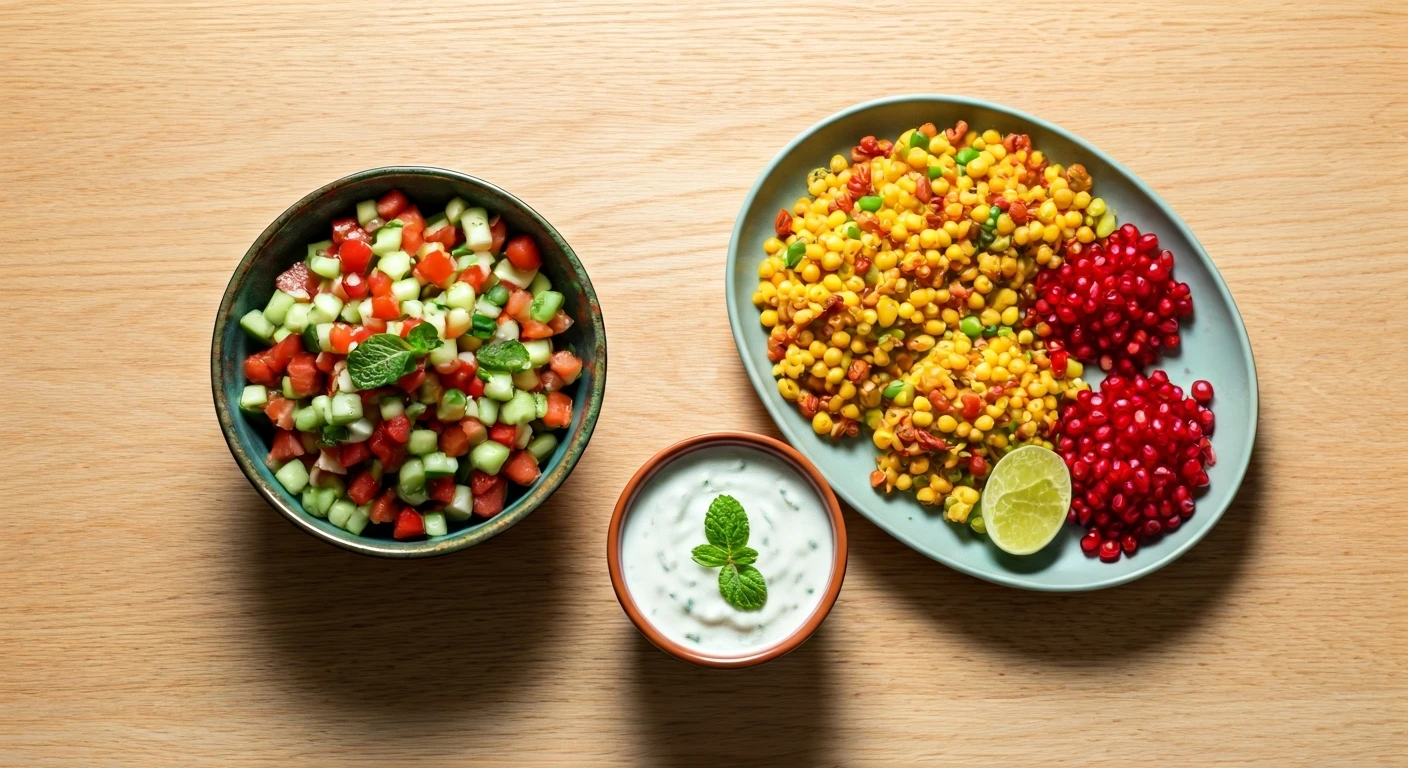
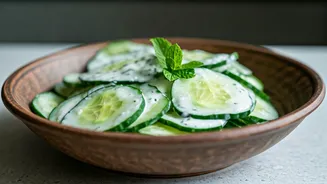
made by mixing cooked rice with plain yogurt, then seasoning it with a 'tadka'—a brief sizzle of mustard seeds, lentils, and curry leaves in hot oil. The entire active process takes minutes, and the result is a creamy, tangy, and deeply satisfying meal that cools you from the inside out. Similarly, 'raita', a yogurt dip mixed with grated cucumber, chopped mint, or tiny fried chickpea flour balls ('boondi'), can be a light meal in itself or a cooling side to any dish, requiring nothing more than a bowl and a spoon to prepare.
Master the Art of 'No-Cook' Chaat
The vibrant world of 'chaat'—India’s beloved category of savory snacks—offers a treasure trove of no-cook and low-cook options. Imagine a dish that’s crunchy, tangy, sweet, and spicy all at once, assembled in minutes without generating any heat. That's 'bhel puri'. It’s a delightful jumble of puffed rice, chopped onions, potatoes, and tomatoes, all brought together with tamarind and mint chutneys. There’s no cooking involved, just mixing. Another staple is 'dahi puri', where hollow, crispy shells are filled with potatoes, chickpeas, and sweet yogurt, creating a single, cooling bite that explodes with flavor. These dishes are all about assembly, not cooking, making them ideal for a quick lunch or a light dinner when the heat is at its peak.
Rely on Quick-Hydrating Grains
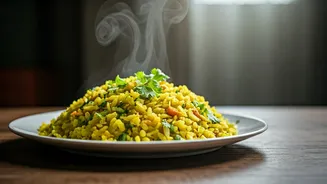
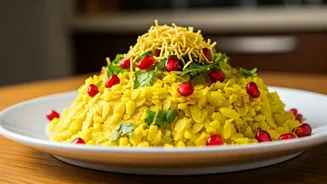
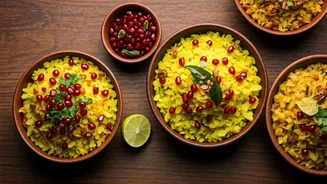
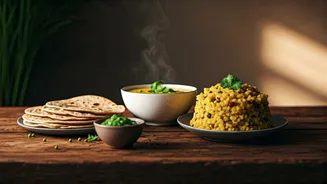
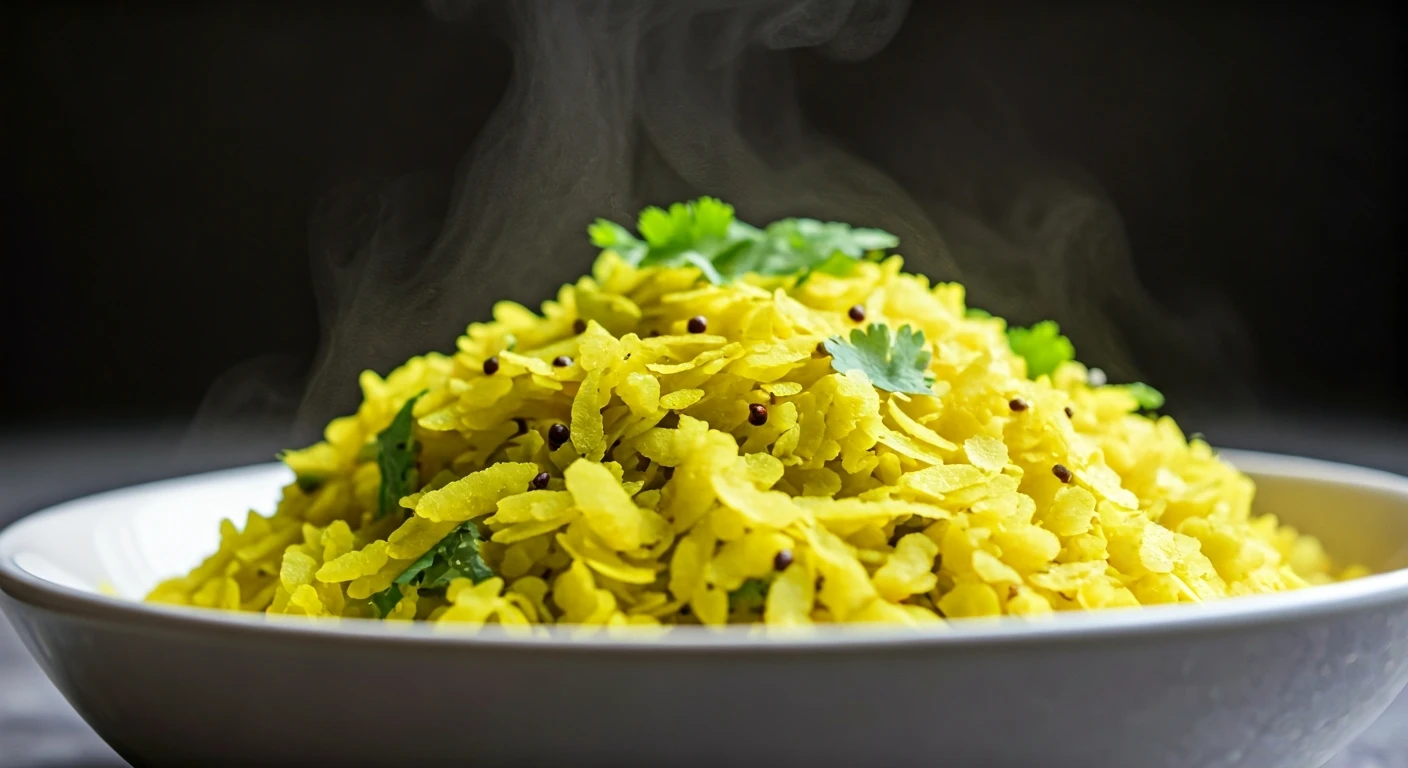
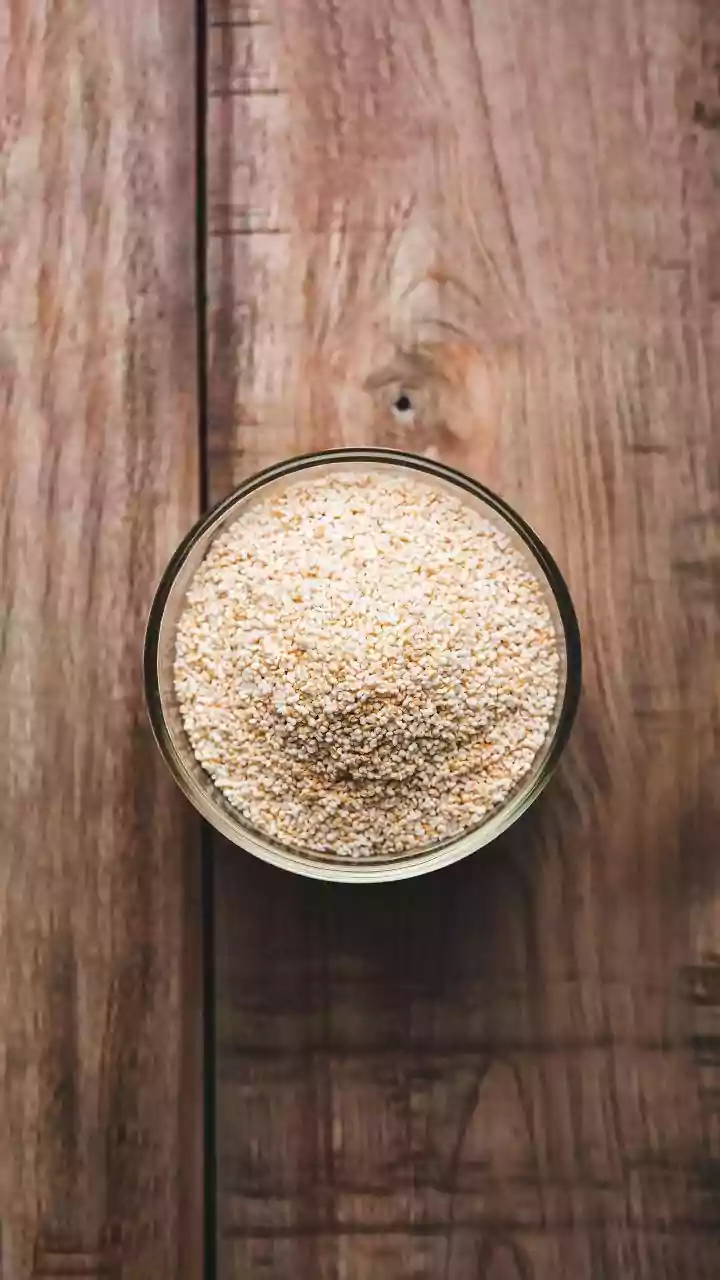
Not all grains require long, steamy boiling times. Enter 'poha', or flattened rice flakes, a staple in many parts of India. Because they are already par-cooked and flattened, they rehydrate almost instantly. A classic breakfast, 'kanda poha', can be made in under 15 minutes. You simply rinse the poha, then quickly sauté onions, peanuts, and spices before tossing the rehydrated rice flakes in for a final stir. It’s light on the stomach, provides sustained energy, and minimizes time spent over a flame. This principle of using quick-cooking or pre-cooked ingredients is central to beating the heat in the kitchen. It’s a lesson in efficiency born from necessity.
Drink Your Nutrients
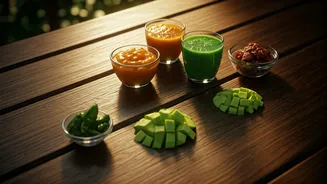
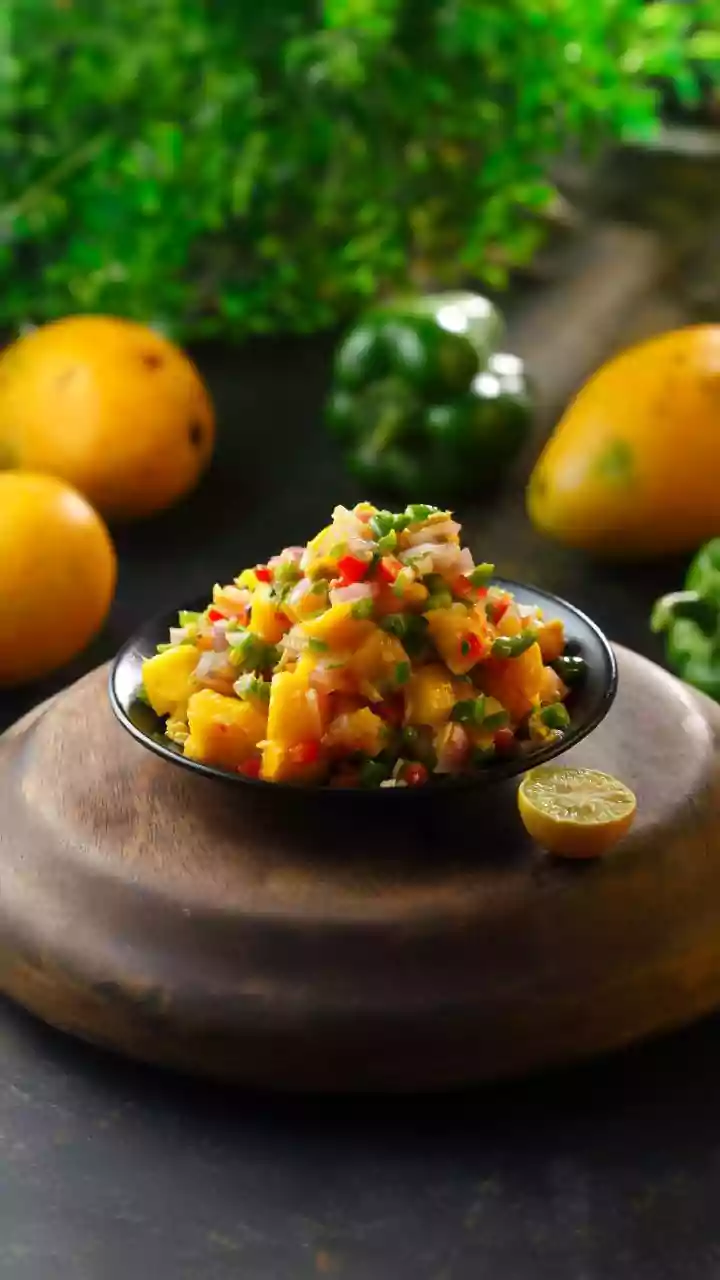
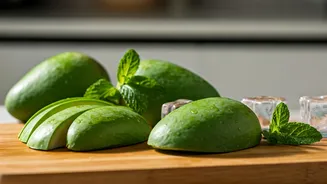
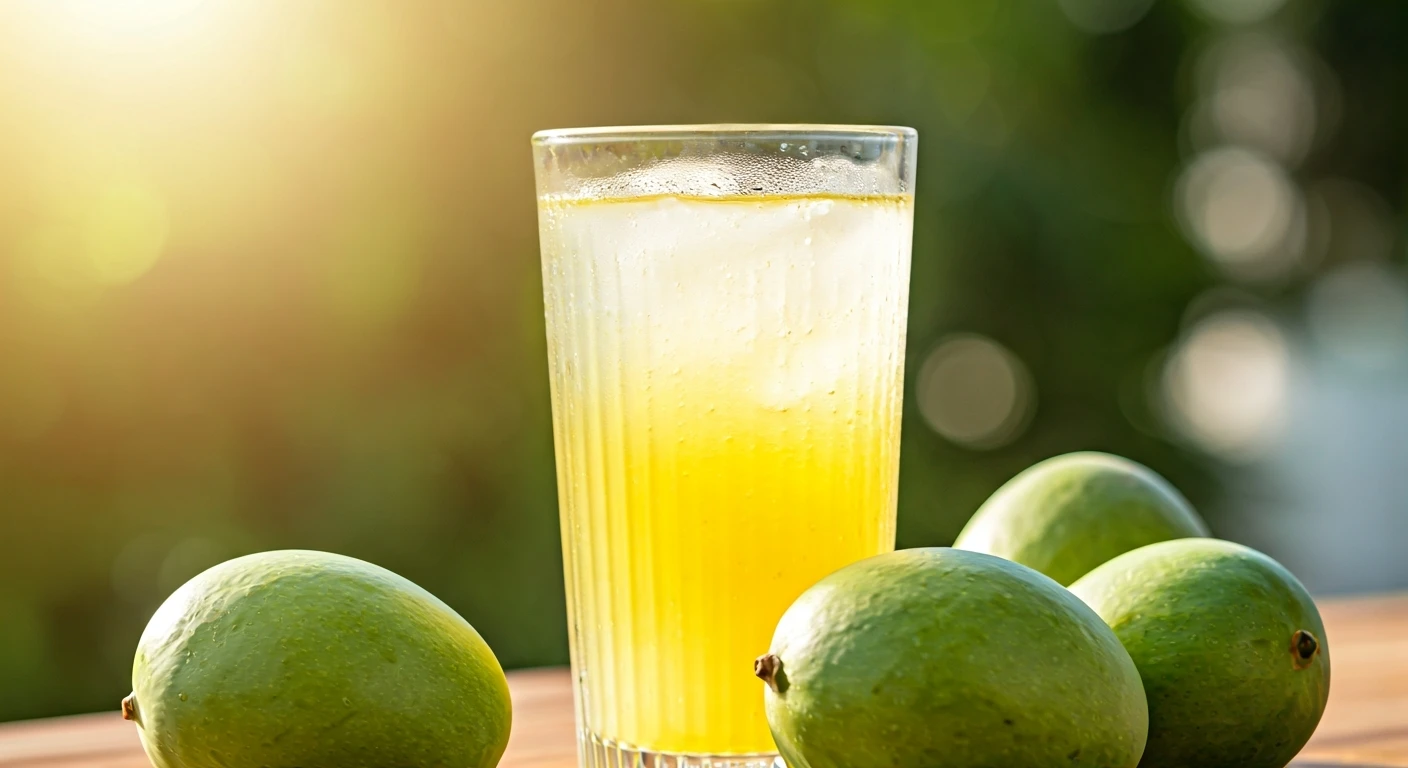
Sometimes the best summer meal isn't a meal at all, but a tall, chilled glass of something nourishing. Indian summers run on a variety of cooling drinks that often double as a light snack. 'Lassi', a yogurt-based smoothie, can be made sweet with mango or savory with salt and roasted cumin ('masala lassi'). It’s probiotic, hydrating, and filling. For a non-dairy option, there's 'aam panna', a spectacular drink made from the pulp of boiled raw green mangoes, mixed with sugar, salt, and spices. It’s specifically known for combating heat stroke and replenishing electrolytes lost through sweat. Both can be prepared in a batch and stored in the fridge, ready for an instant, cooling pick-me-up.
Rethink the Simmer
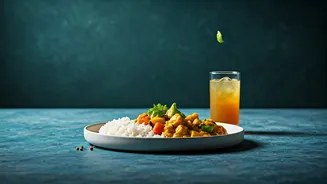
The idea of a curry might conjure images of a pot simmering for hours, filling the house with heat and steam. But summer curries are a different breed. Many regional recipes call for a quick stir-fry of vegetables or paneer with a simple blend of spices, finished with a splash of coconut milk, tomato puree, or a swirl of yogurt to create a light sauce. These 'jhol' or 'ras' style gravies are thin, brothy, and intentionally light. The goal is maximum flavor with minimum cooking time. A simple dish of okra fried with spices or a quick paneer 'bhurji' (scrambled Indian cheese) with toast comes together faster than a pizza delivery and leaves your kitchen feeling cool and comfortable.