
Beyond the Curry House Monolith
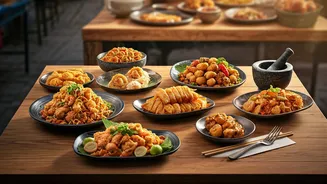
For many Americans, the introduction to Indian cuisine came via a handful of dishes: creamy chicken tikka masala, pillowy naan bread, and spinach-laced saag paneer. These staples, often found in restaurants with names invoking royalty or empires, were
delicious, but they were never the whole story. Many were British-Indian creations or North Indian standards that, for simplicity’s sake, came to represent the food of a nation with over 1.4 billion people and dozens of distinct culinary traditions. This simplified menu was a business decision—a way to offer a predictable, non-threatening entry point for Western palates. Spices were often muted, sweetness was amplified, and the sheer diversity of India’s food map was flattened into a single, recognizable brand of “curry.” While it successfully introduced Indian flavors to the mainstream, it also created a monolith, obscuring the hyper-local, fiercely distinct foods eaten daily across the subcontinent.
A Journey Through the Real Regions
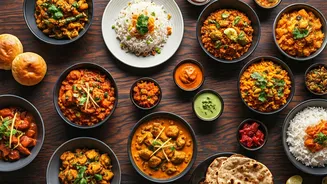
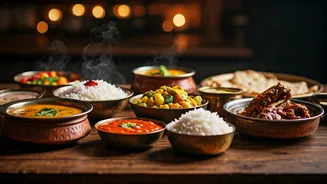
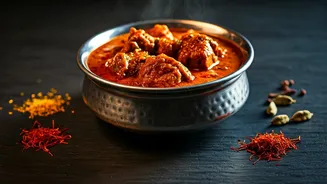
The new movement in Indian cooking is a direct challenge to that old model. It’s a declaration that there is no such thing as a single “Indian curry.” Instead, there are thousands. There’s the fiery, black-pepper-forward Chettinad chicken from Tamil Nadu in the south, a world away from the subtle, coconut-and-kokum-laced fish curries of coastal Goa. In Kashmir, you find Rogan Josh, a rich lamb dish aromatic with fennel and dried ginger, colored deep red by Kashmiri chilies, not tomato paste. Travel east to Bengal, and you’ll encounter a love for mustard oil and delicate seafood preparations like *maacher jhol*. This new wave of cooking is about geographical honesty. It highlights how a region’s climate, history, and agriculture dictate its flavors. The food of the desert state of Rajasthan, for instance, relies on lentils, dried beans, and buttermilk, while the lush backwaters of Kerala feature an abundance of coconut, rice, and fresh spices. To go “regional” is to appreciate that Indian food isn't one cuisine; it’s a library of them.
The Unapologetic New Guard
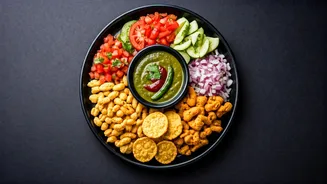
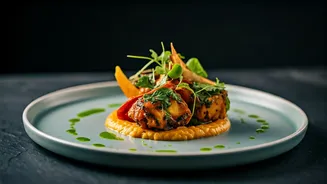
This shift isn’t happening in a vacuum. It’s being driven by a confident new generation of Indian and Indian-American chefs, restaurateurs, and food writers. Figures like Chintan Pandya of New York’s Dhamaka and Meherwan Irani of Chai Pani (which won the James Beard Award for Outstanding Restaurant) have built their reputations on serving what they call “unapologetic” Indian food. This means no dumbing down the spice, no apologizing for pungent, funky, or unfamiliar flavors, and no changing a dish's name to make it sound more palatable. They are cooking the food of their childhoods, the dishes sold on the streets of Mumbai, and the specific recipes from their grandmothers’ kitchens in Hyderabad or Kolkata. They are trusting the American diner to be curious, adventurous, and ready for something more authentic. This confidence is contagious, inspiring a wave of restaurants that proudly label their food as specifically Punjabi, Bengali, or Keralan, rather than generically “Indian.”
From Restaurant Trend to Home Kitchen
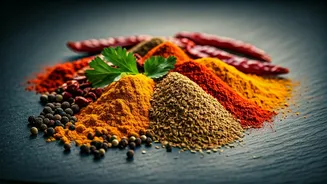
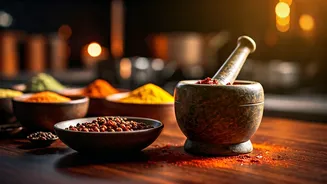
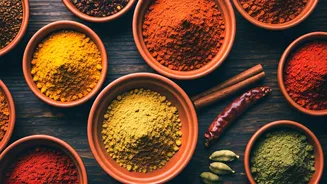
This embrace of bold, regional Indian flavors is filtering down from destination restaurants to the American home. Specialty grocery stores and online retailers now offer a dazzling array of regional spice blends, pickles (*achaar*), and ingredients that were once impossible to find. On Instagram and TikTok, food bloggers and home cooks are sharing recipes for everything from crispy dosas to complex Rajasthani meat dishes, demystifying techniques and empowering people to explore beyond pre-made simmer sauces. This movement is about more than just heat. “Spicy” doesn’t just mean chili; it refers to the complex interplay of dozens of spices—turmeric’s earthiness, coriander’s citrus notes, cardamom’s floral sweetness, and the smoky depth of black cumin. As American palates become more sophisticated, they’re learning to appreciate this complexity, seeking out the nuance and depth that authentic Indian cooking provides.