





The Abode of Clouds
Nestled in the Khasi Hills of the state of Meghalaya—a name that translates to “the abode of clouds”—the town of Sohra, more famously known by its old name, Cherrapunji, holds a near-mythical status for weather watchers. It doesn’t just rain here; the sky
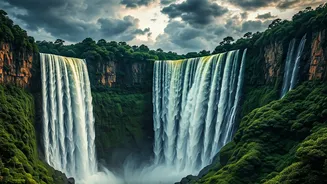
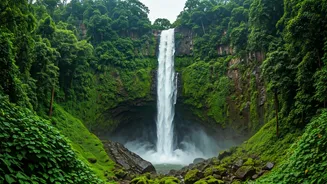
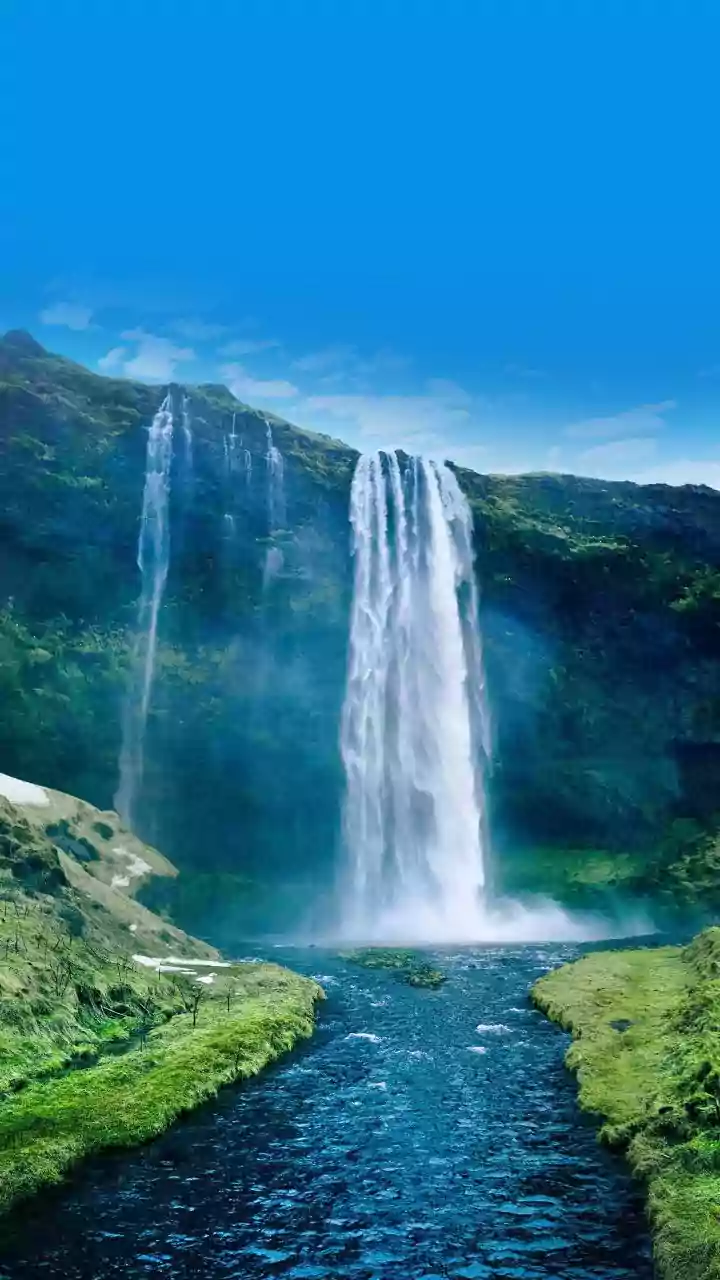
opens up. For months on end during the monsoon season, the region is pummeled by deluges that can drop several feet of rain in a single month. This isn’t a gentle pitter-patter. It’s a full-throated, percussive symphony of water drumming on corrugated roofs, turning roads into shallow streams, and feeding countless waterfalls that plunge dramatically from emerald-green cliffs. For the unprepared, it can feel overwhelming. But for the adventurer, this immense power is precisely the point. The rain is the gatekeeper, the price of admission to a landscape sculpted by its very force.
A Journey Through the Rain
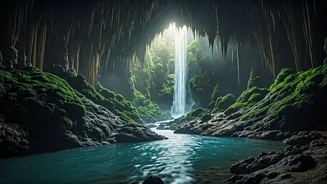
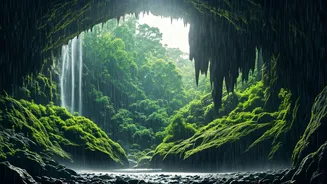
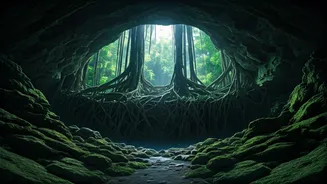
Getting to the caves is an immersion in this water-logged world. The air is thick with mist and the sweet, earthy smell of petrichor is a permanent perfume. Everything is slick, glistening, and impossibly green. Traveling here means accepting you will be damp, but the reward is a landscape of profound and wild beauty. The journey often involves trekking across ingenious living root bridges—structures woven from the aerial roots of rubber fig trees by the Khasi people over generations—that are strong enough to withstand the flash floods that would wash away conventional wooden bridges. As you approach the entrance to a cave system like Mawsmai, one of the most accessible and popular in the area, the roar of the rain is joined by the gurgle of water disappearing into the earth itself. The cave mouth appears as a dark, mysterious void in the jungle, a stark contrast to the vibrant, chaotic world outside.
Inside the Earth's Memory
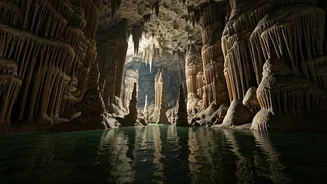
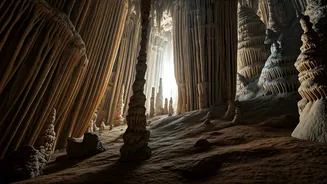
Stepping inside is like entering another dimension. The sound of the torrential downpour instantly muffles, replaced by a cool, echoing silence broken only by the steady drip-drip-drip of water seeping through limestone. Your eyes adjust to the dim light, revealing a cathedral of natural sculpture. This is a world built by water and time. Gleaming stalactites hang from the ceiling like ancient chandeliers, while stout stalagmites rise from the floor to meet them. In some chambers, these formations have merged into massive, fluted columns that look like the pillars of a forgotten temple. The paths can be narrow and slick, requiring you to duck and squeeze through passages that open into surprisingly large caverns. You're not just observing geology; you're moving through it, tracing paths carved out by millennia of relentless drips, feeling the cool, smooth texture of stone that was once seabed.
The Artistry of the Monsoon
It’s here, deep underground, that the true nature of the Cherrapunji rain becomes clear. The downpour you “braved” to get here isn't just weather; it's a creative force. Every single stunning formation in this subterranean labyrinth is a direct result of that water. Rainwater absorbs carbon dioxide from the air and soil, becoming a weak carbonic acid. As this acidic water percolates through the region’s abundant limestone, it dissolves the rock, carrying away microscopic particles of calcite. When the water drips from the ceiling of a cave, it leaves a tiny mineral deposit behind. Over hundreds of thousands of years, drip by drip, these deposits accumulate to create the breathtaking speleothems that fill the caves. The chaotic, life-giving energy of the monsoon outside is perfectly mirrored by the slow, patient, and silent artistry happening within the earth. To see one is to understand the other.